 By admin
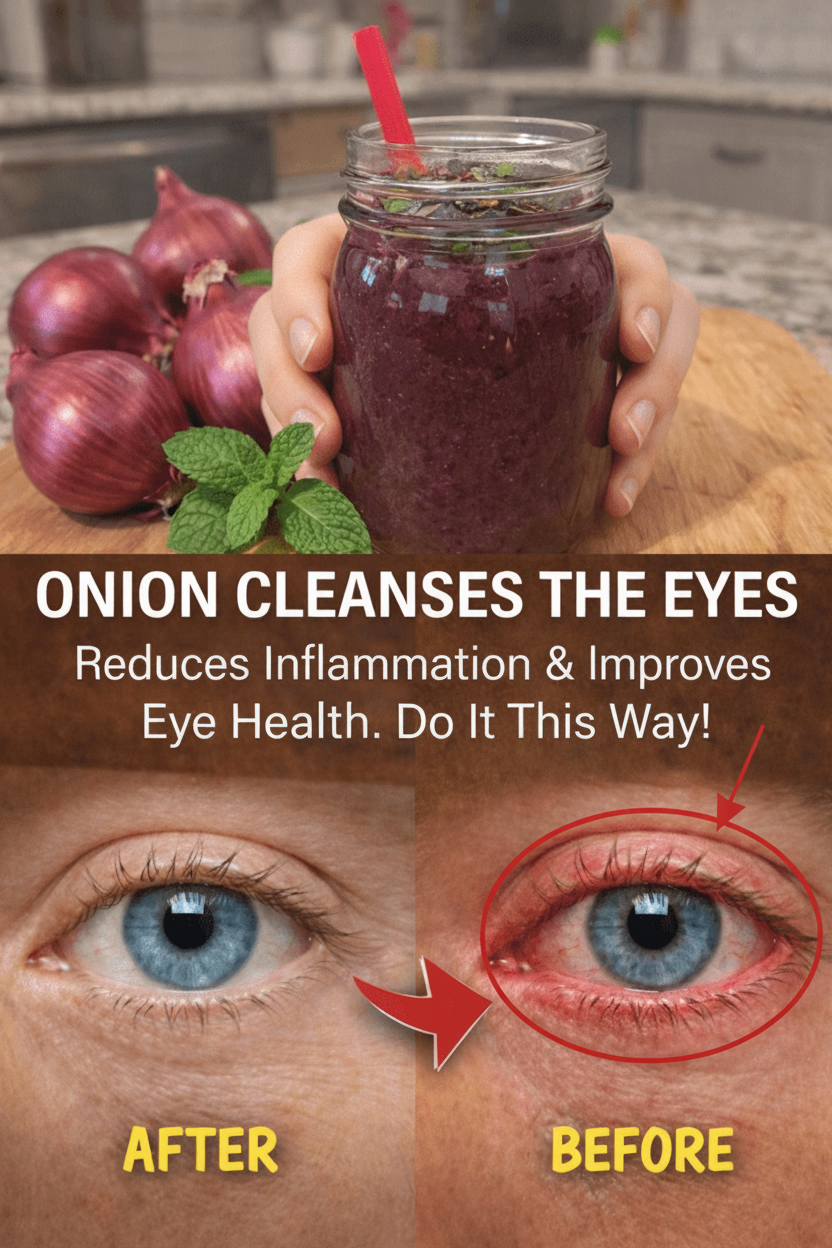
 In the quest for enhanced vision, various home remedies often circulate, including the intriguing yet risky suggestion of applying onion juice directly to the eyes or consuming unproven “special drinks.” It’s crucial to clarify: such viral claims—promising dramatic eye cleansing, redness reduction, or rapid vision improvement in mere days—lack robust human scientific backing and can be dangerously misleading. The direct application of raw onion juice to the eyes is highly discouraged by experts and studies alike. Its potent sulfur compounds, responsible for those familiar tears when chopping, can cause severe irritation, burning, and significantly increase the risk of serious eye infections or permanent damage.
However, this doesn’t mean onions are devoid of eye health benefits. When incorporated safely into a balanced diet, this versatile vegetable shines as a nutritional powerhouse. Onions are rich in beneficial compounds like quercetin, a potent flavonoid, and unique sulfur compounds. These elements contribute to general eye wellness by supporting the body’s natural antioxidant defenses, helping to combat oxidative stress, and potentially mitigating mild inflammation within ocular tissues. While most supporting research comes from animal studies and laboratory work, findings suggest that onion compounds may play a role in protecting lens cells and corneal health, with quercetin specifically showing promise in reducing inflammation and indirectly supporting healthy tear function. This highlights a crucial distinction: onions offer valuable dietary support for maintaining healthy eyesight, but their use must be strictly internal, not external.
Can Integrating Onions into Your Diet Enhance Eye Wellness?
As we navigate an increasingly digital world and the natural aging process, many individuals experience common eye concerns such as digital eye strain, dryness, and general visual fatigue. While no single food can miraculously “fix” vision or cure eye conditions, a diet rich in antioxidants offers significant protective benefits. Incorporating nutrient-dense vegetables like onions can naturally contribute to overall eye comfort, bolster defenses against daily environmental stressors, and support long-term ocular health.
Key Nutritional Components in Onions for Vision Support
Onions, particularly the vibrant red varieties, are packed with a synergistic blend of compounds known for their potential benefits to eye health:
- Quercetin: This powerful flavonoid is renowned for its robust antioxidant and anti-inflammatory capabilities. Scientific investigations suggest quercetin may be instrumental in safeguarding delicate eye tissues from the detrimental effects of oxidative damage and promoting balanced inflammatory responses within the ocular system.
- Sulfur Compounds: These unique compounds play a vital role in the body’s production of glutathione, often referred to as the “master antioxidant.” Glutathione is crucial for maintaining the structural integrity and optimal function of the eye’s lens and retina, essential components for clear vision.
- Other Essential Nutrients: Beyond quercetin and sulfur, onions provide valuable contributions of vitamin C, a key antioxidant supporting collagen formation in eye structures, and trace amounts of selenium, which further assists in preserving the integrity of eye cells.
While research, primarily from animal models and comprehensive nutritional reviews, highlights potential advantages such as improved tear film stability and a reduction in indicators of ocular stress, it’s important to manage expectations. These findings suggest supportive roles rather than direct guarantees of vision improvement, and large-scale human clinical trials are still limited. The true long-term value for eye health stems from consistent, safe dietary practices, not from seeking quick fixes or unverified extreme remedies.
Practical Tips for Incorporating Onions into Your Diet for Eye Health
To harness the potential vision-supporting benefits of onions, the focus should always be on regular dietary consumption, steering clear of topical applications or unproven concoctions. Here’s a straightforward guide to effectively integrate onions into your daily meals:
- Opt for Red Varieties: Red onions generally boast higher concentrations of beneficial quercetin compared to their white or yellow counterparts, making them an excellent choice for maximizing antioxidant intake.
- Enjoy Raw or Lightly Cooked: To preserve the maximum potency of their delicate compounds, integrate onions into your diet raw—think salads, fresh salsas, or as a crisp topping for various dishes. If cooking, opt for light sautéing or steaming to minimize nutrient loss.
- Pair with Healthy Fats: Enhance the bioavailability and absorption of fat-soluble nutrients by combining onions with healthy fats like extra virgin olive oil, avocado, or nuts.
- Gradual Introduction for Sensitivity: Raw onions can possess a strong, pungent flavor. If you find them overwhelming, start by incorporating smaller amounts or begin with cooked versions, gradually increasing your intake as your palate adjusts.
Recipe: A Nourishing Onion-Infused Smoothie for Eye Wellness
Inspired by the concept of incorporating onions for health but engineered for safety and efficacy, this delicious and nutrient-dense smoothie focuses on internal consumption to deliver eye-friendly compounds without any risks associated with topical application. This recipe serves 1-2.
Ingredients:
- 1 small red onion (peeled and roughly chopped – consider starting with half if you’re new to raw onion in smoothies)
- 1 cup mixed berries (blueberries, strawberries, or raspberries are excellent for their additional antioxidant content)
- 1 handful fresh mint leaves (for a refreshing flavor and added antioxidants)
- 1 medium apple or carrot (for natural sweetness and extra vitamins)
- Juice of 1/2 lemon (adds brightness and vitamin C)
- 1 cup water or your preferred plant-based milk (almond, oat, or soy)
- Optional: A few spinach leaves (to boost lutein and zeaxanthin content, crucial for macular health)
Instructions:
- Combine all listed ingredients into a high-speed blender.
- Blend thoroughly until the mixture is completely smooth and creamy.
- If you prefer a thinner consistency or wish to remove any pulp, strain the smoothie through a fine-mesh sieve.
- Serve immediately and enjoy fresh, ideally as part of your morning routine.
- For optimal results, aim to consume this smoothie consistently for 4-5 days as a trial, always alongside a comprehensive, balanced diet. This approach provides a gentle yet effective influx of quercetin and other vital eye-friendly nutrients, safely supporting your visual health.
Complementing Onions: A Holistic Approach to Optimal Eye Health
While onions offer valuable support, maximizing your ocular health benefits involves a broader, holistic dietary strategy. Integrate onions alongside these other scientifically-backed foods and healthy habits known to bolster vision and protect your eyes:
- Leafy Green Vegetables (e.g., Spinach, Kale): These are powerhouses of lutein and zeaxanthin, two carotenoids essential for macular protection and filtering harmful blue light.
- Fatty Fish (e.g., Salmon, Mackerel, Sardines): Abundant in Omega-3 fatty acids, particularly DHA, which are crucial for maintaining retinal health and alleviating symptoms of dry eye syndrome.
- Citrus Fruits (e.g., Oranges, Grapefruits): Excellent sources of Vitamin C, a vital antioxidant that supports the health of blood vessels in the eyes and contributes to the formation of collagen, a structural protein in ocular tissues.
- Nuts and Seeds (e.g., Almonds, Sunflower Seeds): Rich in Vitamin E, another potent antioxidant that acts as a protective shield against oxidative damage to eye cells, potentially reducing the risk of age-related macular degeneration and cataracts.
Nutrient Spotlight: A Quick Comparison of Vision-Supporting Foods
| Food Item | Primary Beneficial Compounds | Key Potential Eye Benefits | Recommended Usage |
|---|---|---|---|
| Red Onion | Quercetin, Sulfur Compounds | Potent antioxidant support, aids in managing inflammation, supports overall eye cell health. | Incorporated raw into salads, salsas, or blended into smoothies. |
| Blueberries | Anthocyanins | Protects the retina from oxidative stress, enhances night vision, supports capillary health. | Enjoyed fresh, added to yogurts, cereals, or blended into smoothies. |
| Spinach | Lutein, Zeaxanthin | Acts as a natural filter against harmful blue light, crucial for macular health and reducing glare sensitivity. | Excellent in salads, sautéed as a side dish, or added to smoothies. |
| Salmon | Omega-3 Fatty Acids (DHA, EPA) | Significantly reduces symptoms of dry eye syndrome, supports retinal integrity, and overall visual function. | Best grilled, baked, or pan-seared; aim for wild-caught varieties. |
| Almonds | Vitamin E | Powerful antioxidant, protects eye cells from free radical damage, may lower risk of age-related eye diseases. | As a snack, added to oatmeal, or in homemade trail mixes. |
Final Thoughts on Enhancing Your Eye Health Naturally
In conclusion, while the allure of quick fixes for vision improvement can be strong, it’s vital to rely on evidence-based practices. Directly applying onion juice to your eyes is not only ineffective but poses serious health risks. Instead, embrace the culinary power of onions! Incorporating this flavorful and nutrient-rich vegetable into your regular diet is a simple, effective, and safe strategy to bolster your overall eye health. By leveraging the antioxidant and anti-inflammatory properties of compounds like quercetin and sulfur, you can actively support your vision and protect against daily stressors.
Remember, optimal eye health is a marathon, not a sprint. It’s best achieved through a holistic approach that includes a diverse, balanced diet rich in various eye-friendly nutrients, combined with healthy lifestyle habits