 By admin
 If you’re managing high blood pressure or chest pain with amlodipine, you’re likely already mindful of your health habits. However, a crucial aspect often overlooked is how certain everyday foods can significantly impact your medication’s effectiveness or even intensify common side effects such as dizziness, swollen ankles, or facial flushing. It can be disheartening when simple dietary choices disrupt your routine and leave you feeling unwell. The good news is that making small, informed adjustments to your diet can greatly enhance your comfort and support your overall treatment plan. Continue reading, as we’ll delve into practical strategies for identifying potential dietary culprits in your daily meals.
Understanding Amlodipine: Why Food Choices Matter
Amlodipine is a vital medication belonging to the class known as calcium channel blockers. Its primary function is to relax and widen blood vessels, thereby improving blood flow and effectively lowering blood pressure. Emerging research indicates that specific foods can interfere with how your body processes this medication or introduce additional physiological strain. For example, some dietary items can slow down the metabolic breakdown of amlodipine, potentially leading to higher concentrations of the drug remaining in your bloodstream over time. Health authorities, including the NHS, emphasize that consuming particular foods in large quantities can increase the likelihood of experiencing more pronounced effects. Crucially, most of these interactions are manageable through informed moderation and awareness. Let’s explore the primary foods to monitor.
1. Grapefruit and Grapefruit Juice
This interaction is arguably the most recognized for a valid reason. Grapefruit contains furanocoumarins, compounds that specifically inhibit an enzyme called CYP3A4, located in your gut and liver. This enzyme is critical for metabolizing numerous medications, including amlodipine. When CYP3A4 is inhibited, less amlodipine is broken down, causing more of the drug to enter and remain in your system for extended periods. Reputable sources like the NHS and Healthline confirm that significant consumption of grapefruit or its juice can amplify amlodipine’s effects, potentially leading to increased lightheadedness or more frequent headaches.
What to do instead: Opt for safe alternatives like oranges, apples, or other citrus fruits that do not pose this interaction risk. If you enjoy tart flavors, always scrutinize juice labels to ensure they don’t contain grapefruit blends. Even minimal amounts can impact some individuals more than others, so it’s always wise to consult your doctor if you notice any changes after consuming grapefruit.
2. Black Licorice (and Products Containing Licorice Root)
Black licorice, despite its seemingly innocuous nature, harbors glycyrrhizin. This compound can trigger your body to retain sodium and water while simultaneously depleting potassium levels. Such electrolyte imbalances can counteract the blood pressure-lowering benefits of amlodipine or exacerbate existing issues. Medical resources, including Drugs.com, highlight licorice’s potential to disrupt effective blood pressure management. This concern extends beyond just candy; be vigilant for licorice root in herbal teas, dietary supplements, and even certain throat lozenges.
Practical tip: If you’re craving a chewy treat, switch to red licorice (which typically doesn’t contain glycyrrhizin) or other non-licorice confectioneries. Always read ingredient lists carefully, as “licorice flavor” can sometimes denote artificial additives without the problematic compound.
3. High-Sodium Foods (e.g., Processed Snacks, Canned Soups, Fast Food)
Amlodipine functions most effectively when complemented by a heart-healthy, low-sodium diet. Excessive sodium intake promotes fluid retention, which can intensify common amlodipine side effects like swelling in the legs or ankles. Organizations such as the American Heart Association strongly advocate for controlling sodium intake to optimize blood pressure regulation.
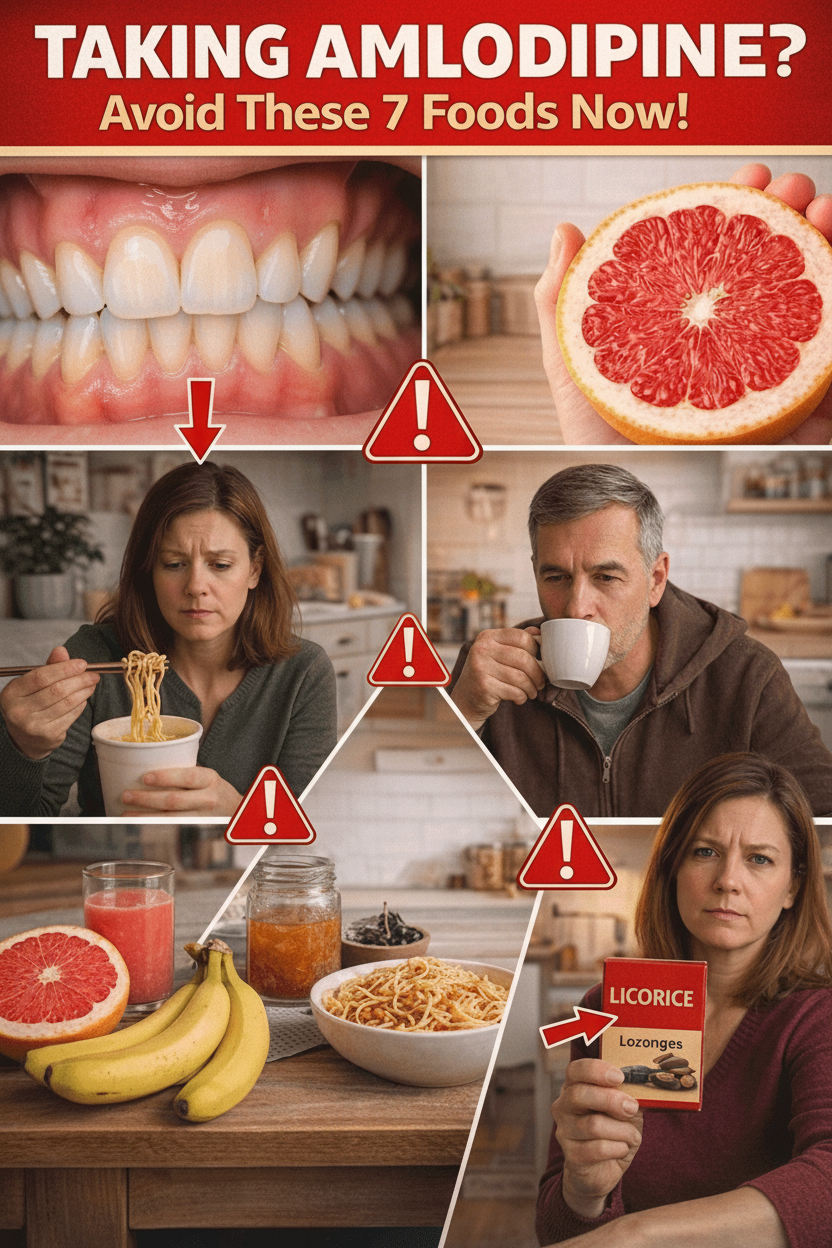
Easy swaps: Prioritize fresh vegetables over canned alternatives (and rinse canned goods thoroughly if used). Enhance meal flavors with natural herbs, spices, lemon juice, or garlic instead of relying on salt. Aim for a daily sodium intake below 2,300 mg, or even less if specifically advised by your physician.
4. Excessive Caffeine (Coffee, Energy Drinks, Strong Tea)
While caffeine isn’t a direct antagonist to amlodipine, high consumption can sometimes contribute to feelings of nervousness, restlessness, or alter your body’s response to blood pressure fluctuations. Some individuals report experiencing increased flushing or more frequent headaches when combining significant caffeine intake with their medication. Moderate caffeine consumption is generally considered acceptable, but if you observe your heart racing more noticeably after your morning coffee, it might be beneficial to slightly reduce your intake.
What works better: Limit your daily coffee or tea consumption to 1–2 cups. Herbal infusions like chamomile or peppermint can provide a soothing, caffeine-free alternative.
5. Alcohol in Large Amounts
Consuming alcohol, particularly in large quantities, can intensify amlodipine’s blood pressure-lowering effects. This can lead to symptoms such as dizziness or lightheadedness, especially when changing positions rapidly. Many health guidelines recommend limiting alcohol intake to moderate levels (typically one drink per day for women and two for men) or discussing personalized recommendations with your healthcare provider.
Smart approach: If you choose to drink, alternate alcoholic beverages with water and consume a small meal beforehand to help slow alcohol absorption.
6. Excessive Potassium from Supplements (and Specific Conditions)
While potassium is generally a beneficial mineral