 By admin
 Navigating the demands of modern life often brings with it various common health concerns. You might experience occasional joint discomfort after physical activity, notice mild swelling in your lower limbs after extended periods of standing, or perhaps you’re monitoring fluctuating blood pressure and cholesterol levels, alongside battling periodic energy slumps. Such issues can subtly diminish your quality of life, making daily tasks feel more arduous and impacting your overall sense of well-being over time. Fortunately, integrating wholesome, nutrient-dense foods into your regular diet can provide significant, gentle support for key areas like cardiovascular health, robust circulation, and sustained vitality. Among these beneficial options, one humble yet remarkably versatile vegetable, chayote squash, truly shines due to its naturally low-calorie content and its rich bounty of essential vitamins, minerals, and potent antioxidants. This article delves into the impressive ways chayote squash can seamlessly integrate into a balanced lifestyle, and we’ll also reveal a simple, delightful method for enjoying this refreshing produce that many find highly appealing.
The Nutritional Powerhouse: Why Chayote Squash Stands Out
Chayote squash, recognized by various names such as mirliton or chow chow, is a subtly flavored vegetable belonging to the gourd family. Despite its modest taste, it boasts an impressive nutritional profile. A single medium chayote contains approximately 39 calories, making it an excellent choice for calorie-conscious diets, while still supplying a substantial amount of vital nutrients. Notably, it is an exceptional source of folate, offering around 47% of the recommended daily value in just one squash. Folate is crucial for healthy cell development and is particularly indispensable during pregnancy. Furthermore, chayote provides a good supply of vitamin C, potassium, dietary fiber, and a spectrum of antioxidants, including myricetin and various flavonoids. Extensive research, supported by reputable health platforms like Healthline and WebMD, underscores how these compounds collectively contribute to holistic wellness. For example, potassium is instrumental in maintaining the body’s delicate electrolyte balance, while its rich fiber content not only promotes healthy digestion but also plays a significant role in fostering heart-friendly dietary practices. However, its benefits extend even further; let’s delve deeper into how these components align with prevalent health objectives.
Chayote’s Role in Promoting Cardiovascular Wellness and Healthy Blood Pressure
For a vast majority of adults, maintaining optimal heart health is a paramount concern. Chayote squash offers notable advantages in this regard, primarily due to its significant potassium content. This essential mineral is known for its ability to naturally assist the body in regulating blood pressure, effectively counteracting the effects of sodium. Emerging research, including both animal and preliminary human studies, indicates that the unique phytochemicals present in chayote may enhance blood flow and contribute to the maintenance of balanced blood pressure. A comprehensive review published in 2021 further highlighted the presence of potent antioxidants within chayote that actively support robust cardiovascular function, though further extensive human trials are still encouraged to solidify these findings. Moreover, the dietary fiber found in chayote plays a crucial supportive role. Numerous population studies consistently link a higher intake of fiber-rich foods, such as chayote, to a reduced risk of developing various heart disease risk factors. Key nutritional components that bolster heart health include:
- Potassium: Essential for mitigating the adverse effects of sodium on blood pressure.
- Dietary Fiber: Instrumental in assisting with the management of healthy cholesterol levels.
- Antioxidants: Provide critical protection against cellular damage caused by oxidative stress.
Therefore, making chayote a consistent part of your dietary regimen can be an accessible and effective strategy for fostering healthy circulation and overall cardiovascular well-being.
Optimizing Cholesterol Levels and Enhancing Circulation with Chayote
Effective cholesterol management is fundamentally linked to making judicious dietary choices, particularly those that prioritize whole, unprocessed foods. Chayote squash is noteworthy for its unique compounds, such as myricetin, which animal studies have indicated may contribute to lowering cholesterol levels. Further investigations suggest that chayote’s rich content of dietary fiber and flavonoids actively supports healthy lipid profiles, primarily by facilitating efficient metabolism and significantly reducing oxidative stress within the body. In real-world clinical observations involving older adults grappling with metabolic challenges, consistent consumption of chayote has been associated with favorable improvements in HDL (often referred to as “good”) cholesterol levels. Furthermore, robust circulation is intrinsically connected to these benefits; optimized blood flow, stemming from balanced blood pressure and diminished inflammation, profoundly contributes to sustained energy levels and enhanced comfort during everyday physical activities. To illustrate its distinct advantages, here’s a concise comparison of chayote with some other popular vegetables:
Chayote: A low-calorie marvel, rich in folate, packed with potassium, and abundant in fiber.
Cucumber: Excellent for hydration and low in calories, yet offers less folate compared to chayote.
Zucchini: Shares a similar mild flavor profile, but chayote frequently surpasses it in the concentration of specific beneficial antioxidants.
Consequently, chayote emerges as a superior choice for delivering exceptional nutrient density without adding superfluous calories to your diet.
Enhancing Daily Comfort and Sustaining Energy with Chayote
Achieving greater joint comfort and experiencing a reduction in swelling in the feet or legs can significantly enhance both mobility and overall quality of life. While it’s important to note that no single food can entirely eradicate discomfort, the potent anti-inflammatory antioxidants and hydration-promoting attributes of chayote may play a valuable role in fostering general well-being. Moreover, the presence of folate and trace amounts of iron within chayote (complemented by vitamin C, which boosts iron absorption) are vital for supporting healthy energy levels and robust red blood cell formation. This can be particularly beneficial in addressing mild fatigue or concerns related to anemia when chayote is integrated into a diverse and balanced diet. Furthermore, both animal and cell-based studies have consistently demonstrated chayote’s protective effects against oxidative damage, a cellular process that naturally accumulates with aging and is exacerbated by various forms of stress.
Effortless Ways to Incorporate Chayote into Your Daily Diet
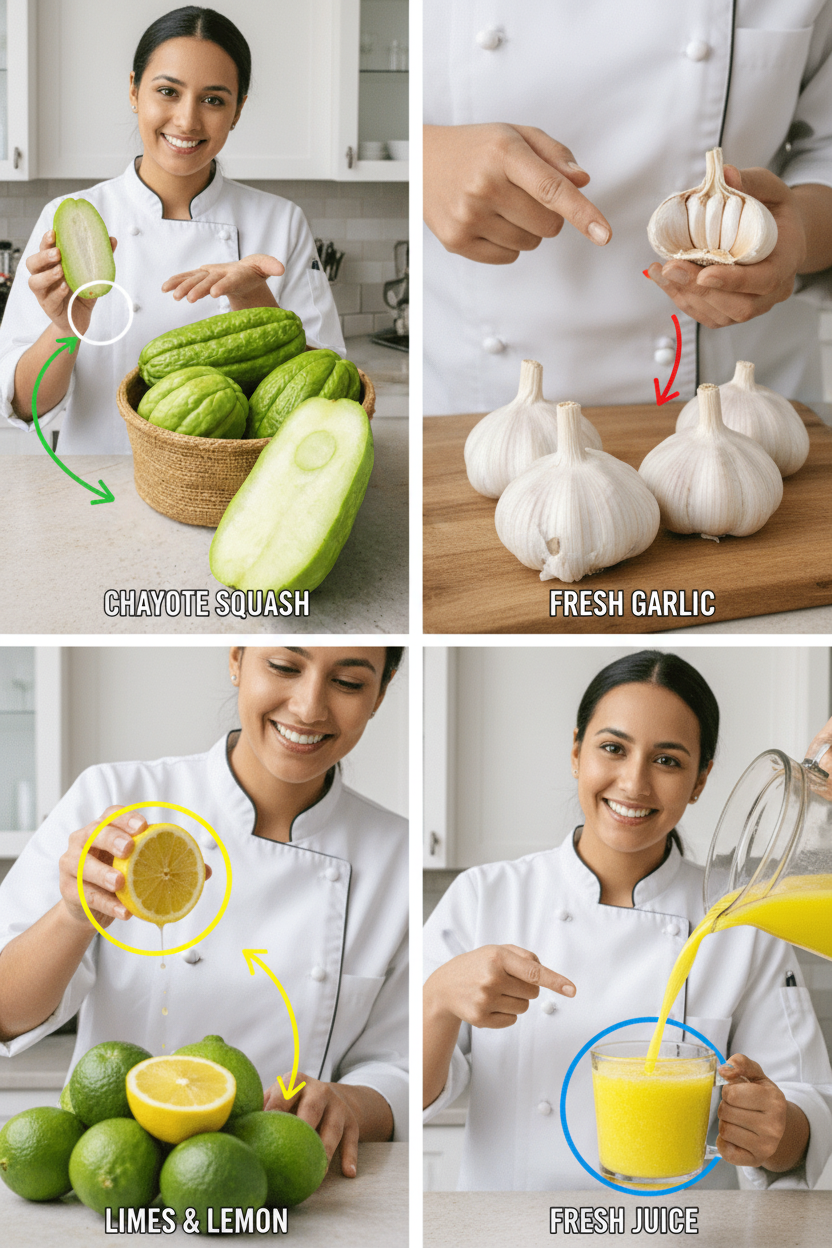
Chayote is remarkably versatile in the kitchen, making it easy to integrate into a wide array of dishes. You can enjoy it raw in salads, lightly steamed as a side dish, stir-fried with other vegetables, or as a hearty addition to soups and stews. Many also appreciate it in juice form, offering a convenient and rapid nutrient boost.
Step-by-step Chayote Juice Recipe (serves 2-3):
- Thoroughly wash 2-3 medium chayote squash. While the skin is edible and nutrient-rich, you may peel it if you prefer a smoother texture.
- Chop the washed chayote into manageable chunks.
- Place the chayote chunks into a blender along with 1-2 cups of fresh water.
- Blend until the mixture is completely smooth and uniform.
- For a pulp-free beverage, strain the juice through a fine-mesh sieve or cheesecloth.
- Serve immediately and enjoy the refreshing taste and nutritional benefits!