 By admin
 Many individuals experience the frustrating cycle of waking up multiple times during the night to use the bathroom. This frequent nighttime urination, medically termed nocturia, can severely disrupt restorative sleep, leading to exhaustion and reduced productivity the following day. While it might seem like a simple issue, nocturia often stems from a combination of daily habits, how your body manages fluids, and sometimes underlying health conditions.
The good news is that by understanding the common causes and implementing strategic lifestyle adjustments, many people can significantly reduce the frequency of their nocturnal bathroom trips. One often-overlooked aspect is how fluids redistribute within the body when you lie down. Uncovering these intricate connections can truly transform your nightly routine and improve your sleep quality.
What Nocturia Truly Signifies
Nocturia is clinically defined as waking up one or more times during your sleep period specifically to urinate. Research indicates it’s a widespread condition, with its prevalence increasing with age, and it has a profound impact on overall sleep quality. The issue isn’t always exclusively related to the bladder itself; sometimes it involves the volume of urine the body produces overnight or the bladder’s capacity to hold urine before signaling the need to empty.
Common patterns observed in individuals experiencing nocturia include:
- An unusually high volume of urine produced during nighttime hours.
- A reduced bladder capacity, meaning the bladder signals the need to void at lower volumes.
- A combination of both these factors, potentially alongside other contributing influences.
Key Factors Contributing to Nighttime Urination
A variety of everyday habits and health-related conditions can contribute to the onset of nocturia. Insights from reputable sources like the Cleveland Clinic and the Urology Care Foundation highlight several primary causes.
Fluid Consumption Habits
Consuming large quantities of liquids, especially close to bedtime, naturally increases the amount of urine your kidneys produce throughout the night. Furthermore, beverages containing caffeine (such as coffee, tea, and many sodas) or alcohol act as diuretics. These substances stimulate the kidneys to produce more urine, accelerating the need to visit the bathroom.
Leg Swelling and Fluid Redistribution
Throughout the day, particularly if you spend extended periods standing or sitting, gravity can cause fluid to accumulate in your lower legs and ankles. This phenomenon is known as peripheral edema. When you recline or lie down at night, this pooled fluid gradually re-enters your bloodstream. Your kidneys then process this increased fluid volume as excess, leading to heightened urine production and the consequent need for those disruptive middle-of-the-night trips. Studies, including those utilizing bioelectric impedance analysis, have demonstrated a clear correlation between leg swelling and an elevated nocturnal urine output.
Other Lifestyle and Health Influences
Certain medications, such as diuretics prescribed for blood pressure management, can exacerbate nocturia if taken later in the day. Various medical conditions also play a role, including uncontrolled diabetes, specific heart conditions, or sleep apnea, all of which can affect the body’s fluid balance or disrupt normal sleep architecture. Additionally, a diet high in sodium can lead to significant fluid retention throughout the day, which then shifts and is processed by the kidneys during the night.
Sleep-Related Dynamics
Beyond the physiological causes, fragmented sleep from other sources – be it insomnia, restless leg syndrome, or chronic pain – can make you more acutely aware of even a mildly full bladder. What might normally be a minor urge becomes a potent wake-up call when your sleep is already light or disturbed.
The Unexpected Role of Fluid Dynamics
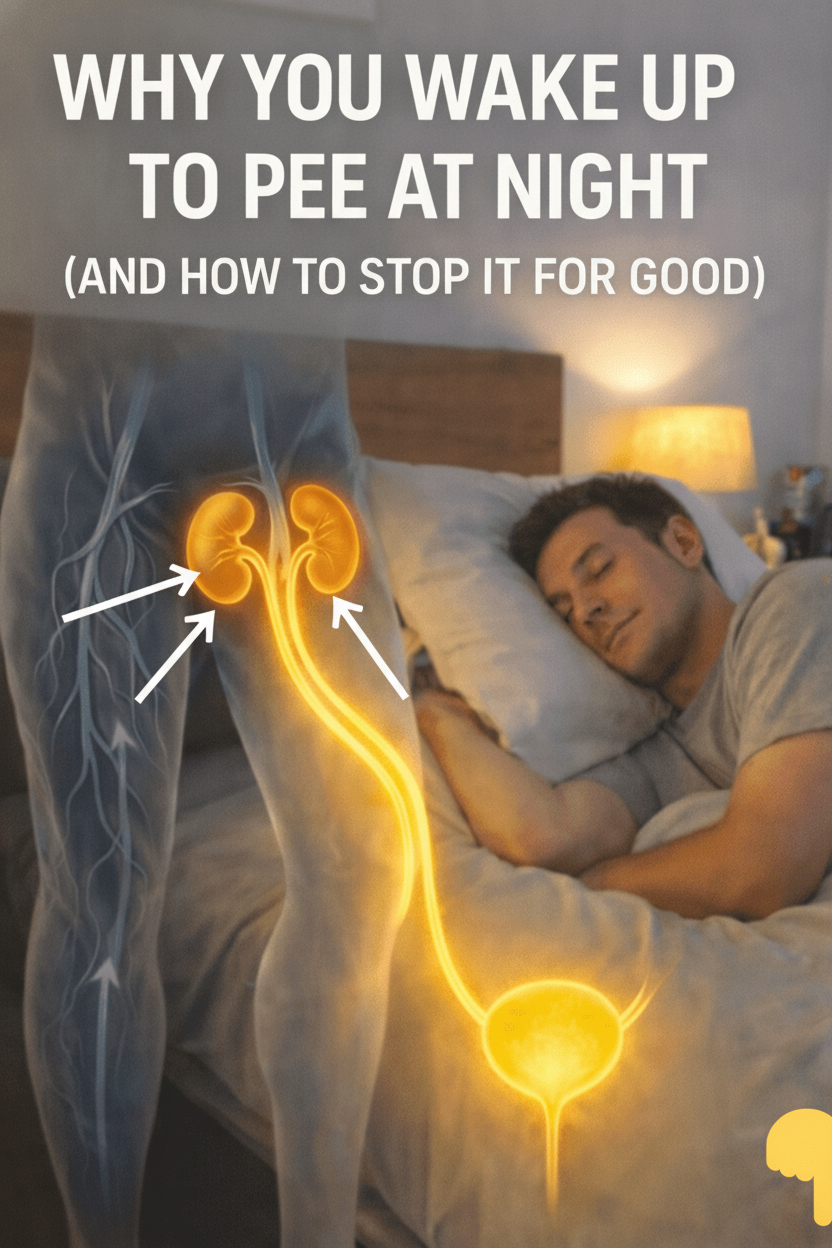
Here’s where the connection becomes particularly interesting: your legs often play a more significant role in your nighttime bathroom trips than you might realize. When you’re upright for most of the day, gravity naturally encourages fluid to settle in your lower extremities. Once you transition to a horizontal position for sleep, that accumulated fluid is no longer held down by gravity and begins to redistribute throughout your body.
Your body perceives this influx of fluid into the central circulation as an excess volume, prompting your kidneys to produce more urine in an effort to restore balance. This mechanism largely explains why some individuals notice swelling in their ankles or feet by evening, only to find themselves repeatedly waking to urinate hours later. Effectively managing this daytime fluid pooling can be key to mitigating the overnight surge in urine production.
Practical Strategies for Reducing Nighttime Urination
Many individuals experience significant improvement in nocturia by adopting relatively simple lifestyle adjustments. These evidence-based recommendations, often endorsed by urology specialists, focus on optimizing fluid management and enhancing overall sleep quality.
1. Optimize Your Fluid Intake Timing
Concentrate the majority of your daily fluid consumption earlier in the day. Make a conscious effort to significantly reduce your fluid intake approximately 2 to 4 hours before your usual bedtime. It’s crucial to remain adequately hydrated overall, but strategically shift the bulk of your water consumption to the morning and afternoon.
2. Limit Diuretic Beverages in the Evening
Cut back on or completely avoid caffeinated and alcoholic beverages after mid-afternoon. Both caffeine and alcohol are known diuretics, meaning they actively increase urine production for several hours after consumption, making them prime culprits for nighttime awakenings.
3. Manage Leg Fluid Buildup
If you experience leg swelling, take steps to reduce fluid pooling during the day. Elevate your legs above heart level for 30 to 60 minutes in the late afternoon or early evening; a recliner or a stack of pillows can facilitate this. For persistent or noticeable swelling, consider wearing compression stockings during the day, as they help prevent excessive fluid accumulation in the lower extremities.
4. Be Mindful of Sodium and Evening Meals
Reduce your consumption of high-sodium foods, especially in your evening meals, as excessive sodium intake promotes fluid retention throughout the day. Opting for a lower-sodium evening meal can help limit the internal fluid shifts that occur overnight and contribute to increased urine output.
5. Support Healthier Bladder Habits
Ensure your bladder is completely empty before you go to bed. Some find “double voiding” helpful: urinate, wait a few minutes, then try to urinate again. Additionally, maintaining a consistent sleep schedule – going to bed and waking up at the same time daily – can significantly improve your overall sleep quality, making you less susceptible to minor bladder signals.
Here are quick tips for easy reference:
- Hydrate primarily in the morning and early afternoon.
- Avoid caffeine and alcohol several hours before bed.
- Elevate legs in the evening if you have swelling.
- Consider compression stockings during the day.
- Reduce salty foods, especially at dinner.
- Empty your bladder thoroughly before sleep (consider double voiding).
- Maintain a consistent sleep schedule.
”
}
“`