 By admin
 Restoring Hearing Clarity: Understanding Muffled Hearing and Gentle Home Care Solutions
Experiencing muffled hearing can be a frustrating and disruptive sensation, often making everyday sounds seem distant or unclear. While various factors can contribute to this common auditory issue, understanding its origins is the first step toward finding relief. This comprehensive guide explores the primary causes of muffled hearing, from the most common and easily manageable to those requiring professional attention, emphasizing gentle care strategies.
The Primary Culprit: Excessive Earwax Buildup
Earwax, or cerumen, is a natural and essential bodily secretion designed to protect the delicate ear canal. It acts as a natural barrier, trapping dust, dirt, and microorganisms, thereby preventing infections and maintaining ear health. However, when cerumen production becomes excessive or its natural expulsion process is hindered, it can accumulate, leading to a blocked sensation and significantly impaired hearing clarity.
Evidence from medical literature, such as research highlighted in the Journal of Laryngology and Otology, consistently indicates that softening agents can be highly effective in managing and facilitating the removal of problematic earwax accumulation. Beyond earwax, other contributors to muffled hearing can include age-related auditory changes, prolonged exposure to high decibel levels, or minor inflammatory responses linked to common illnesses like colds. Yet, for many, addressing earwax buildup through simple, non-invasive softening routines represents the most accessible and often effective initial approach.
Embracing Gentle Ear Care for Optimal Auditory Wellness
Prioritizing gentle ear hygiene is fundamental for sustaining overall auditory health without resorting to aggressive or potentially harmful methods. Traditionally, warm oil applications have been utilized to lubricate and soften earwax, potentially assisting the body’s intrinsic clearing mechanisms. Scientific observations suggest that natural oils, such as olive oil, can effectively soften cerumen, making it easier for the ear to naturally expel it over time. This approach is frequently favored due to its straightforward nature and minimal associated risks when performed correctly.
Here’s why incorporating gentle ear care is so appealing:
- It’s an economical solution, often utilizing common household items.
- No specialized equipment is required beyond a simple dropper.
- Can be seamlessly integrated into a relaxing personal wellness regimen.
Exploring the Traditional Efficacy of an Olive Oil and Garlic Infusion
A widely recognized folk remedy involves infusing olive oil with garlic, leveraging garlic’s inherent compounds, notably allicin, which are traditionally valued for their mild antimicrobial properties in herbal practices. This particular blend frequently appears in discussions about natural wellness as a soothing option for minor ear discomfort, particularly that associated with cerumen accumulation or dryness. While it is crucial to understand that this is not a substitute for medical treatment, it garners praise for its gentle approach in promoting ear comfort.
Key Potential Advantages (Rooted in Traditional Use and General Research):
- Olive oil: Functions as a natural emollient and lubricant, aiding in the softening of hardened earwax.
- Garlic: Contributes a subtle antimicrobial element, as recognized in various herbal traditions.
- Warm application: May induce a sense of relaxation and comfort around the affected ear area.
Important Safety Note: Always prioritize your health and safety. Should you experience persistent ear issues, pain, or any concerning symptoms, it is imperative to consult a qualified healthcare professional immediately.
Step-by-Step Guide: Crafting and Applying a Simple Ear Oil Blend at Home
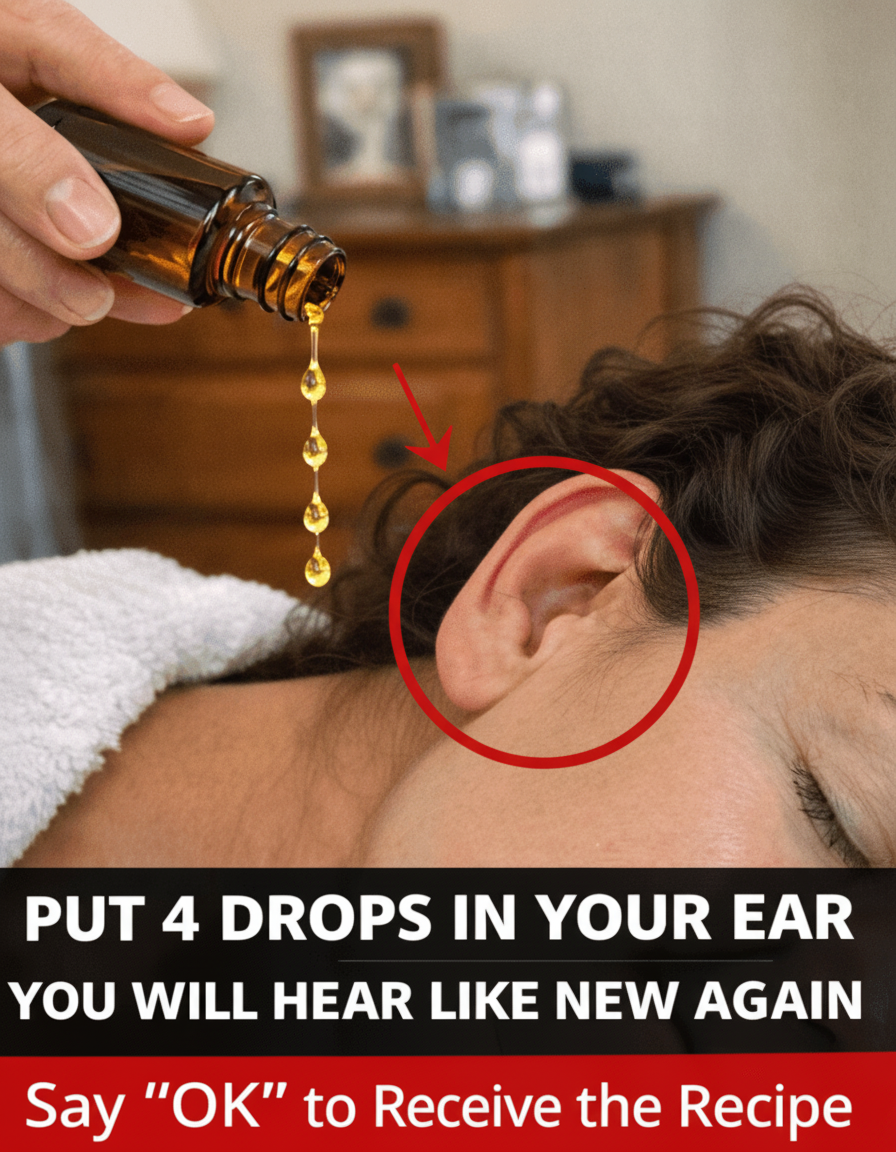
This section provides clear instructions for preparing and using a basic infused oil blend in the comfort of your home. This information is intended solely for general ear maintenance and educational purposes.
Ingredients (for a small batch):
- 2-3 fresh, organic garlic cloves
- 1/4 cup (approximately 60 ml) high-quality extra virgin olive oil
- Optional: A small piece of clean cotton or cloth for covering
Preparation Procedure:
- Carefully peel and gently crush the garlic cloves to help release their beneficial compounds. Avoid over-mashing.
- Place the crushed garlic into a small saucepan along with the measured olive oil.
- Heat the mixture very gently over exceptionally low heat for 20-30 minutes, stirring occasionally. It is critical not to allow the oil to boil or smoke, as maintaining a low temperature preserves its therapeutic qualities.
- Remove the pan from the heat source and allow the oil to cool completely to room temperature.
- Strain the infused oil through a fine-mesh sieve or cheesecloth to ensure all garlic particles are removed.
- Transfer the prepared oil into a clean glass bottle or jar and store it in a cool, dark location. For optimal freshness and efficacy, use the blend within 1-2 weeks.
Application Method:
- Position yourself by lying on your side with the ear requiring treatment facing upwards.
- Gently warm a small quantity of the oil to body temperature. Always test the temperature on your wrist to ensure it is not too hot.
- Using a clean dropper, carefully administer 2-4 drops of the oil into the ear canal.
- Lightly massage the area surrounding the ear for approximately one minute.
- Remain in the lying position for 5-10 minutes to allow the oil to fully penetrate and settle.
- Gently tilt your head to the side to facilitate the drainage of any excess oil onto a tissue.
- If desired, repeat the entire process for the other ear.
Utilize this method once daily or as part of a short-term routine. Discontinue use immediately if any irritation or discomfort arises. Many individuals report experiencing a notable sense of relief and enhanced auditory perception after consistent, gentle application over several days or weeks. However, combining this with other healthy habits can further amplify positive outcomes.
Complementary Habits for Enhanced Hearing Clarity
Beyond the application of ear oil blends, integrating these simple practices can significantly support your overall hearing health:
- Stay Adequately Hydrated: Maintaining proper hydration helps keep all bodily fluids balanced, including those vital for ear function.
- Avoid Inserting Objects: Refrain from using cotton swabs or any other objects inside the ear canal, as this can inadvertently push earwax deeper and potentially cause damage.
- Employ Ear Protection: Always use protective earplugs or earmuffs when exposed to excessively loud environments.
- Manage Pressure Changes: Chewing gum or yawning can effectively equalize pressure during flights, elevation changes, or diving.
- Keep Ears Dry: Ensure your ears are thoroughly dried after swimming or showering to prevent moisture buildup and potential infections.
Comparative Overview: Common Earwax Softening Approaches
| Option | Mechanism of Action | Advantages | Key Considerations |
|---|---|---|---|
| Plain Warm Olive Oil | Acts as an emollient, lubricating and softening hardened earwax. | Simple, natural, and free from additional ingredients. | May require a longer duration to achieve desired softening results independently. |
| Garlic-Infused Oil | Combines the softening properties of olive oil with traditional herbal support from garlic. | Offers a traditional ‘antimicrobial’ feel based on folk practices. | Requires thorough straining to prevent any garlic particles from entering the ear canal. |
| Over-the-Counter (OTC) Drops | Commercial cerumenolytic agents specifically formulated to break down earwax. | Standardized strength and often fast-acting. | Always review product labels carefully for potential allergens or sensitivities. |
The best choice ultimately depends on individual preference and comfort within your personal ear care routine.
When Professional Medical Attention is Essential
While home remedies can be effective for mild earwax buildup, it is absolutely crucial to seek immediate professional medical guidance if your muffled hearing persists, is accompanied by pain, dizziness, discharge, ringing in the ears (tinnitus), or any sudden changes in hearing quality. An Ear, Nose, and Throat (ENT) specialist or an audiologist can accurately diagnose the underlying cause, safely examine your ear canal, and professionally remove any stubborn buildup or address more serious conditions. Regular check-ups are also invaluable for early detection and proactive management of potential hearing issues.