 By admin
 As we navigate the journey of aging, particularly past the age of 50, many individuals begin to notice subtle shifts in how their lower extremities feel. That familiar sensation of heavy legs, occasional tingling, or a general perception that blood isn’t circulating as freely as it once did can transform routine daily activities into more strenuous endeavors. Impaired circulation frequently manifests first in the legs and feet, largely due to the persistent pull of gravity and natural, age-related alterations in the flexibility of our vascular system. The encouraging news is that strategic dietary choices, including the incorporation of specific vital nutrients, can significantly bolster your body’s inherent capacity to sustain optimal blood flow.
Yet, there’s a particular insight often overlooked: one specific vitamin consistently emerges in scientific research for its pivotal role in maintaining the suppleness of blood vessels and promoting overall circulatory health. Its significance appears to amplify considerably as we mature. Stay with us, because by the conclusion of this article, we will unveil this crucial nutrient and provide practical, natural methods to enrich your diet with it.
Understanding Circulatory Changes as We Age
Over time, our blood vessels naturally undergo changes, gradually losing some of their inherent elasticity. Furthermore, the delicate inner lining of these vessels, known as the endothelium, can become less responsive. These age-related transformations can impede the smooth and efficient flow of blood, particularly as it travels downwards to the legs and feet. Scientific investigations suggest that supporting the production of nitric oxide—a molecule vital for encouraging vessel relaxation—and preserving the structural integrity of vessel walls becomes increasingly critical during midlife and the years that follow.
Beyond natural aging, external factors such as prolonged periods of sitting, reduced levels of physical activity, or even daily stress can exacerbate these circulatory challenges. The cumulative effect often results in sensations of coolness, increased heaviness, or heightened fatigue in the legs by evening. Fortunately, a well-considered nutritional approach offers supportive strategies, aiming to enhance well-being without making unrealistic promises.
Vitamin C: A Cornerstone for Vascular Health Beyond 50
Vitamin C, also known as ascorbic acid, frequently takes center stage in discussions concerning vascular well-being. This is largely due to its extensively documented involvement in both collagen synthesis and its powerful antioxidant capabilities. Collagen serves as the fundamental “scaffolding” that provides structural support to blood vessel walls, ensuring their strength and flexibility. Emerging research further indicates that vitamin C actively supports endothelial function by increasing the availability of nitric oxide, which in turn contributes to vessel relaxation and promotes smoother, unimpeded blood movement.
What makes this vitamin particularly pertinent for individuals over 50? As we age, the body’s intrinsic antioxidant defenses can gradually diminish, leaving blood vessels more susceptible to the daily onslaught of oxidative stress. Vitamin C acts as a crucial countermeasure, safeguarding cellular health and supporting robust vessel performance. Numerous studies have established a direct correlation between adequate vitamin C intake and improved endothelial function, alongside enhanced overall cardiovascular wellness. But its benefits extend even further…
Mechanism of Action: How Vitamin C Fortifies Your Circulation
Beyond its role in maintaining the structural integrity of blood vessels, vitamin C contributes to healthy everyday circulation through several pivotal pathways:
- Collagen Synthesis: It is indispensable for the production of collagen, which ensures the resilience and structural soundness of vessel walls.
- Antioxidant Protection: As a potent antioxidant, it helps defend against free radical damage, a significant contributor to circulatory impairment.
- Nitric Oxide Enhancement: Evidence suggests it optimizes nitric oxide pathways, thereby supporting the natural dilation of vessels for more efficient blood flow.
Esteemed health resources such as Healthline and various comprehensive reviews on vascular health consistently highlight vitamin C as a prominent nutrient for those experiencing changes in leg comfort and energy levels.
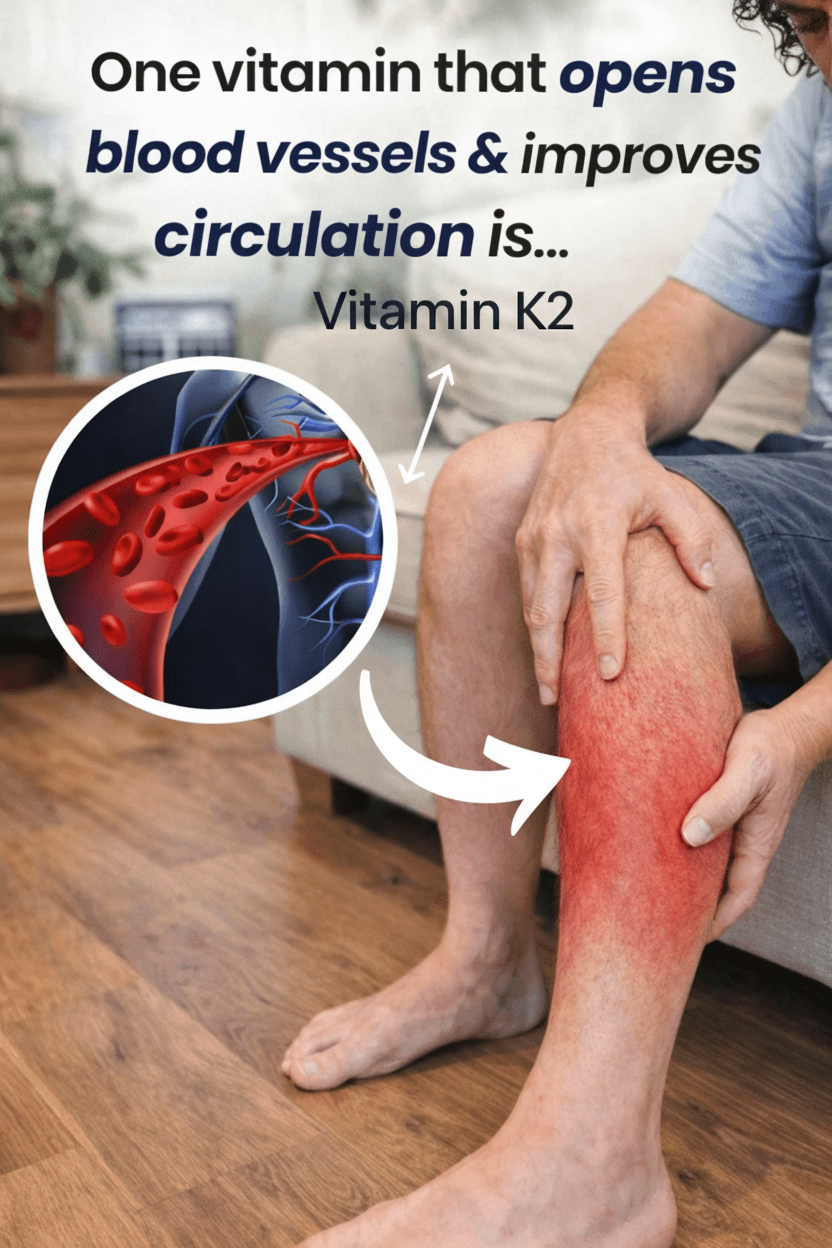
A Holistic Approach: Complementary Nutrients for Vascular Support
While vitamin C rightly garners significant attention, a truly comprehensive strategy for vascular wellness incorporates a synergistic blend of other vital nutrients:
- Vitamin E: Functions as a powerful antioxidant, helping to mitigate oxidative harm to the delicate lining of blood vessels and fostering smoother platelet function.
- B Vitamins (especially B3/Niacin): May play a role in promoting vessel relaxation and contributing to a healthy cholesterol balance.
- Vitamin D: Is involved in regulating blood vessel tone and possesses anti-inflammatory properties that benefit vascular health.
- Vitamin K: Essential for maintaining overall vascular integrity and proper blood clotting.
Integrating these nutrients through a diverse and balanced diet creates a powerful synergy, ensuring that your body doesn’t solely rely on one single component for its vascular support.
Simple Strategies to Enhance Your Vitamin C Intake Naturally
Here are straightforward, actionable steps you can take to significantly boost your daily vitamin C intake through readily available whole foods:
- Kickstart your day with citrus: A single medium orange typically delivers over 70mg of vitamin C, comfortably exceeding the daily recommended intake for most adults.
- Incorporate bell peppers into your meals: Just half a cup of raw red bell pepper offers an impressive approximately 95mg of vitamin C, far surpassing daily requirements.
- Snack on vibrant berries: Strawberries, kiwi, or blueberries not only provide a delicious treat but also an antioxidant-rich surge of vitamin C.
- Include cruciferous vegetables: Steamed or roasted broccoli or Brussels sprouts can contribute between 50–100mg of vitamin C per serving.
- Consider tomatoes or potatoes: When baked with their skin on, these staples can add meaningful quantities of this essential vitamin to your diet.
Aim for a daily intake of 75–90mg from food sources (with higher recommendations for smokers or individuals under significant stress). Prioritizing whole food sources is always ideal, as they naturally come bundled with beneficial fiber and a spectrum of other phytonutrients that work synergistically.
Key Vitamin C Powerhouses for Your Diet
For quick reference, here’s a comparison of some excellent food sources and their approximate vitamin C content:
- Orange (1 medium): ~70mg
- Red bell pepper (1/2 cup raw): ~95mg
- Kiwi (1 medium): ~70mg
Consistent intake of these nutrient-dense foods can significantly contribute to supporting your vascular health and overall well-being as you age.