 By admin
 Activated Charcoal for a Brighter Smile: Understanding its Role in Natural Oral Care
Many individuals aspire to a radiant, brighter smile, yet daily habits and natural processes can gradually diminish tooth brilliance. Factors like regularly consuming coffee, tea, or red wine, coupled with the natural aging process and the accumulation of plaque, often lead to a duller appearance. This common concern can sometimes impact self-confidence in social settings and during everyday interactions. While professional dental whitening treatments offer effective solutions, there’s a growing fascination with gentle, at-home remedies utilizing readily available ingredients. This article delves into one such popular natural option: activated charcoal. We aim to provide a balanced perspective, exploring its potential benefits alongside crucial safety considerations, enabling you to make informed decisions for your personal oral hygiene regimen.
Understanding Activated Charcoal and Its Rise in Oral Care
Activated charcoal is a finely milled, dark powder produced by superheating natural sources like coconut shells or wood in an oxygen-free environment. This specialized process creates a material with an incredibly porous structure, allowing it to effectively bind to various substances. In recent years, its unique adsorptive qualities have propelled it into the spotlight within the oral care industry, appearing in numerous tooth powders and toothpastes. Many users report experiencing a distinct feeling of freshness after incorporating it into their routine, contributing significantly to its widespread discussion across online platforms.
Emerging research suggests that activated charcoal may contribute to the removal of superficial tooth discoloration. Its combined abrasive and adsorptive properties are thought to lift extrinsic stains, such as those caused by coffee. However, it’s important to note that systematic reviews often indicate that its overall teeth-brightening efficacy may be less pronounced when compared to conventional whitening agents. Furthermore, concrete evidence supporting consistent, long-term whitening outcomes remains somewhat limited.
Potential Benefits: What Draws People to Activated Charcoal for Teeth Whitening?
For many, the appeal of activated charcoal lies in its natural origin and straightforward application. Here are some commonly cited benefits that have contributed to its widespread interest:
- Surface Stain Removal: The unique texture and binding capacity of activated charcoal are believed to help lift and remove everyday surface buildup from common foods and beverages, contributing to a cleaner appearance.
- Mild Oral Freshening: Users frequently describe a noticeable sensation of cleanliness and freshness within their mouth after using activated charcoal products.
- Affordability and Accessibility: High-quality, food-grade activated charcoal is generally inexpensive and widely available, making it an accessible option for those exploring natural oral care alternatives.
These attributes largely explain why activated charcoal frequently features in discussions about at-home dental care. Nevertheless, individual experiences can vary significantly.
Crucial Safety Considerations and Potential Risks of Activated Charcoal
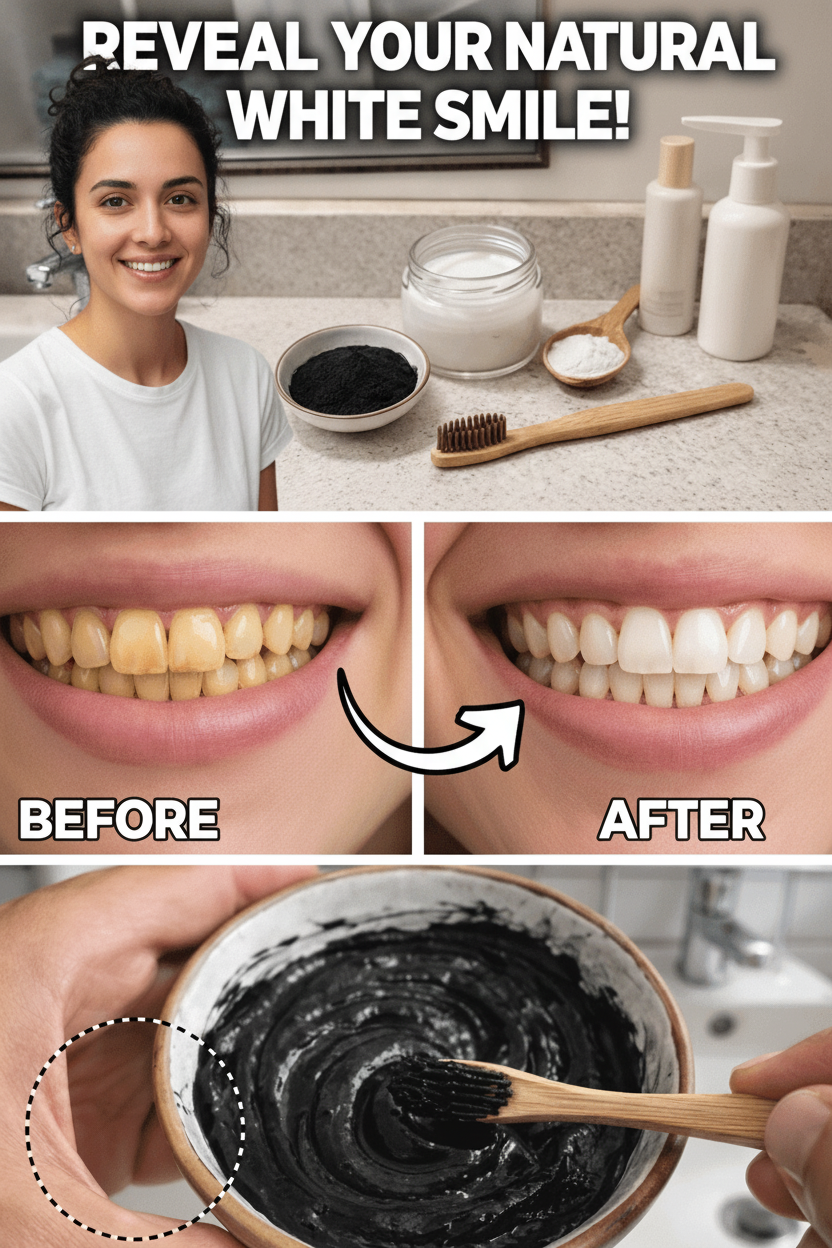
While occasional and gentle use of activated charcoal may be tolerated by some, leading dental professionals emphasize several significant concerns regarding its repeated application. Activated charcoal is notably abrasive, a characteristic that raises questions about its long-term impact on tooth structure. Studies, including systematic reviews of in vitro research, have indicated that activated charcoal often possesses a higher abrasive potential compared to standard toothpastes. This heightened abrasiveness could, over time, lead to gradual wear and tear on the tooth’s protective enamel layer. Such erosion might increase tooth sensitivity or even expose the underlying dentin, which naturally has a more yellowish hue.
The American Dental Association (ADA) has thoroughly reviewed the available data on charcoal-based dental products. They have concluded that there is insufficient scientific evidence to confirm the safety or effectiveness of activated charcoal for routine teeth whitening. Consequently, no charcoal-based products currently bear the prestigious ADA Seal of Acceptance, primarily due to these research gaps and potential risks. Furthermore, frequent use might leave dark residue in dental crevices or cause temporary darkening if particles are not thoroughly rinsed away.
Other important points highlighted by professional sources include:
- Many pure activated charcoal powders lack fluoride, which is a vital ingredient for protecting against cavities and promoting remineralization.
- Vigorous scrubbing with charcoal can potentially irritate gum tissues.
- Activated charcoal is not suitable for everyone, particularly individuals with pre-existing tooth sensitivity, dental restorations (like fillings, crowns, or veneers), or compromised enamel.
Given these factors, dentists strongly recommend moderation and extremely gentle application whenever considering this approach to ensure the preservation of your oral health.
How to Safely Incorporate Activated Charcoal into Your Routine (If You Choose To)
Should you decide to explore activated charcoal after a thorough consultation with your dentist, here’s a cautious, step-by-step guide on how some sources recommend preparing and using food-grade activated charcoal powder:
- Source Quality Charcoal: Ensure you select pharmaceutical-grade or food-grade activated charcoal. Avoid industrial or non-food versions.
- Prepare a Thin Paste: Mix a very small quantity (approximately half a teaspoon) with just enough water to create a thin, smooth paste. The consistency should not be overly thick or gritty.
- Dampen Your Brush: Lightly moisten your toothbrush, or for even less abrasion, consider using a soft finger.
- Gentle Application: Carefully apply the paste to your teeth. Dab it on or brush very lightly, avoiding any heavy pressure or vigorous scrubbing motions.
- Brief Contact Time: Allow the paste to remain on your teeth for a short duration, typically 1 to 2 minutes, to facilitate any potential binding action.
- Thorough Rinsing: Rinse your mouth extensively with water multiple times until all charcoal particles are completely cleared.
- Follow with Fluoride: Immediately after rinsing, brush your teeth thoroughly with your regular fluoride toothpaste. This step is crucial for remineralization and cavity protection.
- Limit Frequency: Restrict usage to a maximum of one to two times per week. Daily application is strongly discouraged.
Always prioritize your dental health and consult with a dental professional before introducing any new whitening or oral care product into your routine, especially if you have existing dental conditions.