 By admin
 9 Critical Cancer Warning Signs You Must Not Ignore
Cancer often begins subtly, manifesting through minor bodily changes that many individuals mistakenly attribute to stress, aging, or everyday ailments. These initial shifts might seem inconsequential, but if they persist or intensify, they could signal a more serious underlying issue. Leading health organizations such as the American Cancer Society and Johns Hopkins Medicine consistently highlight the profound impact of recognizing ongoing symptoms for early detection. While the majority of these indicators ultimately prove to be benign, early identification significantly improves the chances of effective intervention for whatever condition is present. This article will delve into nine prevalent warning signs, supported by authoritative health sources, explaining their potential causes and outlining immediate, actionable steps you can take. Read on to discover a simple daily practice that enhances overall body awareness and could help you identify changes sooner than you expect.
Why These Signs Demand Your Attention
A common tendency is to postpone discussing persistent health concerns with a doctor for weeks or even months. However, research from esteemed institutions like the National Cancer Institute indicates that certain cancers can trigger general symptoms by impacting the body’s energy utilization, immune response, or fundamental physiological processes. The crucial factor here is persistence: if any bodily change lasts beyond a couple of weeks without a clear explanation, it warrants medical evaluation. It’s also vital to understand that these indicators rarely surface in isolation. More often, they appear in combination, forming a pattern that becomes more discernible. Nevertheless, there’s no need for alarm—most such occurrences have non-cancerous origins. The primary objective is to foster informed awareness, not fear.
1. Unexplained Weight Loss
Shedding 10 pounds or more without any intentional dietary adjustments or increased exercise is frequently cited as a significant early warning sign. Studies from the American Cancer Society explain this phenomenon as cancer cells consuming substantial amounts of energy, or the body producing substances that alter metabolic rates.
What to watch: Noticeable loosening of clothing, even if your appetite remains normal or has increased.
Action step: Monitor your weight weekly for a month. If the unexplained reduction continues, document any other accompanying symptoms and consult your physician.
2. Persistent Fatigue That Doesn’t Improve With Rest
While everyone experiences tiredness, a profound and unrelenting exhaustion that persists despite adequate sleep is particularly concerning. Johns Hopkins Medicine emphasizes this as a common complaint among individuals subsequently diagnosed with various cancers, often linked to anemia or the body’s systemic inflammatory response. This differs markedly from ordinary tiredness, feeling deep-seated and constant.
Action step: Keep a daily log of your energy levels. If two weeks of rest do not alleviate the fatigue, bring this up at your next medical appointment.
3. Ongoing Fever or Night Sweats
Recurrent fevers without a clear infectious cause, particularly those accompanied by drenching night sweats, are highlighted by sources such as the Mayo Clinic and Cancer Research UK. These symptoms can arise from the immune system’s reaction to the presence of abnormal cells.
Look for patterns: Fevers that fluctuate or are paired with chills.
Action step: Maintain a simple symptom diary, including temperature readings, to share with your healthcare provider.
4. New or Changing Lumps and Swellings
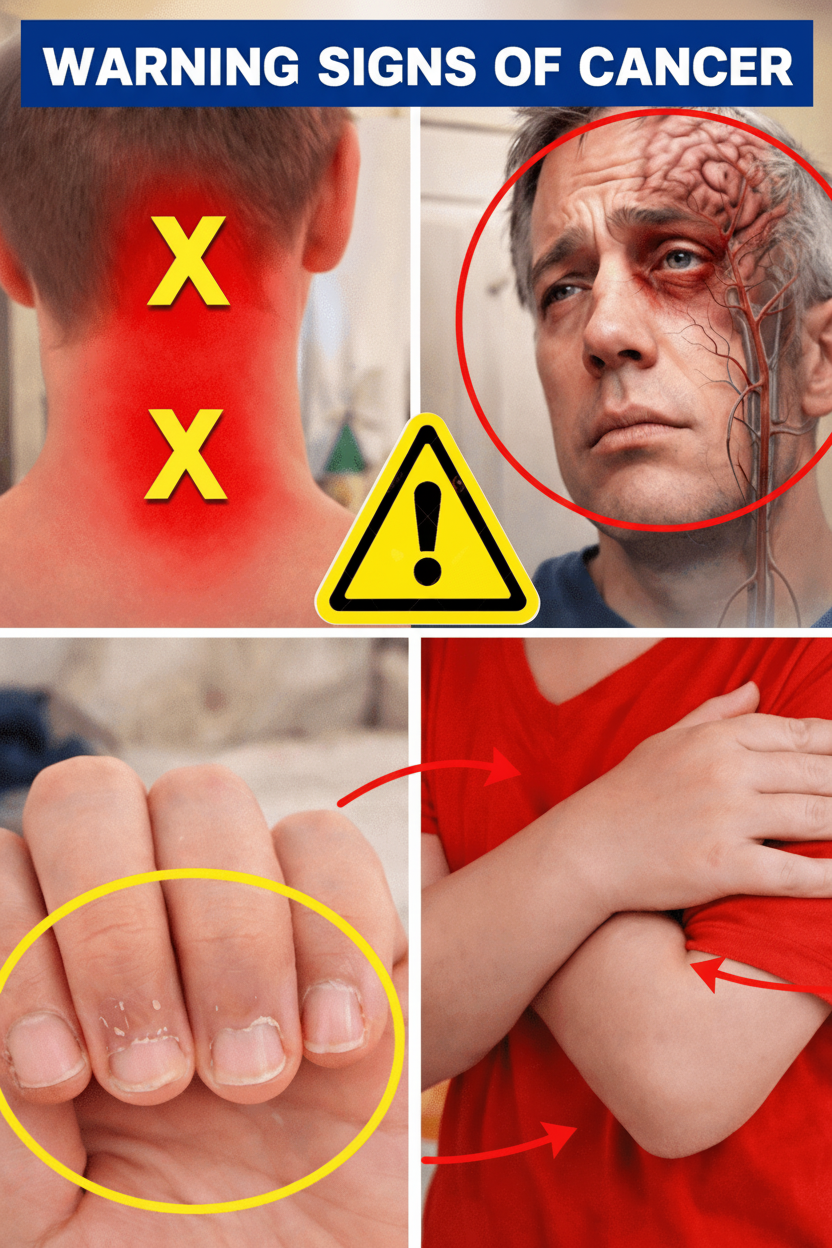
Any painless lump located in areas like the neck, armpit, groin, or elsewhere on the body that does not resolve warrants careful attention. The American Cancer Society identifies this as a classic indicator, especially if the lump grows in size or has a hard texture. While not all lumps are serious, their persistence is a key factor.
Action step: Perform a gentle self-examination of your body monthly in good lighting. Note its size, texture, and any changes over time.
5. Skin Changes You Haven’t Seen Before
The appearance of new moles, sores that fail to heal, or yellowing of the skin/eyes (jaundice) can indicate potential health concerns. Reputable sources like UCSF Health specifically point to shifts in skin color, texture, or non-healing lesions as significant red flags. Of particular concern are asymmetrical moles or those exhibiting changes in size or color.
Action step: During self-checks, apply the ABCDE rule for moles: Asymmetry, Border irregularity, Color variation, Diameter (>6mm), Evolving (changes over time).
6. Changes in Bowel or Bladder Habits
Persistent issues such as chronic diarrhea, constipation, noticeably narrower stools, or the presence of blood in stool or urine are outlined in guidelines from numerous health organizations. These alterations often point to colorectal or bladder issues but can also be indicative of other cancers.
Action step: For one week, document the frequency and appearance of your bowel movements and urination. Any presence of blood, even in small quantities, necessitates an immediate discussion with a doctor.
7. Unusual Bleeding or Discharge
The presence of blood in coughs, vomit, urine, or stool, or experiencing abnormal vaginal bleeding (especially post-menopause), is emphasized in resources from the NCI and Mayo Clinic. Even minor, recurring spotting requires medical evaluation.
Action step: Do not dismiss these occurrences as “normal.” Track the episodes and report them to your doctor promptly.
8. Persistent Pain That Won’t Go Away
Ongoing headaches, back pain, or abdominal discomfort without an identifiable cause are mentioned across various health sources. While common for many benign conditions, persistent, unexplained pain that doesn’t resolve with typical remedies could be a warning sign and should be investigated by a healthcare professional.