 By admin
 Guava for Eye Health: Unlocking Nature’s Vision-Boosting Nutrients
In our increasingly digital world, it’s common for many to experience symptoms like tired, dry, or strained eyes after extended periods in front of screens or in arid conditions. Over time, factors such as aging, environmental light exposure, and oxidative stress can contribute to discomfort and a gradual decline in visual clarity. The frustration of finding everyday tasks more challenging due to eye strain is real, making the search for gentle, natural methods to nourish our vision a significant priority.
The encouraging news is that integrating specific nutrient-dense foods into your regular diet can play a crucial role in supporting overall eye wellness. Among these, guava emerges as a remarkable contender—a tropical fruit brimming with essential vitamins and potent antioxidants. This comprehensive guide will delve into how guava’s unique natural compounds can contribute to robust eye care, offer practical and delightful ways to incorporate it into your diet, and reveal a simple, refreshing preparation method that many find highly beneficial.
Why Guava Stands Out for Optimal Eye Support
Guava is far more than just a delicious tropical treat; it’s celebrated as one of the most nutritionally rich fruits available. A single guava fruit can provide well over double the daily recommended intake of vitamin C, alongside significant quantities of vitamin A and a diverse array of antioxidants. Scientific research consistently highlights vitamin C’s role as a powerful antioxidant, diligently working to protect delicate eye tissues from the damaging effects of oxidative stress caused by free radicals. Studies, including findings from the landmark Age-Related Eye Disease Study (AREDS), strongly suggest that dietary patterns abundant in vitamin C can contribute significantly to preserving healthy vision as we age.
But the benefits extend even further. The vitamin A present in guava is vital for maintaining the health of both the cornea and the retina, playing an indispensable role in adapting to low-light conditions and ensuring overall optimal eye function. Moreover, various sources emphasize guava’s concentration of beneficial carotenoids, particularly lutein and zeaxanthin. These powerful compounds are known to accumulate in the macula—a crucial part of the retina—where they act as natural filters, helping to shield the eyes from potentially harmful blue light.
The Scientific Foundation of Guava’s Eye-Friendly Nutrients
Numerous scientific investigations underscore guava’s impressive nutritional profile and its specific contributions to visual health:
- Exceptional Vitamin C Levels: Guava boasts significantly higher levels of vitamin C compared to oranges—often providing four to five times more per serving. This potent vitamin is crucial for supporting collagen structures within the eyes and is recognized for its potential to mitigate risks associated with oxidative stress, as detailed in reviews from reputable institutions like the National Eye Institute.
- Vitamin A and Beta-Carotene: These essential nutrients are fundamental for maintaining retinal health and can be instrumental in preventing common issues such as night blindness and other vision challenges related to dim light.
- Rich in Antioxidants and Flavonoids: Both the fruit and leaves of the guava plant contain powerful compounds that effectively neutralize free radicals, thereby offering crucial protection to the intricate and sensitive tissues of the eyes.
While it’s important to understand that no single food can guarantee perfect vision, the compelling evidence from nutritional research clearly demonstrates that a consistent intake of these vital nutrients from wholesome foods like guava can be an integral component of a proactive dietary strategy for long-term eye health.
Here’s a breakdown of key eye-benefiting nutrients found in guava:
- Vitamin C: Offers robust protection against oxidative stress and supports the integrity of blood vessels within the eyes.
- Vitamin A: Absolutely essential for preserving a clear cornea and ensuring excellent vision in low-light environments.
- Lutein and Zeaxanthin: Act as vital filters for harmful blue light and are critical for maintaining macular health.
- Fiber and Potassium: While not directly eye-specific, these nutrients contribute to overall systemic wellness, indirectly supporting healthy circulation which is beneficial for eye health.
Effortless Ways to Integrate Guava into Your Daily Routine
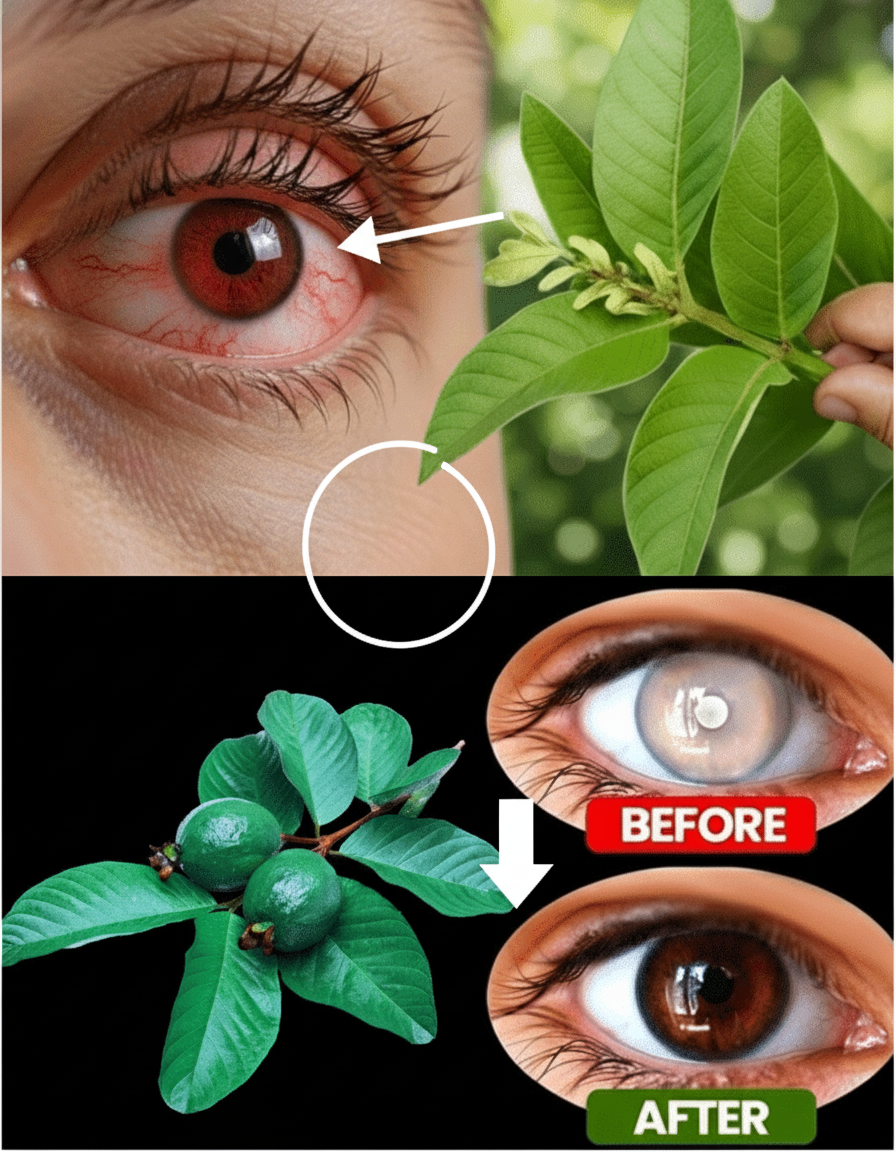
Incorporating guava into your daily diet is both simple and highly enjoyable. Here are several practical and delicious methods you can explore today:
- Enjoy It Fresh: For a quick and nutritious snack, simply wash a ripe guava, slice it, and savor the flavorful flesh. The skin is also edible and provides an extra boost of dietary fiber. Aim to consume 1–2 guavas per day, especially when they are in season for peak freshness and nutrient content.
- Whip Up a Revitalizing Smoothie: Blend fresh guava with a banana, a dollop of yogurt, and a splash of lime juice for an incredibly refreshing and nutrient-packed beverage. This is an excellent way to kickstart your day or enjoy a healthy midday treat.
- Prepare Natural Guava Juice: Either squeeze fresh guavas to extract their juice or blend the fruit and then strain it for a smoother consistency. Opt for unsweetened versions to fully appreciate its natural flavor and maximize its health benefits without added sugars.
- Explore Guava Leaf Tea (A Traditional Elixir): Many individuals turn to this traditional preparation for its renowned antioxidant properties and soothing qualities. This intriguing herbal infusion offers a gentle way to benefit from the plant’s compounds.
To prepare guava leaf tea:
- Carefully select 5–7 fresh, young guava leaves (ensure they are thoroughly washed).
- Boil them gently in 2 cups of water for approximately 10–15 minutes.
- Strain the liquid and allow it to cool slightly before serving. You can enjoy it warm or chilled.
Begin with one cup daily and pay attention to how your body responds. Always ensure you are using clean leaves sourced from areas free of pesticides to guarantee safety and purity.
Beyond Vision: Additional Health Advantages of Guava
Guava’s health benefits extend well beyond supporting vision. Its exceptionally high fiber content significantly aids healthy digestion, promoting gut regularity. The abundant vitamin C boosts the immune system, helping your body ward off illnesses. Furthermore, its rich profile of antioxidants contributes to overall cellular health and general wellness, potentially leading to increased energy levels and a greater sense of vitality when included regularly in your diet.
Important Considerations for Holistic Eye Care
While guava is generally considered safe and highly nutritious, it’s crucial to remember that individual results and responses can vary. Integrating guava into your diet should be part of a broader, balanced approach to health. This includes maintaining a diverse and nutritious diet, scheduling regular comprehensive eye check-ups with a professional, adopting protective habits such as consistently wearing sunglasses outdoors, and mindfully limiting prolonged screen time. Guava acts as a powerful dietary ally, but it complements, rather than replaces, these essential eye care practices.
Conclusion: Embrace Guava for Brighter Vision
Incorporating guava into your daily meals offers a delicious, natural, and accessible strategy to nourish your eyes with a potent blend of essential vitamins and protective antioxidants. From enjoying the fresh fruit to savoring a simple, antioxidant-rich tea, guava presents a versatile and valuable option worth exploring for enhancing and sustaining long-term eye health and overall well-being. Make this tropical powerhouse a staple in your diet and take a proactive step towards brighter, healthier vision.