 By admin
 The allure of a quick fix for visible signs of aging is undeniable, particularly when it involves a common household item. Many individuals observe the gradual emergence of fine lines and wrinkles, predominantly around the eyes, forehead, and mouth, as they age. Such changes can diminish the skin’s smooth, vibrant appearance, often leading to disappointment with conventional skincare regimens that fall short of delivering the desired youthful glow. While it’s true that no single ingredient offers an instant, miraculous skin transformation, the widespread interest in natural remedies has led to curiosity about agents like baking soda for their purported role as a gentle exfoliant in home beauty routines. But does this kitchen staple truly hold the secret to smoother, more youthful-looking skin? This article delves into the discussion surrounding baking soda in natural beauty communities, exploring its potential benefits, significant risks, and, most importantly, evidence-based alternatives for achieving and maintaining healthy, resilient skin in the long term.
Understanding Skin Aging and the Formation of Wrinkles
The development of wrinkles is an inherent part of the aging process, influenced by several factors. Key among these are the natural decline in collagen and elastin synthesis, prolonged exposure to ultraviolet radiation, repeated facial expressions, and various lifestyle choices, including hydration status. With advancing age, the skin progressively loses its inherent moisture and elasticity, which in turn accentuates the visibility of fine lines and deeper wrinkles. While controlled, gentle exfoliation can indeed assist in shedding lackluster surface skin cells, potentially unveiling a more radiant complexion temporarily, it’s crucial to understand that overly aggressive methods can compromise the skin’s vital protective barrier. Skincare experts and dermatologists consistently underscore the importance of safeguarding this barrier to prevent issues like excessive dryness or irritation, which paradoxically can contribute to an older-looking skin appearance.
The Role of Baking Soda in Skincare Discussions
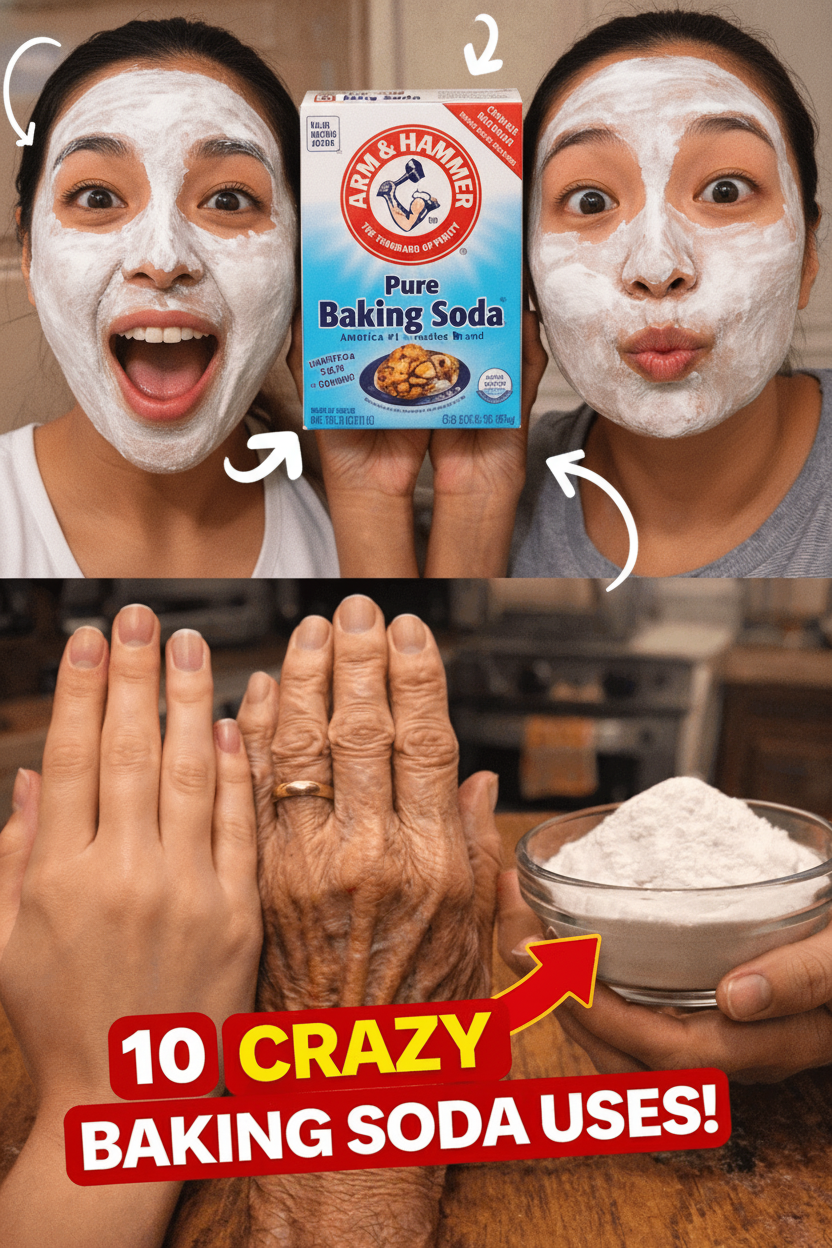
Sodium bicarbonate, commonly known as baking soda, is a household staple recognized for its alkaline properties, typically possessing a pH level of approximately 9. In various online beauty forums, it frequently garners attention for its subtly abrasive consistency, which proponents claim can function as a physical exfoliant, effectively removing dead skin cells from the surface. Consequently, certain informal accounts propose that this immediate, temporary skin smoothing can momentarily diminish the appearance of fine lines. However, while dermatological research acknowledges baking soda’s utility in specific applications, such as alleviating skin irritation in bath soaks, robust scientific evidence directly supporting its efficacy for wrinkle reduction or broader anti-aging benefits remains sparse and largely confined to anecdotal observations. Leading health authorities, including those cited by Healthline, consistently highlight the notable absence of substantial scientific data to endorse topical baking soda as a primary, beneficial ingredient for routine skincare, particularly when applied to the delicate facial area.
Perceived Advantages of Baking Soda in Skincare
Within various natural beauty circles, baking soda is frequently highlighted for several purported benefits:
- Mild Exfoliation: Its fine, granular consistency is believed to gently scrub away superficial dead skin cells, often resulting in a noticeably smoother and softer skin texture immediately following application and rinsing.
- Temporary Oil Control: For individuals with oily skin, baking soda might offer a transient mattifying effect by absorbing excess surface oils.
- Cost-Effectiveness and Availability: Being a ubiquitous kitchen ingredient, it presents an attractive, economical option for