 By admin
 In an age where health information floods our digital feeds, many individuals grappling with long-term health concerns often find themselves overwhelmed. The constant barrage of warnings, conflicting advice, and anxieties about the future can be exhausting. Social media, in particular, tends to amplify this apprehension, frequently showcasing dramatic testimonials or promoting “miracle” concoctions that promise protection from serious ailments. This emotional landscape makes it incredibly easy to gravitate towards seemingly simple solutions, especially when they are framed as “natural” or “traditional.” This article aims to offer a crucial perspective that might fundamentally reshape how you perceive such online health claims.
Why a Specific Herbal Infusion is Capturing Online Attention
Across various social platforms and health blogs, a particular herbal drink has garnered significant traction. It’s often promoted with assertions of supporting overall wellness and vitality. Proponents frequently position it as an integral part of traditional lifestyle practices, distinct from conventional modern medicine. Online, you’ll find countless images of dried botanicals – leaves, seeds, and deep-hued teas – usually accompanied by compelling personal narratives centered on disease prevention and longevity. Yet, it’s vital to remember a fundamental truth: widespread popularity doesn’t automatically equate to scientific validation. This distinction forms the core of our exploration.
Understanding the Enduring Appeal of Herbal Wellness Beverages
Herbal beverages boast a rich history, deeply embedded in human cultures for millennia. Long before the advent of contemporary healthcare systems, communities worldwide relied on plants for comfort, ceremonial purposes, and daily health rituals. Several compelling factors contribute to their continued allure in today’s world:
- They offer a sense of being natural and inherently familiar.
- They are frequently budget-friendly and easily accessible to many.
- They seamlessly integrate into existing daily routines.
- They provide individuals with a perceived sense of control over their personal health journey.
However, this perspective only tells part of the story.
What Scientific Research Reveals About Herbal Compounds
Indeed, many herbs commonly used in traditional infusions contain a variety of natural compounds, such as polyphenols and antioxidants. Scientific inquiry suggests that these compounds may contribute to general cellular well-being and assist the body in managing everyday physiological stress. Studies frequently highlight potential benefits, including:
- Aiding normal metabolic functions.
- Boosting overall antioxidant intake.
- Serving as a component within established traditional dietary patterns.
Nevertheless, it is absolutely critical to clarify what scientific research does not state. Rigorous studies do not assert that any single drink possesses the power to prevent mortality or eradicate complex medical conditions. Health outcomes are, in reality, a complex interplay of numerous factors, including an individual’s genetics, environmental influences, overarching lifestyle choices, and access to quality healthcare. This nuanced distinction is far more significant than many online discussions suggest.
The Critical Divide Between Wellness Support and Medical Assertions
One of the most pervasive challenges in the online health landscape is the dangerous blurring of lines between general lifestyle wellness support and definitive medical promises. When a beverage is presented as merely “supporting wellness,” that claim differs profoundly from asserting it can alter disease progression or outcomes. Consider this straightforward comparison:
| Wellness Support | Medical Claims |
|---|---|
| Integrates into daily habits | Promises specific therapeutic outcomes |
| Emphasizes overall balance | Focuses on measurable disease-specific results |
| Encourages healthy routines | May foster dependence on a product |
| Neutral and fact-based information | Often emotionally charged and persuasive |
Understanding this fundamental difference is paramount for safeguarding both consumers and content creators from potential harm and misinformation.
The Perils of Overstated Health Claims
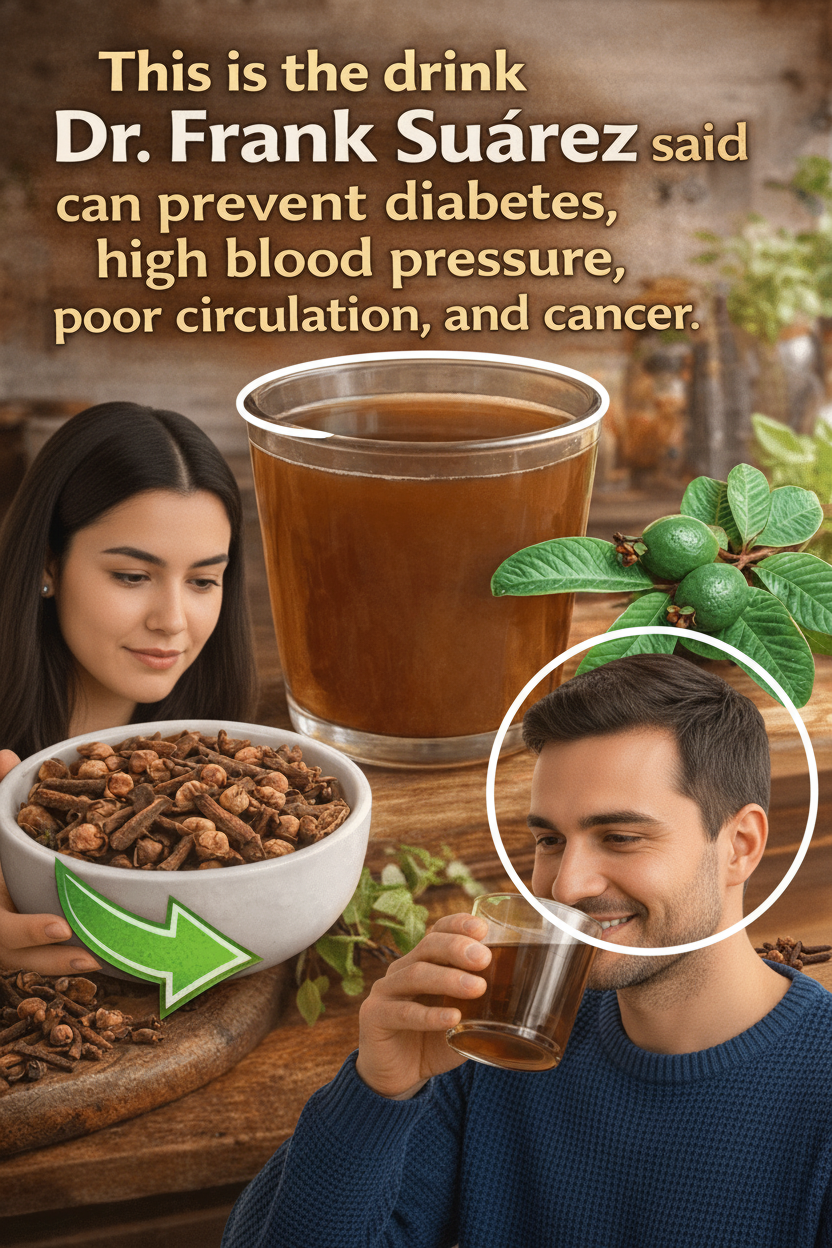
This particular aspect warrants serious attention. When individuals are led to believe that a singular habit or product can substitute for comprehensive balanced nutrition, regular medical check-ups, or professional healthcare advice, they risk delaying or neglecting interventions that are genuinely crucial for their health. Over time, this misplaced reliance can paradoxically escalate anxiety rather than alleviating it. Research within behavioral psychology consistently demonstrates that fear-based health messaging frequently results in confusion and distress, rather than offering clarity. Initially, readers might experience a surge of hope, only to face profound disappointment when those unrealistic expectations are inevitably unmet. This outcome is undeniably counterproductive to true well-being.
Embracing a Truly Health-Focused Lifestyle
Rather than fixating on a single “miracle” drink or product, health experts consistently advocate for holistic patterns of behavior. Sustainable, long-term wellness is fundamentally about consistent actions performed most days, not isolated efforts undertaken occasionally. Here are evidence-based habits widely supported by extensive research:
- Consuming a diverse diet rich in whole, unprocessed foods.
- Engaging in regular physical activity in ways you genuinely enjoy.
- Effectively managing stress through mindful routines and adequate rest.
- Prioritizing consistent and sufficient sleep.
- Cultivating and maintaining strong social connections.
Here’s the often-understated truth: herbal drinks can indeed complement such a lifestyle, but they represent only a minor component within this much larger, integrated picture of health.
How to Incorporate Herbal Drinks Responsibly and Mindfully
If you genuinely enjoy herbal teas or traditional infusions, there is absolutely no reason to exclude them from a well-rounded and balanced routine. However, it’s crucial to approach their inclusion responsibly:
Step One: Prioritize Simple, Transparent Ingredients
Opt for products containing single herbs or clearly labeled blends. Be wary of any products featuring exaggerated marketing language, vague promises, or proprietary blends without clear ingredient lists. Transparency is key.
Step Two: Focus on the Experience and Ritual
Appreciate the warmth, the inviting aroma, and the calming moment that preparing and sipping an herbal drink can create. Embrace it as a mindful pause in your day, rather than solely as a medicinal intervention. The ritual itself can contribute to well-being.
Step Three: Consult Healthcare Professionals When Necessary
Before making significant changes to your diet or health regimen, especially if you have existing health conditions or are taking medications, always consult with a qualified healthcare professional. They can provide personalized advice and ensure any herbal additions are safe and appropriate for your individual needs.