 By admin
 In our modern world, many individuals frequently experience visual discomfort, including strain, dryness, and a general feeling of fatigue after prolonged screen time, extensive reading, or simply from the demands of daily life. These symptoms, often accompanied by mild irritation or blurred vision, can significantly hinder productivity and overall well-being. While ocular health naturally evolves with age and is influenced by lifestyle choices, a growing number of people explore traditional or home-based remedies for gentle support. This raises an interesting question: could a common ingredient like onion juice genuinely contribute to eye wellness?
Onions have a long history in traditional medicine across various cultures, and contemporary interest has prompted a closer examination of their potential health benefits, particularly concerning eye health. This article aims to delve into the scientific evidence and expert opinions surrounding the use of onions for visual comfort and health. We will explore how incorporating them into your diet might offer nutritional advantages, while also providing clear, realistic, and safe guidance on their application.
Why Onions Spark Interest for Ocular Health
Onions, members of the Allium genus, are renowned for their rich nutritional profile, featuring beneficial compounds such as quercetin—a potent flavonoid with significant antioxidant capabilities—alongside various sulfur compounds and vitamin C. These components are believed to play a role in mitigating oxidative stress throughout the body, a process that is integral to maintaining optimal health, including the health of our eyes.
Preliminary scientific inquiries, primarily involving animal models, have investigated the effects of topically applied, diluted onion juice on the cornea. These studies have observed potential positive impacts on aspects like tear production and structural integrity in specific experimental conditions related to aging or induced ocular issues. For instance, laboratory research conducted on rats has suggested that fresh onion juice, when applied externally, might contribute to sustaining corneal health or indirectly influencing tear secretion.
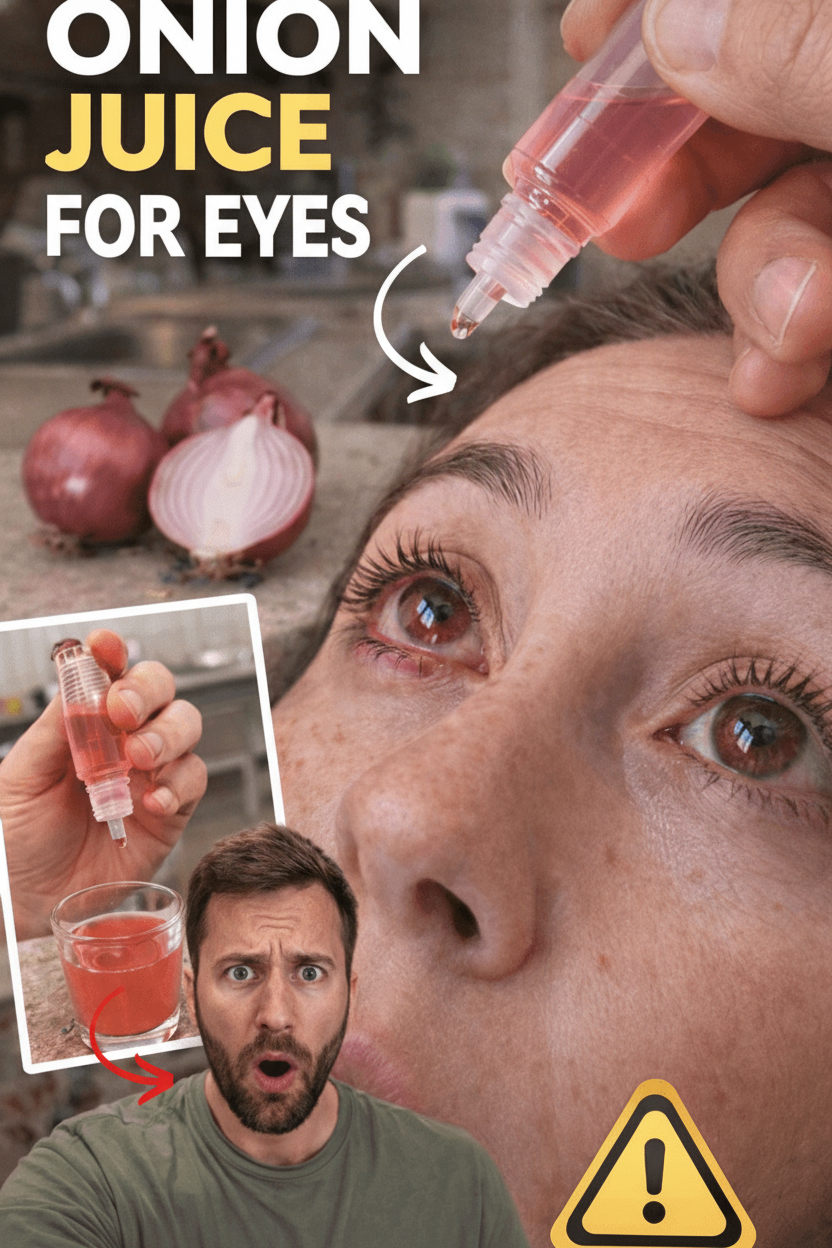
However, it is critically important to underscore that the vast majority of these promising observations originate from animal studies, not comprehensive human clinical trials. The human eye is an exceptionally sensitive organ, and the direct application of raw onion juice can trigger intense stinging, redness, and considerable irritation. This adverse reaction is primarily due to the potent sulfur compounds present in onions, which are naturally designed to induce tearing as a protective reflex.
Consequently, leading medical professionals, including ophthalmologists, strongly caution against applying undiluted or raw onion juice directly into the eyes. Such practices carry a high risk of causing significant discomfort, potential damage, and other adverse reactions, without any robust scientific evidence to support claims of improved vision or therapeutic benefits in humans.
The Safe and Effective Path: Enhancing Eye Health Through Dietary Intake
Rather than pursuing unproven and potentially harmful topical applications, the most scientifically supported method for leveraging onions’ benefits for eye health lies in their regular consumption as part of a well-rounded diet. The antioxidants found in onions are instrumental in safeguarding cellular structures from damage caused by free radicals, thereby contributing to sustained long-term ocular wellness.
Numerous studies consistently demonstrate a correlation between diets abundant in fruits and vegetables—onions included—and superior indicators of overall eye health. Quercetin, specifically, has shown considerable potential in laboratory environments for its notable anti-inflammatory and protective attributes.
Here are straightforward and practical strategies to integrate onions into your daily dietary regimen:
- Incorporate either raw or cooked onions into your salads, hearty soups, or vibrant stir-fries to ensure consistent daily nutrient intake.
- Aim to include onions in your meals approximately 4–5 times per week to establish a steady foundation of nutritional support.
- Combine onions with other vision-supportive foods, such as carrots, dark leafy greens, and citrus fruits, to amplify the overall nutrient synergy.
Adopting this dietary habit is not only simple and safe but also fully consistent with the nutritional guidelines provided by leading health organizations for maintaining robust vision.
Dispelling Misconceptions: Onion Remedies for Eyes – Myths vs. Reality
The digital landscape is often awash with anecdotal claims and viral content promoting rapid, miraculous fixes, such as using onion juice drops to achieve crystal-clear vision in a matter of days. It’s crucial to critically evaluate these widespread notions:
- Myth: Applying onion juice drops to the eyes will significantly sharpen vision overnight. Reality: There is no credible human research to substantiate this claim. On the contrary, such an action typically results in severe irritation and discomfort, offering no proven benefits.
- Myth: Onion juice possesses the power to reverse age-related vision degradation. Reality: While onions do supply beneficial nutrients, no single food or home remedy can reverse established age-related ocular conditions. For such concerns, professional ophthalmological care is indispensable.
- Myth: Onion juice eye drops are a safe experiment for everyone at home. Reality: The intense stinging and burning sensation caused by the sulfur compounds in onions render this practice highly unsuitable and potentially dangerous for the vast majority of individuals. Prioritizing eye safety should always be paramount.
In essence, while onions undoubtedly contain valuable bioactive compounds, their contribution to eye health is most effectively realized through dietary intake, rather than through direct, hazardous application to the delicate ocular surface.
A Practical Guide: Safely Integrating Onions for Nutritional Eye Support
If you’re interested in harnessing the potential nutritional advantages of onions for your eyes in a safe and beneficial manner, consider these straightforward steps:
- Select Fresh Varieties: Opt for fresh onions, particularly red or yellow types, as these frequently boast higher concentrations of quercetin.
- Simple Preparation: For optimal nutrient retention, chop and incorporate raw onions into your dishes. Alternatively, light cooking can help mellow their pungent flavor if preferred.
- Begin Gradually: If you’re not accustomed to consuming larger quantities of onions, start with smaller portions to allow your digestive system to adjust and prevent any potential discomfort.
- Strategic Pairing: Enhance the bioavailability and absorption of beneficial compounds by combining onions with foods rich in Vitamin C, such as tomatoes or bell peppers.
- Monitor Your Well-being: Pay attention to how your body responds and note any positive changes in your overall energy levels or comfort over a few weeks of consistent inclusion.