 By admin
 Pumpkin Seeds for Men’s Urinary Health: Unveiling the Science-Backed Benefits
For many men, particularly those over the age of 50, the challenges associated with an enlarged prostate can significantly impact daily life. These issues, often categorized as lower urinary tract symptoms (LUTS), frequently manifest as increased bathroom visits—especially during the night—a weakened urine stream, or the persistent sensation of incomplete bladder emptying. Such symptoms can disrupt sleep patterns, diminish energy levels, and ultimately detract from overall quality of life, making even routine activities feel burdensome.
The encouraging news is that researchers are increasingly focusing on the potential of simple dietary adjustments, such as incorporating nutrient-rich foods, to support urinary comfort in aging men. Among these beneficial options, pumpkin seeds stand out. These natural powerhouses are packed with essential nutrients that have been the subject of various studies exploring their role in promoting prostate and bladder wellness. But there’s more to understand about how this readily available seed can be integrated into a proactive health regimen. Continue reading to discover practical ways to include them in your diet and what the scientific evidence truly reveals.
Why Pumpkin Seeds Are a Game-Changer for Prostate Support
Pumpkin seeds, widely known as pepitas, boast an impressive nutritional profile. They are notably rich in zinc, a vital mineral found in high concentrations within the prostate gland. Scientific investigations suggest that maintaining adequate zinc levels may be crucial for supporting normal prostate function, given the gland’s inherent demand for this nutrient compared to other bodily tissues.
Beyond zinc, pumpkin seeds also contain phytosterols—plant compounds structurally similar to cholesterol. Certain studies indicate that these phytosterols could positively influence hormone pathways relevant to prostate enlargement, potentially by subtly affecting the activity of dihydrotestosterone (DHT), a hormone linked to prostate growth in men. Furthermore, the antioxidants and healthy fats present in pumpkin seeds add to their appeal. These components actively combat oxidative stress, a process implicated in aging and inflammation throughout the body, including the delicate urinary system.
What Research Reveals About Pumpkin Seeds and Urinary Symptoms
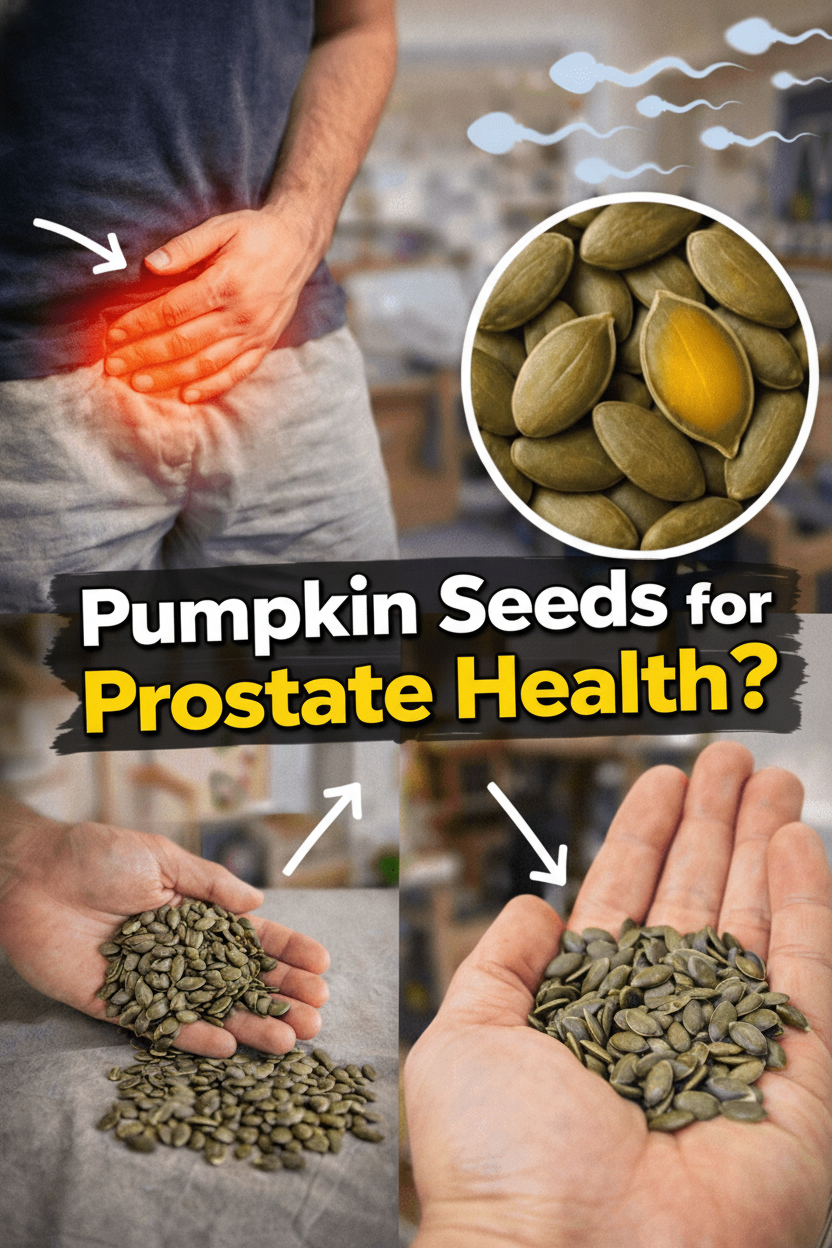
A number of clinical studies have investigated the efficacy of pumpkin seeds (or their oil/extract) in men diagnosed with benign prostatic hyperplasia (BPH), a common non-cancerous enlargement that frequently gives rise to lower urinary tract symptoms (LUTS). In a significant randomized, placebo-controlled trial, famously known as the GRANU study, over 1,400 men aged 50-80 participated. Those who consumed whole pumpkin seeds (5 grams twice daily) for a period of 12 months demonstrated a clinically relevant improvement in their International Prostate Symptom Score (IPSS)—a standardized metric for assessing urinary symptoms—when compared to the placebo group. A greater proportion of men in the pumpkin seed cohort experienced at least a 5-point reduction in IPSS, signifying noticeable relief from their symptoms.
Another investigation, comparing pumpkin seed oil with alternative treatments, observed that it contributed to improvements in symptoms such as urinary flow and overall quality of life over several months. Researchers noted these beneficial effects typically occurred without significant alterations in prostate volume or PSA levels, underscoring a focus on symptom relief rather than structural changes. A separate trial focusing on pumpkin seed oil for symptoms of overactive bladder reported reductions in urinary urgency, frequency, and nocturia following consistent use. While more extensive research is warranted to draw broader conclusions, these findings collectively suggest that pumpkin seeds may offer valuable supportive benefits for men’s urinary health. However, it’s crucial to remember that integrating lifestyle adjustments with nutrient-dense foods often yields the most favorable long-term outcomes.
Key Nutrients in Pumpkin Seeds That May Help
Here’s a concise overview of why these seeds are considered a nutritional powerhouse:
- Zinc: Vital for maintaining robust prostate tissue health; a single ounce typically supplies approximately 20-30% of your daily recommended intake.
- Phytosterols (beta-sitosterol): These plant compounds have been studied for their potential to promote urinary comfort and function.
- Magnesium and healthy fats: Essential for supporting muscle relaxation and helping to mitigate systemic inflammation.
- Antioxidants: Offer crucial protection to cells against the cumulative damage from daily environmental stressors and aging.
These components work synergistically, supporting the body’s natural mechanisms for maintaining equilibrium as we age.
Practical Ways to Add Pumpkin Seeds to Your Daily Routine
Incorporating pumpkin seeds into your diet is both straightforward and incredibly versatile. Aim for a daily intake of approximately 1-2 ounces (roughly a small handful), a quantity often referenced in various studies. Here are some actionable suggestions to get started:
- Lightly Roast Them: Spread raw seeds on a baking sheet, add a sprinkle of salt or your preferred spices, and roast at 350°F (175°C) for 10-15 minutes. This simple step enhances their flavor profile without compromising their nutritional value.
- Sprinkle on Meals: Easily integrate them into salads, yogurt, oatmeal, or soups to add a satisfying crunch and a boost of nutrition.
- Blend into Smoothies: Toss a small handful into your morning smoothie alongside fruits and leafy greens for an added health kick.
- Enjoy as a Snack: Keep a small container of pumpkin seeds handy for a convenient, healthy snack between meals. For added variety and nutrients, consider pairing them with other nuts.
- Try Pumpkin Seed Oil: Use cold-pressed pumpkin seed oil as a flavorful dressing for salads or as a dietary supplement.