 By admin
 Do you often start your day feeling sluggish, reaching for caffeine rather than water, only to find a persistent headache developing by afternoon and your concentration waning? These common daily struggles are frequently linked to a simple yet often neglected factor: insufficient fluid intake throughout the day. Many individuals don’t realize how rapidly even mild dehydration can manifest, contributing to persistent fatigue, general discomfort, and a gradual decline in overall well-being. The encouraging news is that a conscious effort to improve your hydration habits can profoundly enhance how you feel and perform. This comprehensive guide will delve into both the subtle and more overt cues your body provides when its fluid levels are inadequate, supported by insights from reputable health organizations. Read on to discover actionable, straightforward strategies to boost your energy and comfort levels effectively.
The Critical Role of Hydration in Daily Well-being
Comprising approximately 60% of your body weight, water is indispensable, facilitating virtually every physiological process—from maintaining optimal body temperature and aiding digestion to ensuring peak cognitive function. Failure to replenish the fluids consistently lost through respiration, perspiration, and daily activities means that even slight deficits can significantly impair your physical and mental performance. Leading health institutions, including the Mayo Clinic and Harvard Health, emphasize that relying solely on thirst as an indicator of hydration is often insufficient, particularly for older individuals or those with demanding schedules. By the time you feel truly thirsty, your body may already be experiencing the consequences of inadequate fluid levels. Furthermore, these indicators typically emerge subtly over time, making them easy to misattribute to other factors like stress, insufficient sleep, or dietary imbalances.
8 Essential Signals Your Body Sends When You’re Dehydrated
Below are some of the most frequently observed and medically recognized indicators suggesting that your body’s fluid balance may be compromised. The intensity of these signs can vary depending on the degree of dehydration.
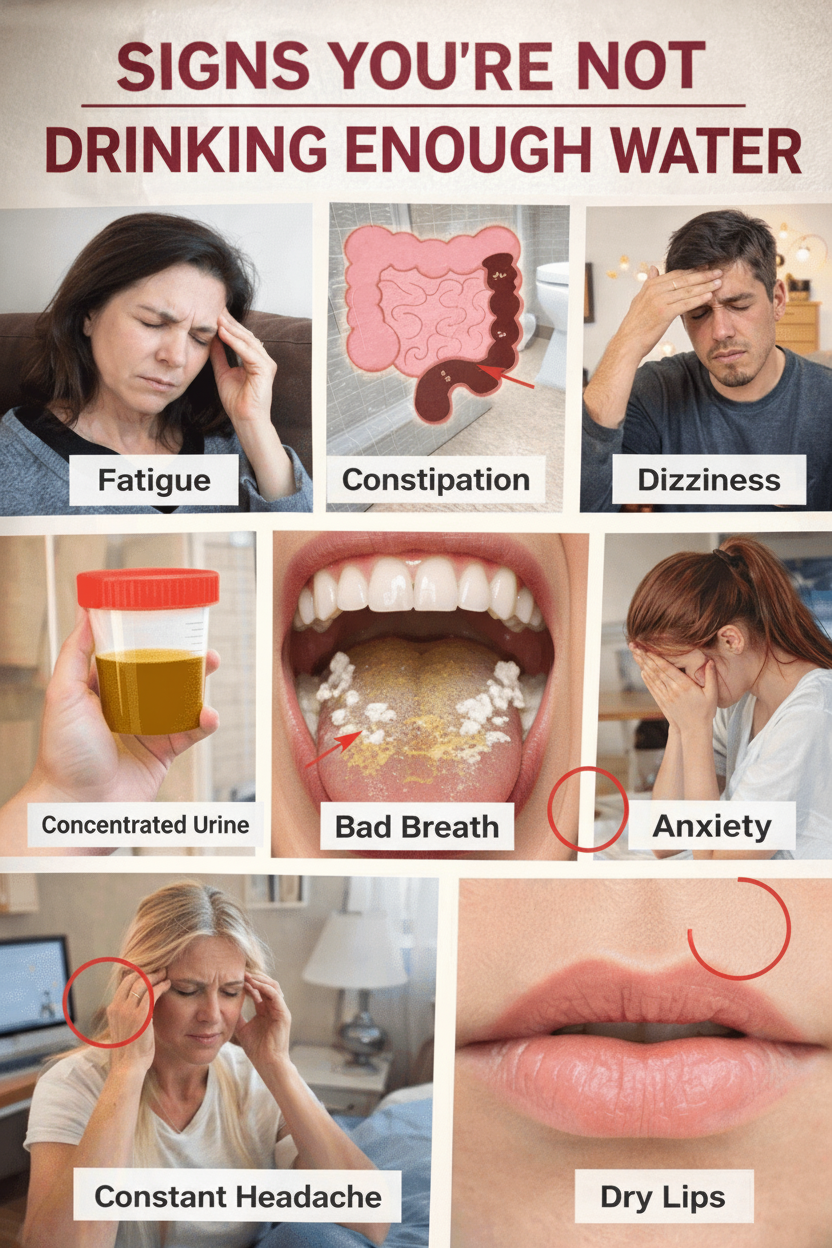
- Persistent Fatigue and Reduced Energy Levels Experiencing unusual tiredness or a general lack of vigor, even after adequate rest, is a primary indicator. Dehydration slightly diminishes blood volume, compelling your heart to work harder to circulate oxygen and vital nutrients, resulting in persistent exhaustion.
- Recurrent Headaches Research consistently demonstrates that even mild dehydration can precipitate headaches or intensify existing ones. The brain is highly sensitive to shifts in fluid balance, and insufficient water intake can manifest as tension or throbbing pain, which often subsides with improved hydration.
- Sudden Dizziness or Lightheadedness A feeling of wooziness or instability when rising quickly can be a sign. This occurs because reduced fluid levels can cause a temporary drop in blood pressure, hindering adequate blood flow to the brain.
- Darker Urine Color A highly reliable visual cue: if your urine appears dark yellow or amber rather than a pale straw color, it signifies that your body is actively conserving water. Strive for lighter shades as a simple, daily hydration check.
- Dry Mouth, Chapped Lips, or Halitosis (Bad Breath) A decrease in fluid intake leads to diminished saliva production, resulting in a sticky sensation in the mouth, cracked lips, and sometimes noticeable bad breath due due to reduced oral moisture.
- Constipation and Digestive Issues Water is crucial for maintaining a smooth-running digestive system. Insufficient water can cause stools to become hard and difficult to pass, leading to irregularity or bloating often mistakenly attributed solely to dietary factors.
- Dry Skin with Decreased Elasticity Your skin may feel less supple, and when gently pinched, it might take longer than usual to return to its original state (a simple elasticity test). While topical moisturizers offer external relief, consistent internal hydration is fundamental for optimal skin health.
- Impaired Concentration or Mood Swings Optimal brain function is dependent on a precise fluid balance. Even minor fluid deficiencies can trigger brain fog, heightened irritability, or difficulty sustaining focus—subtle cognitive effects that typically improve with consistent water consumption.
For a quick reference to help identify potential patterns, consider this concise comparison:
| Indicator | Common Sensation | Underlying Cause | Simple Assessment |
|---|---|---|---|
| Fatigue | Feeling lethargic, diminished vitality | Decreased efficiency in oxygen and nutrient transport | Do your energy levels consistently drop by late morning? |
| Dark Urine | Intensely yellow or amber hue | The body actively preserving fluid | Observe urine color upon waking each day. |
| Headache | Pulsating or tensional discomfort | Brain’s susceptibility to changes in fluid balance | Does the discomfort lessen after consuming water? |
| Dry Mouth/Lips | Sticky oral sensation, cracked lips | Reduced production of saliva | Does this sensation persist despite chewing gum or recent brushing? |
| Constipation | Hard, difficult-to-pass stools; abdominal unease | Insufficient water content within the digestive system | Does bowel regularity improve with increased fluid intake? |
It’s important to note that this list is not exhaustive, and severe symptoms such as confusion, disorientation, or a rapid heartbeat necessitate immediate medical consultation.
Understanding Your Daily Hydration Requirements
While precise recommendations for daily fluid intake can fluctuate significantly based on individual factors such as age, activity level, environmental climate, and overall health status, the general guidelines provided by organizations like the U.S. National Academies offer an excellent foundational benchmark:
- Approximately 15.5 cups (3.7 liters) of total fluid intake per day for adult men.
- Approximately 11.5 cups (2.7 liters) of total fluid intake per day for adult women.
It’s crucial to remember that this comprehensive fluid intake encompasses water from all sources, including plain drinking water, other beverages, and the significant contribution from water-rich foods like fruits and vegetables, which can account for roughly 20% of your daily needs. While plain water remains the optimal choice for hydration, other unsweetened beverages can also contribute positively.