 By admin
 Combatting Forward Head Posture: Essential Insights & Gentle Solutions for Those Over 60
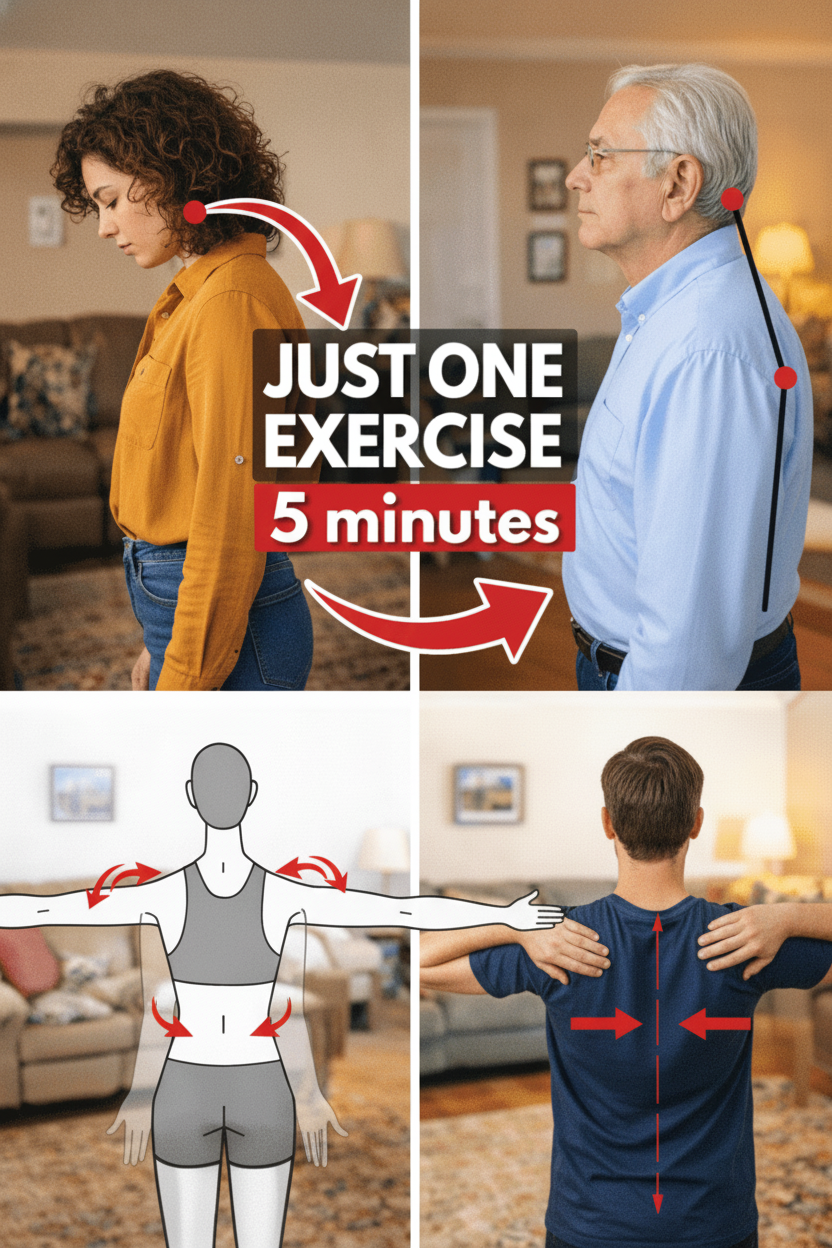
Forward head posture (FHP) is a common postural imbalance where the head protrudes forward, positioning itself ahead of the shoulders. This often develops over years due to sustained habits like looking down at screens, reading books, or performing detailed tasks. Musculoskeletal research consistently highlights that this misalignment significantly amplifies the stress on the neck muscles and upper spine, sometimes by several times the head’s average weight (which is typically around 10-12 pounds). Over time, this can lead to tightness in the muscles at the front of the neck and chest, while simultaneously weakening the crucial supporting muscles in the upper back.
For individuals in their 60s and beyond, the effects of FHP can become particularly pronounced. This is largely because natural physiological changes, such as shifts in muscle tone and a decrease in joint flexibility, are a normal part of the aging process. The encouraging news, however, is that incorporating gentle, consistent movement practices can foster improved body awareness and support natural spinal alignment without requiring strenuous effort.
The Gentle 4-Minute Routine to Support Better Posture
This accessible routine draws inspiration from simple, mindful practices often discussed by Japanese longevity experts, prioritizing slow and deliberate motions over high intensity. No specialized equipment is necessary – all you need is a comfortable standing or seated position. For optimal benefits, aim to integrate this routine into your daily schedule once or twice, perhaps as part of your morning or evening ritual. Dedicate approximately 1 minute to each step, remembering to breathe naturally and discontinue if you experience any discomfort.
Step 1: Mindful Chin Tuck Awareness (1 Minute)
Begin by standing or sitting tall, ensuring your shoulders are relaxed and your gaze is directed straight ahead. Gently draw your chin straight back towards your neck, creating a subtle ‘double chin’ effect, being careful not to tilt your head either up or down. Hold this refined position lightly for 3-5 seconds, focusing on the sensation of your neck lengthening at the back. Release the hold and repeat this movement slowly for 8-10 repetitions. This exercise is instrumental in activating the deep neck flexor muscles, which are vital for maintaining optimal head alignment and cervical spine health. Many individuals report an immediate feeling of openness and elongation in their upper spine after practicing this foundational movement.
Step 2: Shoulder Blade Squeeze with Arm Circles (1 Minute)
Maintain your upright posture and extend your arms out to your sides, roughly at shoulder height. If this elevation causes discomfort, you can lower your arms slightly. Gently engage your upper back by squeezing your shoulder blades together, envisioning that you’re holding a pencil between them. While sustaining this gentle squeeze, perform small backward circles with your arms, roughly the size of a dinner plate. Complete 10-15 slow circles, then reverse the direction for another set. This targeted exercise effectively engages the rhomboids and mid-trapezius muscles in the upper back, which are crucial for retracting the shoulders and supporting an erect stance. Research in posture training consistently underscores the importance of strengthening these areas to promote superior overall spinal alignment.
Step 3: Wall or Doorway Alignment Check with Gentle Lean (1 Minute)
Position yourself with your back against a wall or doorframe (if a wall isn’t available, simply imagine one). Ensure your heels, buttocks, upper back, and the back of your head are as close to the surface as comfortably possible, while maintaining a slight, natural curve in your lower back. Gently press your shoulders and the back of your head into the wall, simultaneously performing a light chin tuck. Hold this neutral alignment for 10-20 seconds, focusing on deep, steady breaths, then release. Repeat this sequence 4-5 times. This simple tactile feedback from the wall serves as a powerful reminder for your body of its ideal neutral alignment and helps to gently stretch the chest muscles that frequently become tight due to everyday habits.
Step 4: Full-Body Posture Reset with Arm Pull-Back (1 Minute)
Stand tall and clasp your hands behind your back. If reaching is difficult, you can hold a small towel between your hands. Gently pull your clasped arms downwards and backwards, simultaneously opening your chest and squeezing your shoulder blades together. If comfortable, gently tilt your head slightly back, looking towards the ceiling, but only to a point where you feel no strain. Hold this expansive position for 5-10 seconds, then release. Repeat this movement 6-8 times. This comprehensive exercise effectively combines the activation of upper back muscles with a gentle chest opening, actively encouraging a more balanced and centered head position directly over the shoulders.
Quick Comparison: Before and After Consistent Gentle Practice
| Aspect | Typical Forward Head Posture | After Consistent Gentle Practice |
|---|---|---|
| Head Position | Protruding forward of the shoulders | More harmoniously aligned over the spine |
| Neck Sensation | Often feels tight, strained, or achy | May feel more relaxed, elongated, and mobile |
| Shoulder Position | Rounded and slumped forward | Gently drawn back and down, open |
| Breathing Quality | Often feels shallower due to compressed chest | Deeper, fuller, and more expansive |
| Daily Energy | Can contribute to overall fatigue and discomfort | Supports improved comfort, mobility, and vitality |
Additional Tips to Maintain Optimal Alignment Every Day
- Postural Reminders: Utilize phone or computer reminders to perform a quick posture check every hour. A simple mental scan can make a big difference.
- Lumbar Support: When seated, place a small rolled towel or a dedicated lumbar pillow behind your lower back to maintain its natural curve and prevent slouching.
- Mindful Walking: Incorporate short walks throughout your day, consciously focusing on standing tall, engaging your core, and keeping your head balanced over your shoulders.
- Stay Hydrated: Adequate hydration is crucial for muscle function and joint lubrication, both of which are vital for maintaining good posture.
- Deep Breathing Integration: Combine your postural awareness with deep breathing exercises. Try inhaling deeply for 4 counts and exhaling slowly for 6 counts to calm your nervous system and promote relaxation, which can ease muscle tension.
Remember, when it comes to posture improvement, consistency consistently outperforms intensity. Many individuals who commit to this gentle routine begin to notice subtle yet significant improvements in how they stand, sit, and move within just a few weeks.
Conclusion: Small Daily Habits for Lasting Comfort and Mobility
Supporting better posture, especially after the age of 60, doesn’t necessitate dramatic overhauls or strenuous workouts. Instead, it thrives on the power of small, consistent daily habits. By understanding the mechanics of forward head posture and diligently applying these gentle, mindful movements, you can significantly enhance your spinal alignment, reduce discomfort, and reclaim a greater sense of ease and confidence in your body. Embrace these practices as an investment in your long-term well-being and enjoy the profound benefits of a more balanced and upright posture.