 By admin
 Nourishing Your Body: How Everyday Foods Impact Organ Health and Lifelong Wellness
In our fast-paced lives, it’s easy to overlook the profound connection between the foods we consume and the intricate workings of our internal organs. Many of us instinctively reach for favorite snacks and meals without a second thought. Yet, over time, certain dietary patterns, especially when involving large quantities of specific items, can place significant demands on vital bodily systems. You might experience subtle indicators like persistent fatigue, uncomfortable bloating, or a general dip in energy levels, leaving you to wonder about the underlying causes.
The encouraging news is that even minor, conscious adjustments to your eating habits can profoundly support your overall health and ensure your body operates optimally. This comprehensive guide will delve into how excessive intake of common food items can influence various organs, drawing on insights from scientific research. We’ll also provide practical, actionable steps you can implement starting today to foster better well-being.
The Critical Role of Daily Dietary Choices in Organ Health
Your body’s organs function in a remarkable symphony, continuously working to process nutrients, eliminate waste, and maintain essential internal balance. When certain eating behaviors become habitual – such as frequently opting for highly processed, sugary, or fried foods – they can gradually contribute to chronic stress on key systems, including the heart, liver, kidneys, and more. Extensive research, including studies from institutions like Harvard Medical School and comprehensive reviews in leading scientific journals, consistently highlights strong correlations between long-term dietary habits and organ function. These links are often mediated by mechanisms such as systemic inflammation or adverse metabolic changes.
However, understanding these connections isn’t meant to cause alarm but rather to empower. Awareness opens the door to adopting healthier, more sustainable habits that feel achievable and integrate seamlessly into your lifestyle.
Alcohol’s Impact: A Direct Line to Liver Health
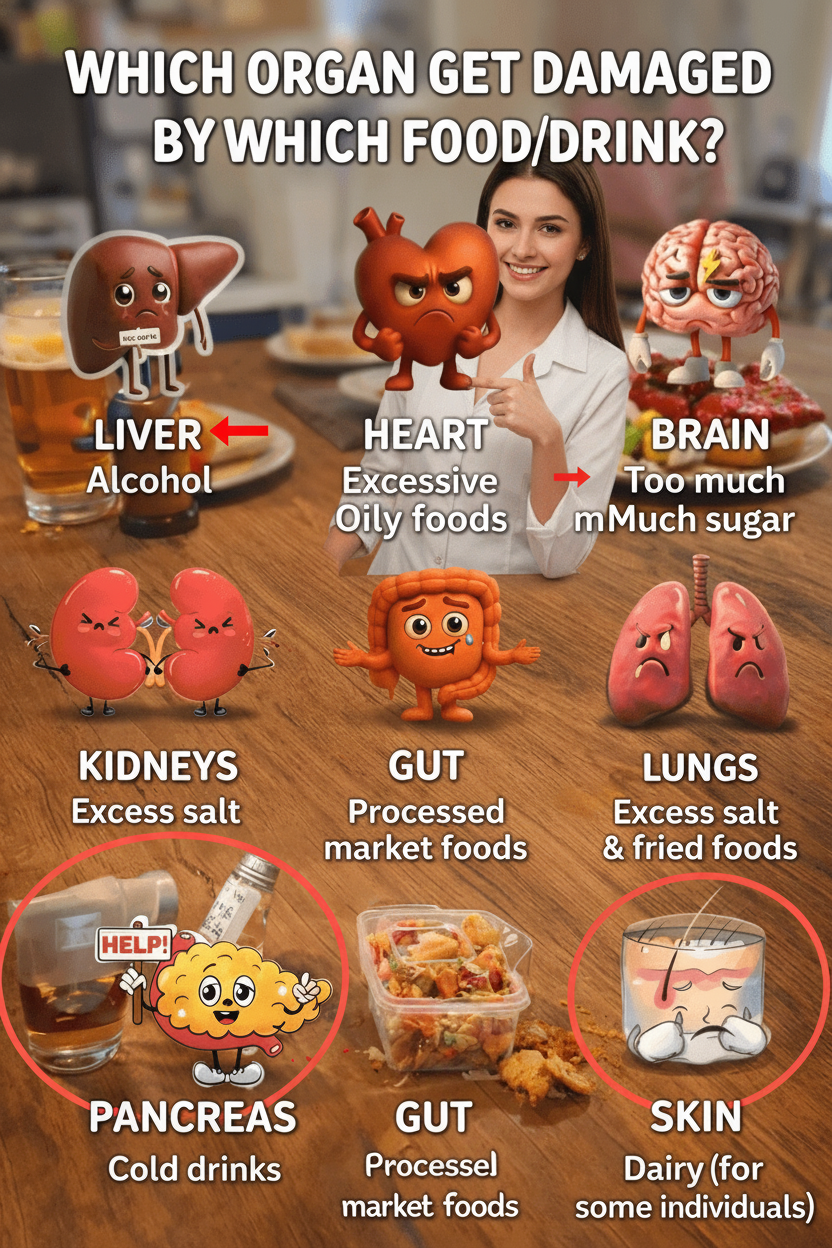
The liver stands as your body’s primary detoxification powerhouse, diligently breaking down everything you ingest. Chronic or excessive alcohol consumption can, over time, lead to an accumulation of fat within liver cells, trigger inflammatory responses, and in more severe cases, progress to serious conditions like fibrosis or cirrhosis. Numerous studies consistently underscore the substantial health risks associated with heavy or frequent drinking, even if consumption begins casually.
The key takeaway here is moderation. If you choose to consume alcohol, adhering to recommended intake guidelines is crucial. Many individuals also find immense benefit in exploring the growing variety of refreshing non-alcoholic beverage alternatives.
Unhealthy Fats: The Strain on Your Heart
Foods rich in unhealthy fats, particularly those from deep-frying processes or overly greasy preparations, can significantly elevate levels of ‘bad’ (LDL) cholesterol. This often leads to the gradual buildup of plaque within your arteries, a condition known as atherosclerosis. Consequently, your heart is forced to work harder over the years, potentially resulting in elevated blood pressure and increased cardiovascular strain. Research from organizations like the American Heart Association emphasizes how these detrimental fats contribute to inflammation and adverse changes in blood vessel structure.
Here are practical strategies to mitigate this risk:
- Choose Healthier Cooking Methods: Opt for baking, grilling, roasting, or steaming instead of deep-frying.
- Incorporate Beneficial Fats: Select healthy fats found in avocados, nuts, seeds, and olive oil, always consumed in moderate quantities.
- Scrutinize Food Labels: Be vigilant for hidden trans fats and excessive saturated fats in packaged and processed food items.
Excess Sugar: Disrupting Brain Function and Mood
While your brain requires a steady supply of energy, an overload of added sugars – prevalent in sodas, candies, pastries, and many processed foods – can severely disrupt this delicate balance. Scientific investigations, including those conducted at esteemed institutions like UCLA and Harvard, have linked high sugar intake to a range of cognitive issues. These include experiencing ‘brain fog,’ noticeable shifts in mood, and potential long-term concerns affecting memory areas and promoting neural inflammation.
Interestingly, the brain thrives on stable glucose levels, not dramatic spikes. Gradually reducing your sugar intake can help many individuals experience improved mental clarity, enhanced focus, and a more balanced emotional state.
High Sodium: A Burden on Your Kidneys and Cardiovascular System
Elevated sodium levels, commonly found in processed snacks, restaurant meals, and simply from adding too much table salt, compel your kidneys to work considerably harder to maintain the body’s crucial fluid balance. Over time, this sustained effort can contribute to the development of high blood pressure, thereby placing undue stress on both your kidneys and your heart. Evidence from respected health authorities such as the Mayo Clinic clearly demonstrates how excessive salt intake leads to fluid retention and detrimental changes in blood vessel function.
Simple tips to reduce your sodium intake:
- Flavor Naturally: Enhance the taste of your meals with a variety of herbs, spices, fresh lemon juice, or garlic instead of relying on salt.
- Rinse Canned Goods: Thoroughly rinse canned vegetables and beans to remove a significant portion of added sodium.
- Prioritize Whole Foods: Whenever possible, choose fresh, unprocessed ingredients, which are naturally lower in sodium.
Processed Foods: The Silent Threat to Gut Health
Ultra-processed items – ranging from ready-to-eat meals and snack chips to sugary breakfast cereals – are often characterized by a lack of beneficial fiber, while simultaneously being laden with artificial additives, excessive sugars, and unhealthy fats. Extensive reviews, including those published in prestigious journals like The Lancet, strongly associate a high intake of these foods with significant shifts in the balance of gut bacteria, a reduction in microbial diversity, and potential inflammatory responses within the digestive tract.
However, there’s a positive path forward: actively increasing your consumption of whole foods such as fruits, vegetables, legumes, and fermented options can profoundly support a healthier and more resilient gut microbiome.
Fried Foods and Salt: Beyond the Heart, Towards Lung Comfort
Beyond their well-known impact on cardiovascular health, fried items and diets high in salt can contribute to systemic inflammation throughout the body. This widespread inflammation may, in turn, affect respiratory ease and lung comfort, particularly in sensitive individuals. Some research indicates that free radicals generated during high-temperature frying, alongside the fluid retention effects of excessive salt, can be contributing factors to respiratory strain and reduced lung efficiency.
Sugary Beverages: Stressing Your Pancreas
Frequent consumption of sugary sodas, sweetened juices, and other cold beverages loaded with added sugars places a considerable burden on your pancreas. This vital organ is responsible for producing insulin, the hormone that regulates blood sugar levels. When constantly bombarded with high sugar loads, the pancreas can become overtaxed, leading to impaired insulin production or insulin resistance over time. This chronic stress significantly increases the risk of developing serious metabolic conditions, including type 2 diabetes.
Making Informed Choices for a Healthier You
Understanding how your daily food choices resonate throughout your body’s complex systems is the first step towards lasting wellness. By making conscious, incremental changes – opting for whole foods, moderating intake of detrimental items, and embracing diverse, nutrient-rich ingredients – you can actively support your organs, enhance your energy levels, and pave the way for a healthier, more vibrant life. Your body is a testament to your choices; nourish it wisely.