 By admin
 Unmasking the Silent Threat: 9 Surprising Signs of High Blood Pressure You Can’t Afford to Miss
High blood pressure, medically known as hypertension, has earned the ominous moniker “the silent killer” for a chilling reason: it often progresses without any noticeable symptoms. Millions worldwide are living with this condition, completely unaware that the constant, elevated force against their artery walls is quietly inflicting damage on vital organs like the heart, brain, kidneys, and eyes. Many individuals only discover their elevated blood pressure during routine medical examinations or when a more severe health crisis emerges. The truly alarming aspect is that by the time overt symptoms manifest, the condition may have already advanced to a critical stage.
However, there’s a powerful silver lining: proactive awareness of your body’s signals and consistent health check-ups can dramatically alter this trajectory. In this comprehensive guide, we will delve into potential indicators that scientific research links to heightened blood pressure levels. We’ll clarify their significance and outline actionable strategies you can implement starting today to safeguard your health. Make sure to read until the very end – we’ll reveal an everyday habit that numerous studies suggest is frequently overlooked, yet can profoundly contribute to healthier blood pressure regulation.
Why Hypertension is Called the “Silent Killer”
The vast majority of individuals living with high blood pressure experience no discernible changes in how they feel. Leading health authorities, including the Mayo Clinic and the American Heart Association, underscore that symptoms are exceedingly rare unless blood pressure levels surge to dangerously high thresholds, often exceeding 180/120 mmHg. This critical lack of early warning signs is precisely why consistent blood pressure monitoring is not just recommended, but essential – it remains the only reliable method for early detection and intervention.
While extremely high blood pressure can sometimes trigger noticeable physical changes, it’s crucial to understand that these signs are rarely exclusive to hypertension. Common complaints like headaches or dizziness, for instance, can arise from a multitude of factors, ranging from everyday stress to simple dehydration. Nevertheless, if these symptoms occur frequently or without obvious explanation, it serves as a strong impetus to have your blood pressure checked. Research consistently demonstrates that early detection and effective management of hypertension significantly reduce the risks of serious cardiovascular events, including heart disease, stroke, and kidney failure.
Potential Warning Signs to Watch For
Below are some indicators that medical experts and research suggest can sometimes accompany elevated blood pressure, particularly when the condition is severe or has been long-standing. It is imperative to remember that these are potential clues, not definitive diagnoses. Always consult a qualified healthcare professional for an accurate evaluation and personalized medical advice.
-
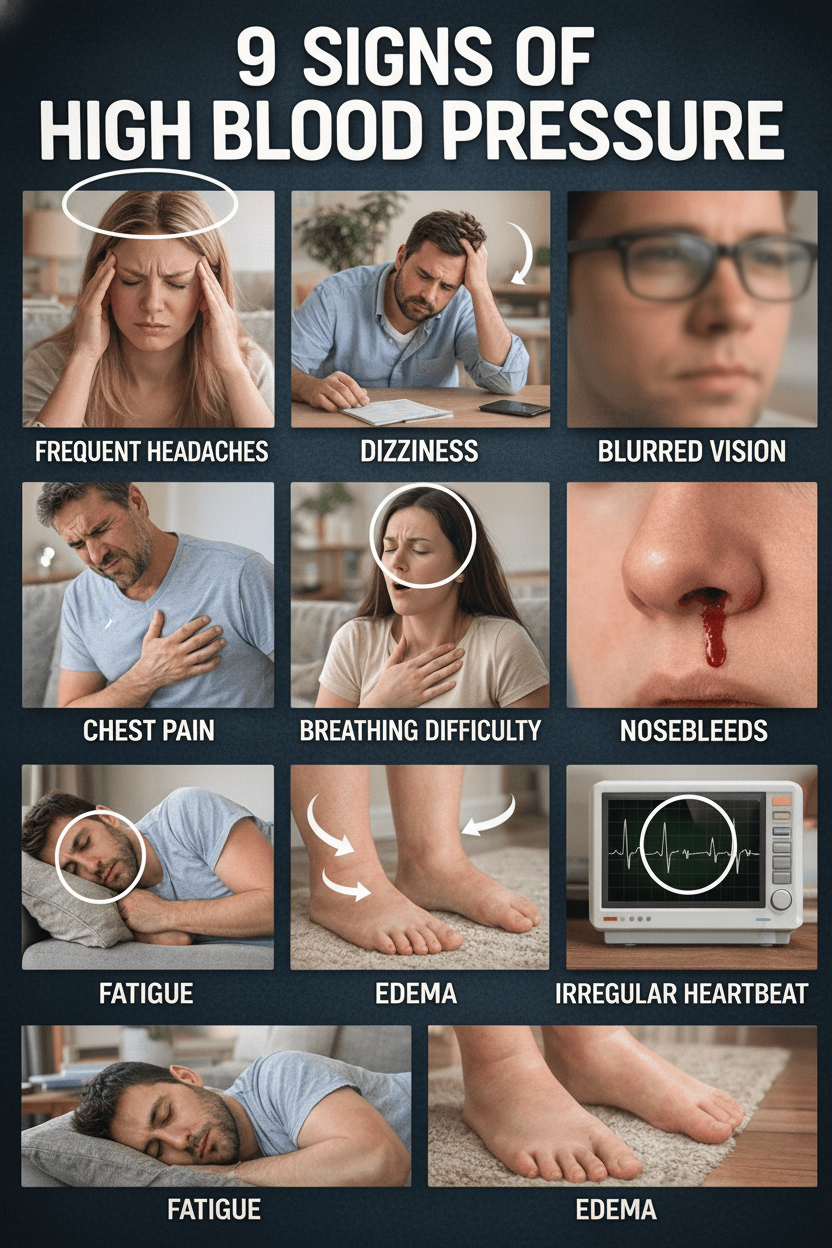
Frequent Headaches
Many individuals with rising blood pressure levels report experiencing headaches, often described as a throbbing sensation at the back of the head, particularly in the morning. Studies indicate a possible link between these headaches and nocturnal blood pressure spikes. If you find yourself grappling with recurrent headaches without a clear underlying cause, consistently monitoring your blood pressure readings is highly advisable.
-
Dizziness or Lightheadedness
A sensation of unsteadiness, especially when transitioning quickly from a sitting or lying position to standing, might subtly signal reduced blood flow to the brain – a potential consequence of sustained high pressure. While often subtle, this symptom is frequently noted in reports from various health organizations as something to be mindful of.
-
Blurred Vision or Vision Changes
Sudden instances of blurred vision, double vision, or the appearance of “floaters” or spots in your field of vision can occur if the delicate blood vessels within the eyes are affected by high blood pressure. The American Heart Association specifically identifies acute vision disturbances as a critical red flag, particularly in cases of a hypertensive crisis, warranting immediate medical attention.
-
Chest Pain or Discomfort
A feeling of pressure, tightness, or discomfort in the chest area could indicate that your heart is working excessively hard to pump blood against elevated resistance. This symptom should never be ignored. If accompanied by other concerning signs such as shortness of breath, pain radiating to the arm, or sweating, seek emergency medical assistance without delay.
-
Shortness of Breath
Unexplained difficulty breathing, even during minimal physical exertion or light activity, can be a sign that the heart is under strain. This symptom becomes particularly concerning if it worsens when you lie down, as it may suggest fluid accumulation around the lungs due to impaired heart function associated with hypertension.
-
Nosebleeds
While nosebleeds are not exclusively linked to high blood pressure and can have many causes, frequent, severe, or difficult-to-stop nosebleeds have been observed in conjunction with very high blood pressure readings, as highlighted by sources like the World Health Organization. If you experience recurrent nosebleeds, checking your blood pressure is a prudent step.
-
Fatigue or Unusual Tiredness
Feeling persistently exhausted or unusually drained without an apparent reason could be related to your heart expending extra effort to circulate blood, or it might point to compromised circulation. Many individuals describe this as a constant state of low energy that doesn’t improve with rest.
-
Swelling in Legs, Ankles, or Feet (Edema)
The accumulation of fluid, known as edema, often manifesting as puffiness in the lower extremities, can occur when high blood pressure begins to impair kidney function or affects the body’s circulatory efficiency. Look for swelling that leaves an indentation when pressed firmly.
-
Irregular Heartbeat or Palpitations
Sensations of a fluttering, racing, pounding, or skipped heartbeats (palpitations) can be an indication that the heart is attempting to compensate for the increased workload imposed by high blood pressure. It’s important to monitor how often these occur and discuss them with your doctor.
It’s vital to reiterate that these signs often overlap with symptoms of various other health conditions. Therefore, they serve as prompts for further investigation, not as definitive diagnoses of hypertension.
Quick Comparison: Common Myths vs. Facts About High Blood Pressure Signs
Separating fact from fiction is crucial when it comes to understanding hypertension. Let’s debunk some prevalent misconceptions:
-
Myth: Everyone with high blood pressure experiences clear symptoms like headaches and nosebleeds.
Fact: The overwhelming majority of people with high blood pressure exhibit no symptoms at all, which is precisely why it’s dubbed “the silent killer.” Relying on symptoms to detect it is a dangerous gamble.
-
Myth: If you feel perfectly fine, your blood pressure must be normal.
Fact: Internal damage from hypertension can accumulate silently over years without any outward signs. Regular blood pressure checks are absolutely essential, even if you feel healthy.
-
Myth: High blood pressure is only a concern for older individuals.
Fact: While prevalence increases with age, hypertension can affect people of all ages, including younger adults and even children, due to various lifestyle and genetic factors.
Simple, Actionable Steps You Can Take Now to Support Healthy Blood Pressure
You don’t need to implement radical lifestyle overhauls to begin managing your blood pressure effectively. Here are practical, evidence-backed strategies you can start today:
-
Monitor at Home Regularly
Invest in a reliable, validated home blood pressure monitor. Check your readings weekly at the same time each day, ensuring you are relaxed and your arm is supported at heart level. Keep a detailed log of your measurements to identify any patterns or trends to share with your healthcare provider.
-
Incorporate More Physical Activity
Aim for at least 30 minutes of moderate-intensity aerobic exercise, such as brisk walking, on most days of the week. Studies consistently show that even modest increases in daily activity can significantly contribute to maintaining healthier blood pressure levels and improving overall cardiovascular fitness.
-
Prioritize a Heart-Healthy Diet
Focus on a diet rich in fruits, vegetables, whole grains, and lean proteins. Limit your intake of saturated and trans fats, cholesterol, and added sugars. The DASH (Dietary Approaches to Stop Hypertension) diet is an excellent framework to follow for blood pressure management.
-
Reduce Sodium Intake
Excess sodium can significantly raise blood pressure in many individuals. Aim to reduce processed foods, read food labels carefully, and season your meals with herbs and spices instead of salt. The American Heart Association recommends no more than 2,300 mg of sodium per day, ideally aiming for 1,500 mg for most adults.
-
Manage Stress Effectively
Chronic stress can contribute to elevated blood pressure. Incorporate stress-reduction techniques into your daily routine, such as meditation, deep breathing exercises, yoga, spending time in nature, or engaging in hobbies you enjoy.
-
Limit Alcohol Consumption
Excessive alcohol intake can raise blood pressure. If you drink alcohol, do so in moderation: up to one drink per day for women and up to two drinks per day for men.
-
Maintain a Healthy Weight
Losing even a small amount of weight if you are overweight or obese can have a significant positive impact on your blood pressure. Work towards a healthy weight through a combination of diet and exercise.
-
Prioritize Quality Sleep
This is the often-overlooked habit! Consistent lack of adequate, restorative sleep can negatively impact blood pressure regulation. Aim for 7-9 hours of quality sleep per night. Establish a regular sleep schedule, create a comfortable sleep environment, and avoid caffeine and screens before bedtime to support healthier blood pressure and overall well-being.