 By admin
 The ‘Second Heart’: Why Your Calf Muscles Are Vital for Blood Circulation and Overall Health
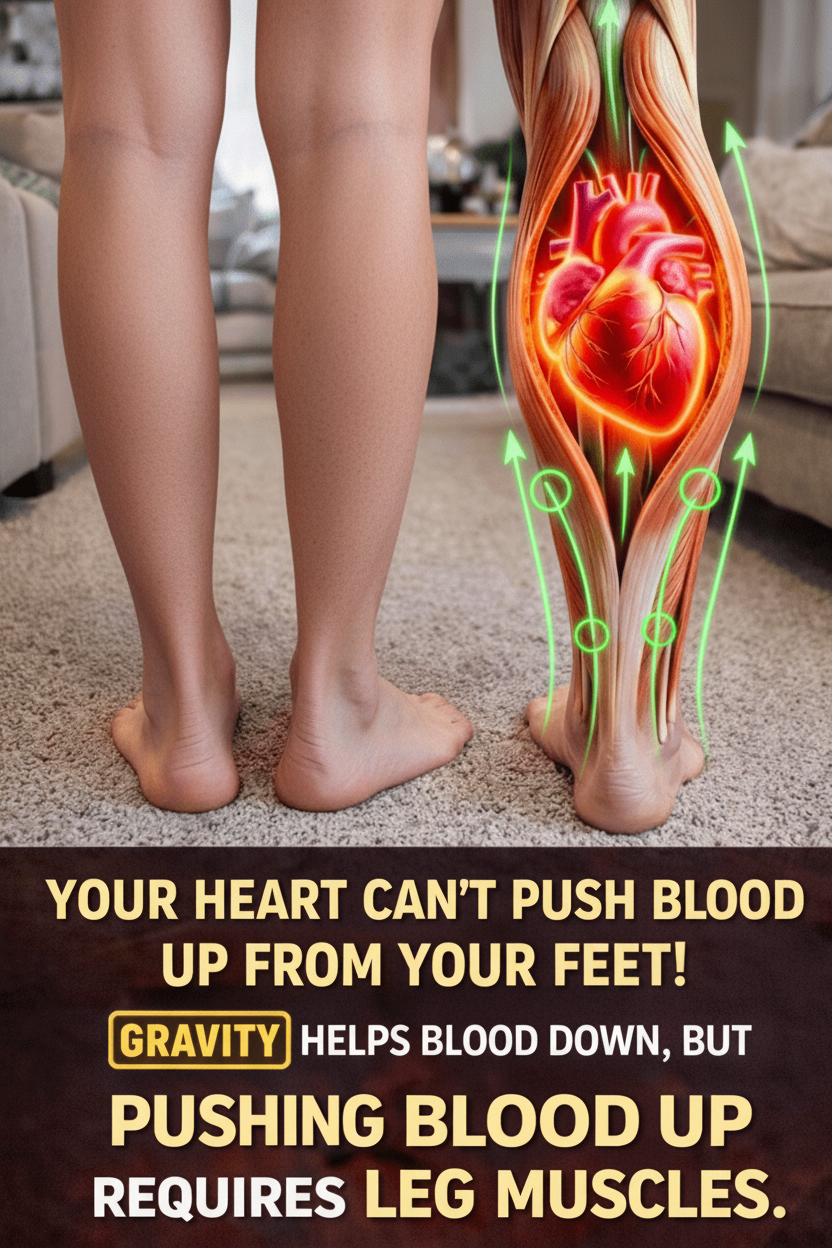
While your heart tirelessly pumps oxygen-rich blood downwards through your arteries, gravity acts as a helpful ally. However, the journey back for deoxygenated blood, traveling upwards from your feet and legs, presents a significant challenge. This is precisely where your often-underestimated calf muscles step in, earning them the crucial nickname: your body’s “second heart.”
The primary calf muscles, the gastrocnemius and soleus, function as a sophisticated natural pump. When these muscles contract – a common occurrence during everyday activities like walking, running, or even just standing – they exert pressure on the deep veins nestled within your lower legs. This compression, combined with a network of one-way valves inside the veins, ensures that blood is efficiently propelled towards the heart, preventing any backflow. Research on venous return consistently emphasizes that this skeletal muscle pump is a fundamental component for maintaining robust and efficient circulation, especially when you’re active. Without regular activation, blood can stagnate in the lower extremities, leading to discomfort and reduced circulatory efficiency.
The Impact of Sedentary Lifestyles on Leg Circulation
In our increasingly sedentary world, prolonged periods of sitting or inactivity can significantly diminish the effectiveness of this vital calf pump. When your calf muscles remain relaxed for extended durations, the essential compression needed to move blood efficiently through your veins is absent. Over time, this can manifest as feelings of heaviness, persistent fatigue in the legs, or even noticeable swelling. Extensive research has drawn clear links between extended sedentary time and detrimental changes in both blood flow dynamics and muscle function within the lower limbs.
The encouraging news is that you don’t need high-intensity workouts to counteract these effects. Even small, consistent movements throughout your day can effectively activate the calf pump, thereby fostering superior venous return and overall leg health.
Understanding the Science Behind the Calf Muscle Pump
The physiological mechanics of the calf muscle pump are remarkably efficient. During muscle contraction, the pressure within the deep veins of the calves rises considerably, forcefully expelling blood upwards. As the muscles then relax, the veins are allowed to refill, preparing for the next pumping cycle. This ingenious mechanism, working in concert with respiratory influences and the one-way venous valves, significantly enhances overall venous return to the heart. This action, in turn, reduces the workload on your heart by improving ‘preload’ – the volume of blood returning to the heart before it contracts. Experts in cardiovascular biomechanics underscore that actively engaged leg muscles provide critical hydraulic assistance, which is indispensable not only for optimal circulation but also for broader metabolic health.
Simple Strategies to Activate Your “Second Heart” Daily
Integrating simple, effective movements into your daily routine can make a substantial difference in supporting your calf muscle pump:
- Morning Heel Raises: Start your day by standing with your feet hip-width apart. Slowly elevate yourself onto your toes, holding the peak contraction for about two seconds, then gently lower your heels. Perform three sets of 15 repetitions. This exercise directly targets both the gastrocnemius and soleus muscles.
- Full-Foot Power Walking: When walking, consciously focus on a deliberate heel-to-toe rolling motion. This technique maximizes the activation of your soleus muscle, promoting a rhythmic and powerful pumping action.
- Desk or Sitting Breaks: Every 30-60 minutes, while seated, lift your heels off the floor 10–15 times. Keep your toes grounded for a gentle yet effective calf contraction.
- Stay Hydrated and Balanced: Adequate hydration is crucial for muscle function. Additionally, ensuring a balanced intake of electrolytes, particularly magnesium and potassium, supports the optimal efficiency of muscle contractions.
These low-effort habits can significantly contribute to maintaining superior blood flow and comfort throughout your day.
Key Benefits of Maintaining Active Calves
Regularly engaging your calf muscles offers a multitude of health advantages:
- Supports highly efficient venous return, ensuring blood flows correctly.
- Helps alleviate leg fatigue and discomfort often associated with prolonged inactivity.
- Contributes significantly to overall cardiovascular efficiency and well-being.
- Enhances comfort, especially during extended periods of sitting or standing.
Numerous studies consistently demonstrate that consistent leg muscle activity positively impacts circulation, and stronger calves are frequently correlated with improved functional outcomes across various health metrics.
Debunking Common Myths About Leg Circulation
Misconceptions about blood circulation are prevalent. Let’s clarify a few:
- Myth: Only the heart is responsible for blood movement.
Reality: While the heart is the primary pump, the calf muscle pump acts as a proven, indispensable partner in facilitating blood’s return journey. - Myth: Exercise must be strenuous to benefit circulation.
Reality: Even gentle, consistent contractions of your calf muscles can make a profound difference in improving blood flow.
Frequently Asked Questions (FAQ)
How often should I perform calf exercises for circulation support?
Aim for short, frequent sessions throughout the day. If you have a sedentary job, try dedicating 2-3 minutes every hour to calf movements. Supplement this with a more focused routine in the morning.
Can weak calves affect how my legs feel after sitting all day?
Absolutely. Reduced pumping activity due to inactivity can lead to blood pooling in the lower legs, resulting in feelings of heaviness, discomfort, and fatigue. Regular movement is key to counteracting these sensations.
Is walking sufficient to keep the calf pump working effectively?
Regular walking, particularly with a proper heel-to-toe motion, is an excellent way to engage your calf pump. However, incorporating targeted heel raises can further boost this effect, especially if your daily routine involves significant periods of sitting.
Disclaimer: This article is intended for informational purposes only and should not be considered medical advice. Always consult a healthcare professional before initiating any new exercise regimen, particularly if you have pre-existing health conditions.