 By admin
 Unlocking Radiance: A Smart Guide to Incorporating Lemon into Your Skincare Routine
Many individuals grapple with a dull, uneven skin tone, a common concern stemming from daily exposure to environmental aggressors like sun and pollution, compounded by the stresses of modern life. This often leaves the complexion looking tired and lacking vitality. The frustration often escalates after trying numerous skincare products that promise quick fixes but frequently fall short, sometimes even leaving skin feeling dry or irritated.
However, an accessible kitchen staple—fresh lemon—offers natural properties that can contribute to a more radiant appearance when integrated thoughtfully into DIY skincare routines. The key lies in understanding how to harness its benefits safely, as there’s one particular approach that could significantly enhance your results.
Why Lemon is a Sought-After Ingredient in Skincare
Lemon is widely recognized for its rich content of vitamin C, a potent antioxidant. Research consistently highlights vitamin C’s crucial role in supporting healthy collagen production and safeguarding the skin from oxidative stress, which can accelerate aging. Studies, particularly those examining citrus compounds, suggest that vitamin C effectively promotes a brighter-looking complexion by assisting the skin’s natural renewal processes. Additionally, lemon contains citric acid, a mild alpha hydroxy acid (AHA) known for its potential to gently exfoliate dead skin cells, revealing a smoother, more refined skin texture.
Despite these promising natural benefits, a crucial consideration is lemon’s high acidity (typically pH 2-3). Direct, undiluted application can sometimes be counterproductive, leading to issues like excessive dryness, irritation, or increased photosensitivity. The true value of lemon in skincare is unlocked through smart application—meaning it should be diluted, combined with soothing ingredients, or even consumed internally to support skin health from within.
Key Ways Lemon Can Enhance Healthier-Looking Skin
Dermatological insights and scientific research underscore several potential advantages when lemon is incorporated judiciously into a skincare regimen:
- Powerful Antioxidant Support: The vitamin C found in lemons actively helps neutralize free radicals, which are unstable molecules linked by studies to premature skin aging and damage.
- Gentle Exfoliation: Citric acid can aid in the gentle removal of dull, superficial skin cells, fostering a fresher, more vibrant complexion.
- Oil Balance for Blemish-Prone Skin: Lemon’s natural astringent properties can temporarily help to minimize excess oil production, potentially reducing the appearance of enlarged pores and managing blemish concerns.
- Potential for Brightening: Some evidence indicates that controlled application may offer mild effects on evening skin tone by influencing melanin activity.
- Internal Hydration Boost: Consuming lemon water supports overall bodily hydration, a fundamental requirement for achieving plump, supple, and glowing skin.
Further scientific exploration, such as studies on lemon peel polyphenols, has demonstrated protective effects against oxidative damage within skin cells. Moreover, animal research suggests that regular consumption of citrus blends, including lemon, may contribute to reduced wrinkle formation and enhanced collagen support.
Essential Safety Precautions Before Using Lemon on Your Skin
Prioritizing skin health is paramount when considering natural ingredients like lemon. Always adhere to these critical safety guidelines:
- Never apply undiluted lemon juice directly to your skin. Its high acidity can cause irritation, redness, and significantly increase photosensitivity, leading to sunburns or hyperpigmentation when exposed to sunlight.
- Always perform a patch test. Before applying any lemon-based mixture to your face, test a small, diluted amount on an inconspicuous area, such as your inner arm. Wait 24 hours to observe for any adverse reactions.
- Use broad-spectrum sunscreen daily. Citrus ingredients can heighten your skin’s sensitivity to UV radiation, making sun protection non-negotiable.
- Avoid using lemon if you have sensitive, broken, or extremely dry skin. These skin types are more vulnerable to irritation and damage from acidic ingredients.
- Limit usage frequency. To prevent over-exfoliation or irritation, incorporate lemon treatments into your routine no more than 1-2 times per week.
Dermatologists frequently advise opting for professionally formulated vitamin C products or highly diluted natural forms to ensure safer and more consistent results.
5 Simple DIY Skincare Recipes Featuring Lemon
Here are practical and safe methods to integrate lemon into your beauty regimen. Remember to always dilute lemon juice and follow up with a nourishing moisturizer after each treatment.
1. Lemon-Honey Brightening Mask
Combine 1 teaspoon of fresh lemon juice with 1 tablespoon of raw honey. Honey is renowned for its soothing and hydrating properties, complementing lemon’s brightening effects while offering antimicrobial benefits. Apply this mixture to a clean face, leave on for 10-15 minutes, then rinse thoroughly with lukewarm water. Use 1-2 times weekly for a gentle, luminous glow.
2. Lemon and Yogurt Exfoliating Treatment
Mix 1 teaspoon of lemon juice with 2 tablespoons of plain, unsweetened yogurt. The lactic acid naturally present in yogurt acts as a buffer, mitigating the lemon’s acidity. Gently massage the mixture onto your skin for about 10 minutes, then rinse. This treatment is excellent for promoting a smoother skin texture.
3. Lemon Water for an Inner Radiance Boost
Kickstart your day by squeezing half a fresh lemon into a glass of warm water each morning. This simple practice not only aids in hydration but also delivers vital vitamin C systemically, supporting healthy, glowing skin from the inside out. A touch of honey can be added for taste, if desired.
4. Diluted Lemon Toner
Create a refreshing toner by mixing equal parts fresh lemon juice with either rose water or plain distilled water. After cleansing, gently dab the solution onto your face using a cotton pad, being careful to avoid the eye area. Always follow with your preferred moisturizer. This toner can be particularly beneficial for balancing oily skin types.
5. Lemon-Sugar Gentle Scrub
Prepare a mild exfoliating scrub by blending 1 teaspoon of lemon juice with 1 tablespoon of fine sugar and a small amount of olive oil. On damp skin, gently massage the scrub in circular motions for approximately one minute, then rinse thoroughly. This recipe offers mild exfoliation without being overly abrasive.
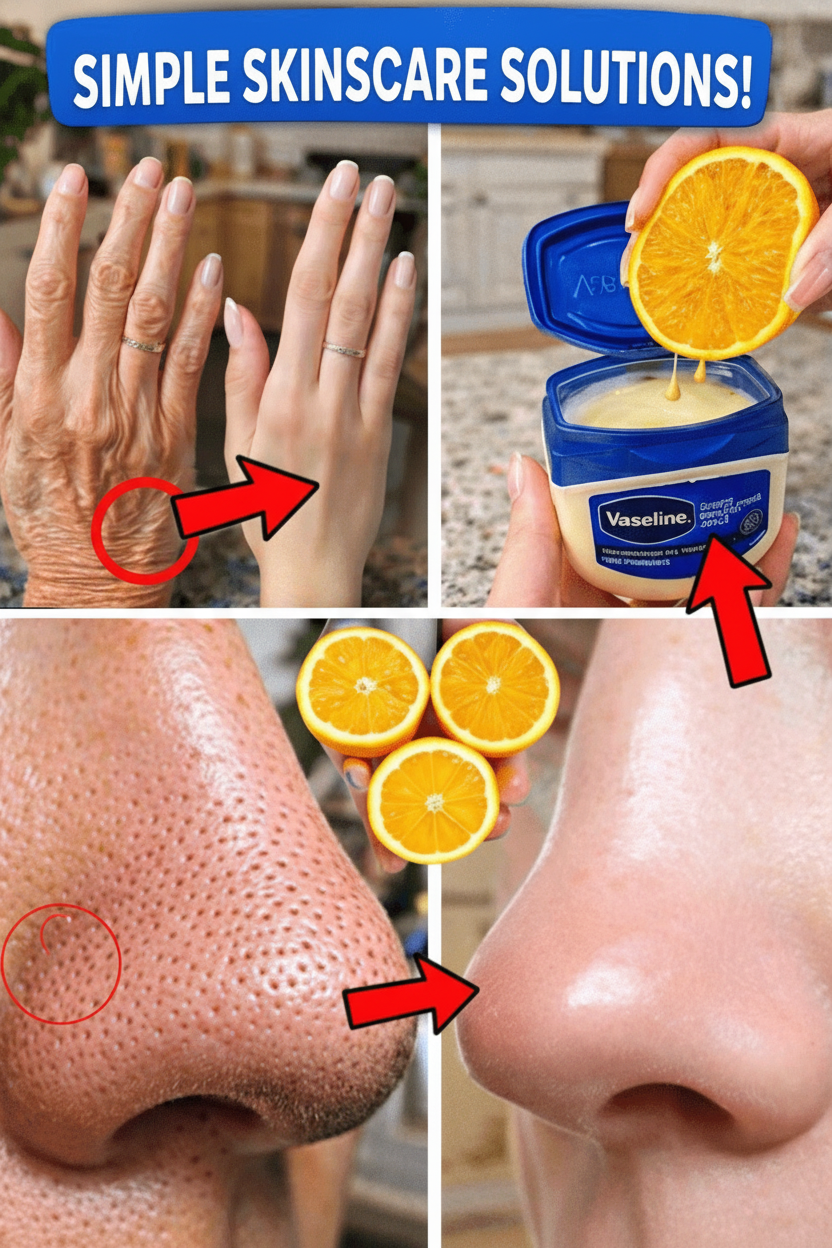
As a bonus tip, for particularly dry or rough areas of skin, such as elbows or heels, consider applying a thin layer of petroleum jelly after a very diluted lemon application to create a protective barrier and lock in moisture. However, always ensure the lemon is extremely diluted and perform a patch test first.