 By admin
 It’s common for women to navigate their daily routines unaware that subtle shifts in their bodies might be critical indicators of a serious health issue, such as cervical cancer. Frequently associated with persistent human papillomavirus (HPV) infection, this condition often progresses silently during its initial phases, presenting few, if any, discernible symptoms. By the time more pronounced cervical cancer symptoms become apparent, the disease may have advanced.
This highlights the paramount importance of attentive body awareness and consistent engagement with routine health screenings. Early detection, often achieved through regular Pap tests or HPV screening, can dramatically alter outcomes. The empowering news is that understanding potential warning signs equips you to seek timely medical advice. In this comprehensive guide, we’ll explore nine common yet frequently missed indicators, drawing insights from reputable health organizations like the American Cancer Society, Mayo Clinic, and the CDC. Continue reading to learn what to monitor and proactive steps you can implement today.
Why Vigilance Matters: The Silent Threat of Cervical Cancer
Cervical cancer doesn’t always manifest with overt symptoms in its nascent stages. Extensive research indicates that many women experience no symptoms whatsoever during the early phases, which underpins the strong recommendations from health authorities for regular cervical screenings, typically commencing around age 21. As cellular changes advance, certain patterns might emerge that are easily dismissed as typical menstrual irregularities, stress-induced reactions, or minor infections.
The encouraging aspect? Recognizing these subtle changes early and discussing them promptly with a healthcare provider can facilitate crucial, timely evaluations. Organizations such as the Mayo Clinic emphasize that while prominent symptoms often appear later, adopting a proactive approach to your health significantly helps in identifying concerns before they escalate. But there’s more to understand – let’s explore the specific signs.
-
Unusual Vaginal Bleeding
One of the most commonly reported and critical changes is vaginal bleeding that deviates from your normal menstrual cycle. This can manifest as spotting between periods, bleeding following sexual intercourse, or any unexpected bleeding post-menopause. The American Cancer Society consistently identifies abnormal vaginal bleeding as a key indicator for many women. Even light spotting warrants attention, particularly if it’s a new or persistent occurrence. Do not disregard it as a minor, isolated incident – diligently tracking your menstrual cycle can help you quickly identify any concerning patterns.
-
Changes in Vaginal Discharge
While normal vaginal discharge varies, sudden and noticeable alterations – such as it becoming unusually watery, significantly heavier, pinkish, brownish, or developing a strong, foul odor – should prompt concern. The Cleveland Clinic highlights that discharge containing blood or occurring outside your regular cycle could be a potential sign. If you observe a persistent change that doesn’t resolve within a few days, it is prudent to mention it during your next medical check-up. Many women attribute such changes to everyday factors, but consistent monitoring is vital.
-
Pain During or After Intercourse (Dyspareunia)
Experiencing discomfort or pain during or after sexual intimacy (known medically as dyspareunia) is not a symptom to be casually dismissed as a normal part of life. Esteemed sources like Harvard Health suggest that this can signify irritation or underlying changes within the cervical area. This particular symptom often develops gradually, leading some women to inadvertently adapt to it over time. Paying close attention to when and how this pain occurs can provide invaluable information for your doctor.
-
Persistent Pelvic or Lower Back Pain
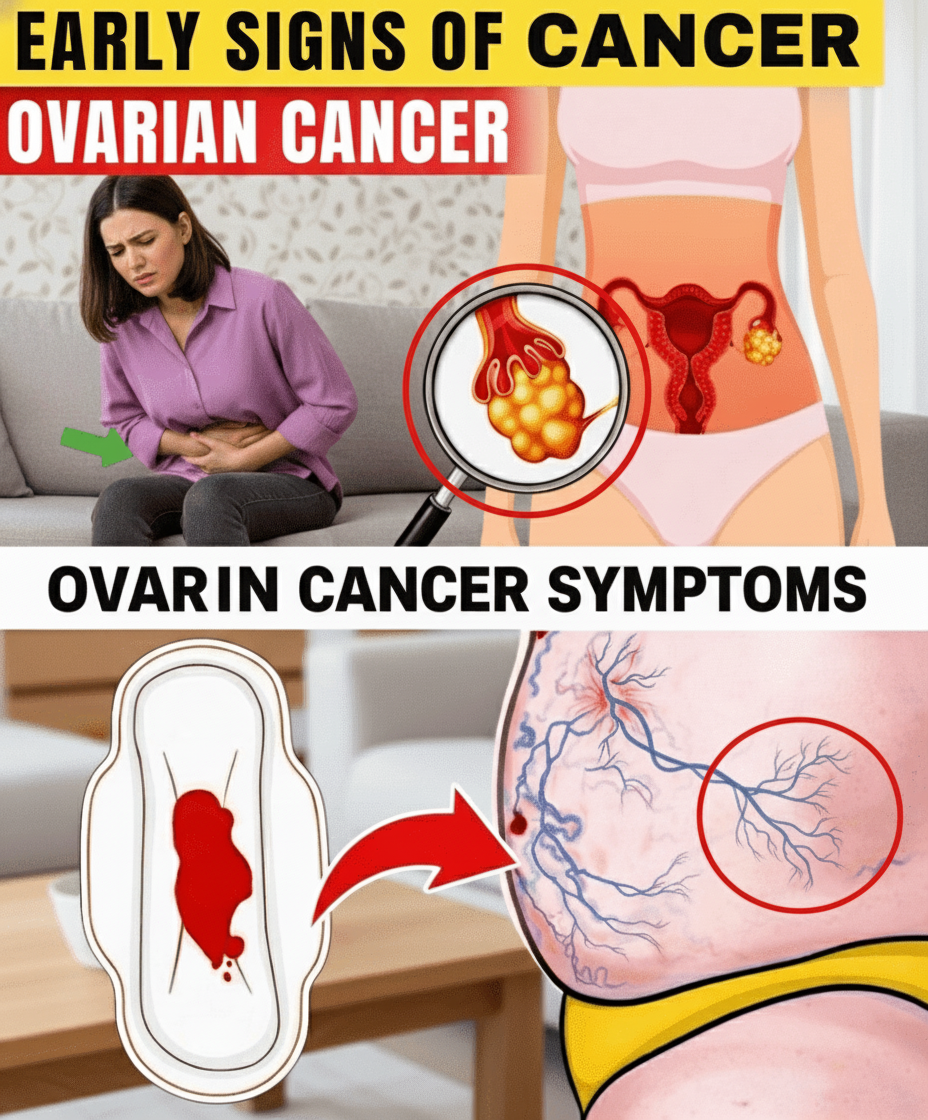
A dull, ongoing ache or persistent discomfort in the lower abdomen, pelvic region, or lower back can sometimes indicate deeper health issues. The NHS and other authoritative medical sources list unexplained pelvic pain as a potential warning sign, especially if it’s chronic and not directly linked to your menstrual cycle. Maintaining a simple journal to note when the pain flares up can help reveal connections or patterns you might not have otherwise noticed.
-
Significantly Heavier or Longer Menstrual Periods
If your menstrual periods suddenly become noticeably heavier, last for an extended duration, or involve an increase in blood clots, this significant shift merits professional attention. Mayo Clinic guidelines underscore that changes in menstrual flow can serve as an important early clue. While many women experience fluctuations due to hormonal shifts or stress, consistent changes persisting over several months warrant a thorough discussion with your healthcare provider.
-
Bleeding After Menopause
Any instance of vaginal bleeding after you have gone through menopause should always necessitate an immediate consultation with a doctor. Health authorities worldwide universally agree that post-menopausal bleeding is never considered normal and always requires urgent medical evaluation. Even minimal amounts of bleeding can be significant – prompt reporting is crucial for achieving better health outcomes.
-
Frequent or Urgent Urination Issues
Some women may notice an increased frequency or urgency to urinate, or experience discomfort during urination, without an obvious urinary tract infection. While these symptoms are often linked to other, less serious causes, persistent changes are frequently discussed in research from institutions like Moffitt Cancer Center. Maintaining adequate hydration and meticulously tracking these symptoms can help clarify if this issue is recurring and warrants investigation.
-
Unexplained Persistent Fatigue or General Weakness
Feeling unusually tired or experiencing a pervasive sense of weakness that doesn’t improve with rest, and isn’t attributable to stress or lifestyle, can be a subtle sign of various underlying health conditions, including cancer. When cancerous cells grow, they consume the body’s energy, and if there’s any internal bleeding (even minor), it can lead to anemia, further exacerbating fatigue. This chronic tiredness is more profound than typical fatigue and should not be ignored if it persists.
-
Unintended Weight Loss
Losing a significant amount of weight (e.g., more than 10 pounds) without making changes to your diet or exercise routine can be an alarming symptom. Cancer cells can alter the body’s metabolism and consume a large amount of energy, leading to unintentional weight loss. If you notice a sudden, inexplicable drop in your body weight, especially when accompanied by other symptoms on this list, it’s imperative to consult your doctor for a comprehensive evaluation.
Being proactive about your health is your most powerful tool in the fight against cervical cancer. While many of these symptoms can be attributed to less serious conditions, recognizing them and discussing them with a healthcare professional ensures that any potential concerns are addressed swiftly. Remember, early detection saves lives. Don’t hesitate to prioritize your well-being and schedule regular check-ups.