 By admin
 Unraveling Peeling Hands: Causes, Solutions, and Daily Habits for Smoother Skin
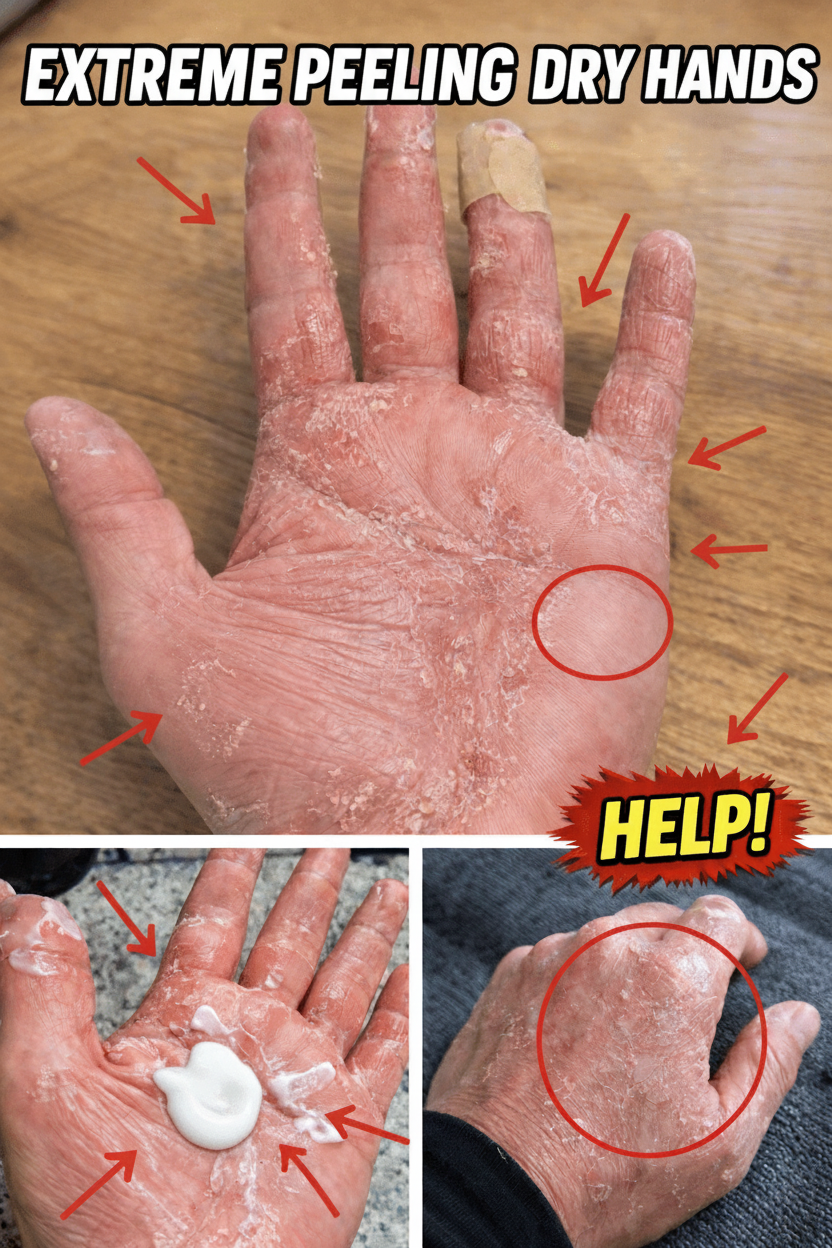
Experiencing dry, rough, and visibly peeling or flaky skin on your hands, particularly across the palms and fingers, can be both frustrating and uncomfortable. This widespread concern frequently originates from a combination of daily environmental factors and routine habits. Common culprits include excessive handwashing, contact with aggressive soaps or chemicals, exposure to arid conditions (especially during colder seasons), or simply insufficient hydration for your skin. These factors can leave your hands feeling tight, itchy, and even prone to painful cracks, turning simple activities like grasping objects or doing dishes into an irritating ordeal. The encouraging news is that many individuals discover significant relief by implementing minor, yet consistent, adjustments to their daily regimen. Grasping the underlying reasons for this skin reaction is the crucial first step toward achieving softer, more comfortable hands. Interestingly, while the peeling itself is often your skin’s natural process of shedding damaged outer layers, incorporating a few mindful habits and gentle care strategies can profoundly enhance the look and feel of your hands over time.
Understanding Why Your Hands Are Peeling and Flaking
Often, the appearance of peeling skin on your hands is a response to environmental influences and daily lifestyle choices, rather than an indication of a severe underlying condition. Leading dermatological organizations, including the Mayo Clinic and the American Academy of Dermatology, highlight several primary factors contributing to this common issue.
Environmental and Climatic Factors
- Dry Air and Seasonal Shifts: Low-humidity environments, prevalent during winter or in air-conditioned settings, significantly accelerate moisture loss from the skin. This dehydration initiates a cycle of dryness that can quickly escalate to noticeable flaking and peeling.
- Frequent Washing and Irritant Exposure: Regular handwashing, especially with hot water, and contact with harsh substances like conventional soaps, detergents, and alcohol-based sanitizers, can severely deplete the skin’s natural protective oils. This compromises the vital skin barrier, making it vulnerable and leading to the outer skin layers shedding in visible flakes or sheets over time.
Common Daily Triggers
- Exposure to aggressive household cleaning agents, industrial solvents, or various workplace chemicals.
- Allergic reactions to specific components found in personal care products (e.g., lotions), certain types of gloves, or even jewelry.
- Systemic dehydration, often resulting from inadequate fluid intake or an unbalanced nutritional regimen.
Underlying Skin Conditions
Furthermore, pre-existing skin sensitivities such as hand eczema (medically known as hand dermatitis) can be significant contributors. Research indicates that irritant contact dermatitis frequently manifests initially as dry, chapped skin, subsequently progressing to peeling, particularly affecting the palms and fingertips.
Recognizing the Signs of Peeling Hand Skin
Identifying peeling skin on your hands is often straightforward. You may observe the following indicators:
- Your palms and fingers exhibit a noticeably rough texture, often accompanied by visible white, dry flakes.
- The peeling manifests in distinct patches or along the natural crease lines of your skin.
- A sensation of tightness or mild discomfort is present, particularly exacerbated after handwashing.
- Fine cracks may develop, occasionally accompanied by subtle redness.
Should the peeling be accompanied by severe itching, the formation of blisters, or extensive redness, it is highly advisable to consult a healthcare professional. They can provide an accurate diagnosis and personalized treatment recommendations.
Essential Habits for Restoring Hand Comfort and Health
Achieving lasting comfort and health for your hands fundamentally relies on diligent protection and consistent moisture replenishment. Based on expert dermatological advice, here are key practices that many individuals find exceptionally beneficial:
- Embrace Gentle Cleansing: Prioritize using fragrance-free, mild soaps or specialized cleansers formulated for sensitive skin. Always wash your hands with lukewarm, rather than hot, water. Post-wash, gently pat your hands dry with a soft towel instead of vigorous rubbing. This preserves the delicate skin barrier.
- Moisturize Promptly and Frequently: Immediately after washing and while your skin is still slightly damp, apply a generous amount of thick, fragrance-free moisturizer. This technique effectively seals in hydration. Seek out products enriched with ingredients known to bolster the skin barrier, such as ceramides, hyaluronic acid, or petrolatum.
- Utilize Protective Gloves: When engaging in tasks that involve water, harsh cleaning agents, or chemicals, always wear cotton-lined rubber gloves. This barrier minimizes direct skin exposure, significantly preventing further irritation and damage.
- Maintain Internal and External Hydration: Ensure you consume an adequate amount of water throughout the day to support overall skin health from within. Additionally, consider using a humidifier in arid indoor environments to introduce much-needed moisture back into the air, benefiting your skin externally.
Beyond these foundational steps, let’s explore more targeted daily routines that can make a substantial difference.
An Actionable Daily Routine for Softer, Healthier Hands
To actively combat dryness and peeling, integrate the following practical steps into your daily and weekly regimen:
- Morning Routine: Begin your day by gently washing your hands with a mild, hydrating soap. Pat them dry carefully, then apply a generous layer of a rich, emollient hand cream to lock in moisture for the day ahead.
- Throughout the Day: Make it a habit to reapply your chosen moisturizer every few hours, and crucially, always after each instance of handwashing. Consistent application is key to maintaining the skin’s moisture barrier.
- Evening Ritual for Intensive Care: Before bed, indulge your hands by soaking them in lukewarm water for 5 to 10 minutes. Following this, liberally apply a thicker, more occlusive ointment or balm. For enhanced absorption and deeper hydration, consider wearing soft cotton gloves overnight.
- Weekly Boost (as needed): If your skin feels exceptionally dry or rough, a gentle exfoliation once a week can be beneficial. Use a soft cloth or a very mild, non-abrasive product. Importantly, steer clear of harsh scrubs, which can exacerbate irritation and compromise the skin barrier further.
Scientific studies consistently demonstrate that a dedicated routine involving regular moisturizing and robust skin barrier protection can significantly diminish dryness and flaking over a period of several weeks, leading to visibly smoother and more comfortable hands.
Key Practices to Avoid for Healthier Hands
To allow your hands to heal and prevent further aggravation of peeling skin, it is crucial to consciously avoid certain habits and products:
- Aggressive Cleansers: Refrain from using harsh antibacterial soaps, strong detergents, or alcohol-based hand sanitizers unless absolutely essential. These products are notorious for stripping natural oils and disrupting the skin’s protective barrier.
- Excessively Hot Water: Avoid washing your hands with very hot water. While comforting, hot water significantly dehydrates the skin and can worsen dryness and irritation, accelerating the peeling process. Opt for lukewarm water instead.
- Vigorous Rubbing: When drying your hands, resist the urge to rub them aggressively. Instead, gently pat them dry with a soft towel to minimize friction and prevent further skin damage.
- Ignoring Symptoms: Do not neglect early signs of dryness or irritation. Address them promptly with moisturizing and protective measures to prevent escalation to severe peeling or cracking.