 By admin
 The Ancient Secret: Big-Leaf Milkweed’s Surprising Role in Traditional Eye Comfort Remedies
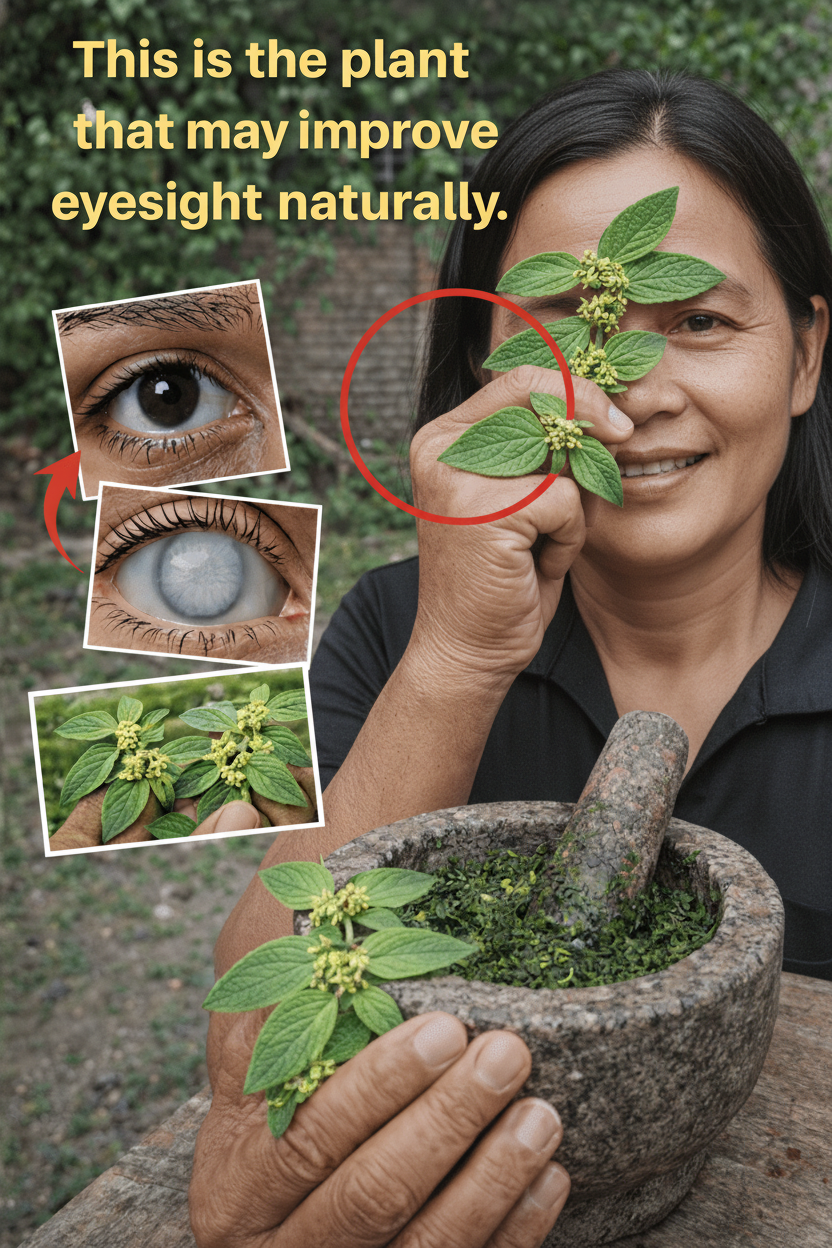
Recent online discussions have brought significant attention to a plant often referred to as “Big-Leaf Milkweed,” with viral claims suggesting it can dramatically enhance eyesight, even to the extent of “100% improvement.” These widely shared posts frequently depict individuals preparing the plant by grinding its leaves and applying the herb directly to the face, often accompanied by compelling close-up images of eyes. While such striking visual testimonials naturally pique curiosity, particularly for those grappling with digital eye strain, age-related vision changes, or daily ocular fatigue, it is paramount to approach these assertions with a healthy dose of skepticism.
Many individuals experience frustration due to persistent blurry vision, dryness, or general discomfort that accumulates from extended screen time or the natural progression of aging. The prospect of a simple, natural plant offering vision support holds significant appeal in a world filled with costly eye drops and specialized gadgets. However, what if there’s a richer, more nuanced narrative behind this traditional herb – one deeply embedded in folk practices for generations?
In this comprehensive article, we will delve into the botanical identity of the plant commonly labeled “Big-Leaf Milkweed” in these viral discussions (which likely refers to species within the Calotropis family, recognized as Aak or Crown Flower in regions like India). We will explore its historical significance in traditional herbal lore, examine its potential connections to eye comfort and overall wellness, and crucially, outline safer, evidence-based methods to naturally support your vision. Stay with us – towards the conclusion, we’ll provide actionable, everyday tips you can implement immediately to foster better eye health.
Unpacking “Big-Leaf Milkweed”: Identity and Online Fascination
The plant prominently featured in many of these trending images is characterized as a large-leafed shrub, distinguished by its milky sap, clusters of small flowers, and broad green foliage. In respected traditional medicine systems, such as Ayurveda, and across various folk remedies prevalent in parts of India and Asia, plants belonging to the Calotropis genus (for instance, Calotropis gigantea) have been historically documented for a diverse array of applications over many centuries. These botanical remedies are referenced in ancient texts and local customs for general wellness, including their use in preparations aimed at soothing irritation or promoting comfort in different bodily areas.
Certain communities have traditionally utilized specific parts of the plant in external poultices, washes, or other topical applications, drawing upon inherited generational knowledge. Nevertheless, contemporary understanding underscores critical safety warnings: the plant’s milky latex sap can be highly irritating if improperly handled, and direct contact with the eyes has been associated with reports of significant discomfort or inflammation. This vital information highlights why traditional knowledge often includes very specific preparation protocols and why consulting with knowledgeable, verified sources is absolutely essential before any use.
Traditional Perspectives and Modern Inquiry into Ocular Wellness
Across various folk traditions, certain wild plants have been highly valued for their potential to foster overall well-being and vitality, including specific benefits for the eyes. For example:
- Leaves or flowers were, at times, carefully prepared into pastes or infusions as part of localized remedies.
- The primary focus of these applications was often on alleviating tired or irritated eyes, particularly those affected by environmental stressors.
- Contemporary research continues to investigate natural compounds, exploring their antioxidant and anti-inflammatory properties found in various herbs, and their broader role in supporting general health, which encompasses aspects of eye-related wellness.
While no single plant has been scientifically proven to definitively “fix” vision impairments, nutritional science confirms that vital nutrients such as lutein, zeaxanthin, and various vitamins derived from plants play a crucial role in maintaining optimal eye health. Here’s what makes plants like Calotropis stand out in a broader context:
- They are often rich in specific bioactive compounds that may offer protective effects against oxidative stress, a key factor in eye aging.
- They represent a significant part of a long and rich history of herbal exploration within traditional medicine systems worldwide.
However, it is crucial to remember that the sensationalism often found on social media tends to neglect critical safety considerations. Always prioritize verified, scientific information over anecdotal hype when it comes to your health.
Evidence-Based Strategies for Natural Eye Health Support
Instead of engaging in potentially risky experiments with unverified plants, it is far wiser to concentrate on proven, gentle practices endorsed by leading eye health organizations. Here are actionable steps widely recommended by experts to support your vision naturally:
Essential Daily Habits for Enhanced Vision Comfort
- Implement the 20-20-20 rule: Every 20 minutes, shift your gaze to an object located 20 feet away for a duration of 20 seconds to significantly reduce digital eye strain.
- Maintain optimal hydration: Dry eyes can be exacerbated by dehydration, so ensure adequate fluid intake throughout the day.
- Embrace a vibrant, colorful diet: Consume foods rich in eye-friendly nutrients (detailed further below).
- Ensure proper lighting: Adjust your environment to minimize glare on screens and reduce eye fatigue.
- Wear UV-protective sunglasses outdoors: Shield your eyes from harmful ultraviolet rays, which can contribute to long-term damage.
Nutrient-Dense Foods for Optimal Ocular Wellness
Integrate these beneficial foods into your daily meals for natural and sustained vision support:
- Leafy green vegetables (e.g., spinach, kale): Excellent sources of lutein and zeaxanthin, crucial antioxidants for macular protection.
- Carrots and sweet potatoes: Abundant in beta-carotene, which the body converts into vitamin A, an essential nutrient for good vision.
- Citrus fruits and berries (e.g., oranges, blueberries): Rich in vitamin C, vital for the health of blood vessels in the eyes and for collagen formation.
- Nuts and seeds (e.g., almonds, sunflower seeds): Provide vitamin E, a powerful antioxidant that helps protect eye cells from damage.