 By admin
 Have you ever experienced a sudden, fleeting sensation like numbness in an arm, an uncharacteristic headache, or a brief spell of dizziness that quickly subsided? Many individuals tend to dismiss these subtle occurrences, attributing them to common factors such as stress, fatigue, or the natural aging process. However, these seemingly minor changes could, in fact, be your body’s critical early alert system signaling an impending medical emergency: a stroke.
Strokes remain a leading cause of severe disability and mortality globally, yet a significant number are preceded by warning signs that can manifest days, weeks, or even a full month in advance. Identifying these crucial signals early empowers you to seek immediate medical attention, potentially averting a major catastrophic event. The encouraging news is that heightened awareness combined with swift action can profoundly alter outcomes.
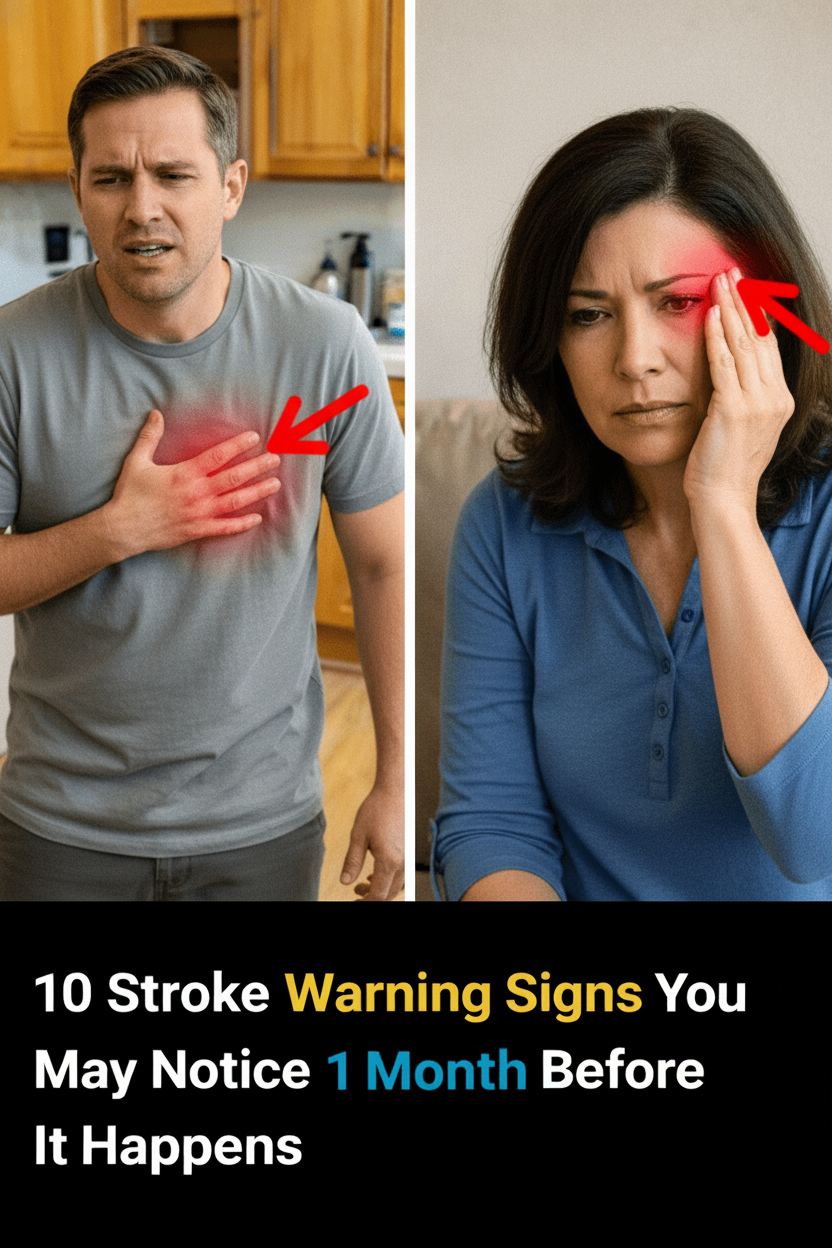
In this comprehensive guide, we will delve into 10 common stroke warning signs that medical research and experts have linked to an elevated risk of stroke in the weeks leading up to its onset. These indicators frequently originate from transient ischemic attacks (TIAs), often referred to as “mini-strokes,” which involve temporary interruptions in blood flow to the brain. While TIAs typically resolve rapidly, they serve as potent indicators that a full-blown stroke might follow if underlying health issues are not promptly addressed. Continue reading to understand what symptoms to monitor and why acting without delay is paramount for brain health.
Why Early Detection Matters: Understanding Transient Ischemic Attacks (TIAs)
A transient ischemic attack (TIA) functions much like a temporary stroke – its symptoms emerge abruptly but generally dissipate within minutes to a few hours, leaving no permanent damage. Nevertheless, extensive studies reveal that up to one-third of individuals who experience a TIA will suffer a major stroke within a year, with the highest risk concentrated in the initial days or weeks following the TIA.
Respected organizations such as the American Heart Association and the Mayo Clinic unequivocally stress that TIAs are critical stroke warning signs. These preliminary indicators are often associated with diminished blood flow stemming from conditions like uncontrolled high blood pressure, atrial fibrillation, or the accumulation of plaque in the arteries. Disregarding these alerts can lead to devastating consequences, whereas recognizing them promptly facilitates lifestyle modifications, medication adjustments, or medical procedures that can significantly reduce your future stroke risk.
10 Critical Warning Signs to Monitor Before a Stroke
Below are the most frequently reported pre-stroke symptoms that may manifest intermittently up to a month or more prior to a major stroke event. Their often transient nature is precisely why many people tend to overlook them.
1. Sudden Numbness or Weakness, Particularly on One Side
You might experience a fleeting tingling sensation or weakness in your face, arm, or leg – commonly affecting only one side of the body. This could manifest as your arm feeling “asleep” or an unusual tendency to drop objects. This neurological symptom is a classic sign of a TIA and represents a significant red flag requiring immediate attention.
2. Acute Confusion or Difficulty Comprehending Speech
Experiencing sudden trouble following conversations, struggling to recall words, or finding it hard to understand what others are saying can be a warning. You might feel a mental fogginess or have difficulty formulating clear responses.
3. Slurred Speech (Dysarthria) or Impaired Articulation
Words may emerge garbled or unintelligible, or you might find it challenging to form coherent sentences. Even if this lasts only a few minutes, it is a potent indicator of potential disruptions in brain blood flow.
4. Visual Disturbances: Blurred, Double Vision, or Vision Loss in One Eye
Sudden onset of blurry vision, seeing double, or a temporary loss of sight in one eye (often described as a “curtain falling”) should never be dismissed. While these visual changes frequently resolve quickly, they warrant urgent medical evaluation.
5. Dizziness, Loss of Balance, or Coordination Difficulties
Feeling unsteady, perceiving the room as spinning (vertigo), or struggling to walk in a straight line can be signs. While these can sometimes mimic inner ear problems, they may also signal reduced blood flow to the brain’s balance centers.
6. Abrupt, Severe Headache Without Apparent Cause
A “thunderclap” headache – an excruciatingly intense headache unlike anything you’ve ever experienced before – can serve as a critical warning. Research indicates a link between unusual, sudden headaches and impending ischemic strokes in certain individuals.
7. Unexplained Fatigue or Pervasive Weakness
An extreme, uncharacteristic tiredness or a general feeling of weakness that doesn’t align with your normal energy levels might be a subtle early symptom. Some people report this as an initial, often overlooked, sign.
8. Trouble Walking or Sudden Impairment of Coordination
Stumbling unexpectedly, feeling off-balance, or encountering difficulty with fine motor skills, such as buttoning a shirt, can be indicative of neurological issues related to stroke risk.
9. Nausea, Vomiting, or Brief Episodes of Loss of Consciousness
Sudden nausea occurring without an obvious gastrointestinal cause, or moments of feeling faint or briefly “blacking out,” can sometimes be associated with early stroke indicators.
10. Intermittent Symptoms That Appear and Disappear
The defining characteristic of these early warnings is their transient nature: these signs may manifest for a few minutes or hours, then vanish, only to potentially reappear later. This pattern is highly typical of TIAs.
However, here’s the crucial insight: these symptoms do not always occur simultaneously or with high intensity. They can be mild and fleeting, making them alarmingly easy to disregard. The true peril lies in delaying action – the risk of a full-blown stroke is highest immediately following such episodes. This is why understanding and reacting promptly to these early signals is absolutely vital.