 By admin
 Often considered solely a remedy for headaches and minor discomforts, aspirin holds a surprising array of practical applications far beyond the typical medicine cabinet. Thanks to its active ingredient, salicylic acid, this common household staple can be transformed into a versatile tool for everything from preserving floral arrangements to enhancing your beauty regimen in unconventional ways. While its pain-relieving properties are widely recognized, discovering these lesser-known uses can significantly expand its utility around your home.
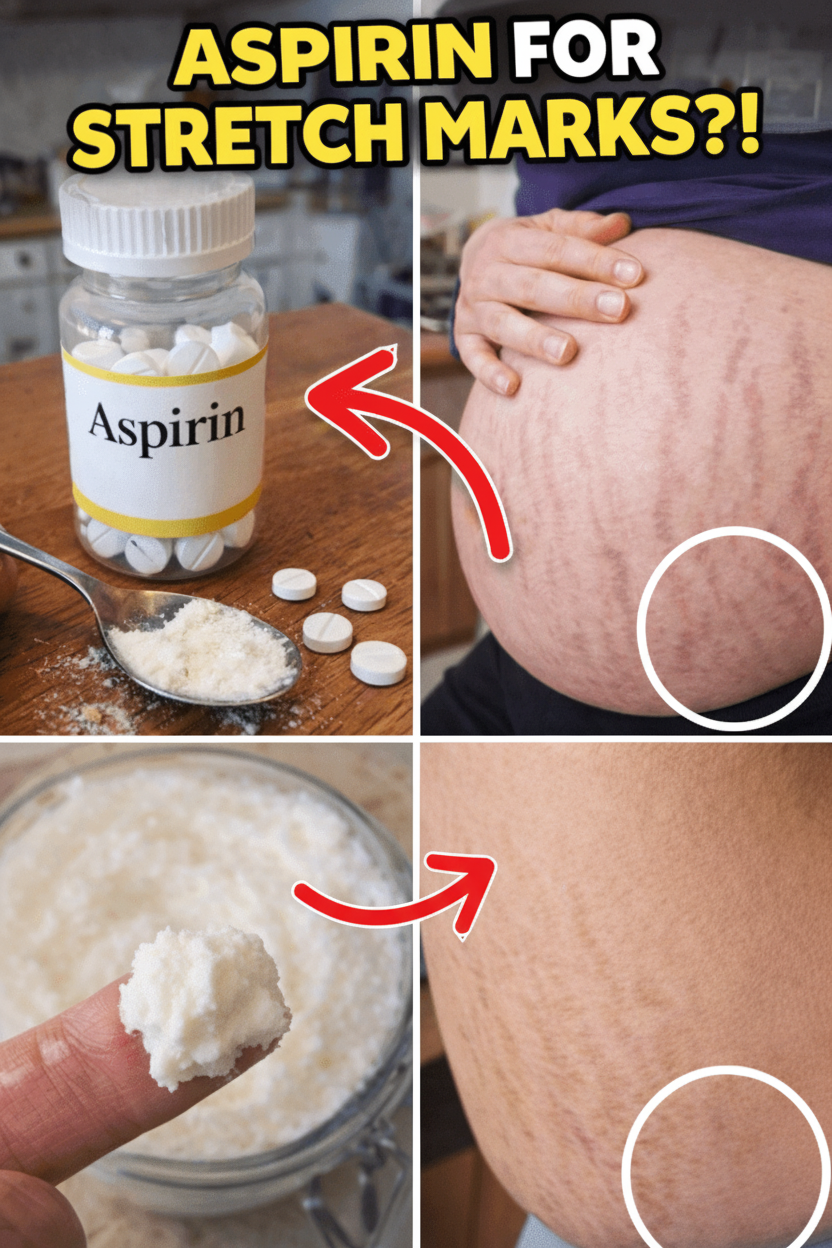
Intriguingly, one widely circulated homemade beauty hack suggests using crushed aspirin as a topical treatment for concerns like stretch marks. We’ll explore the science behind this popular claim and what the actual evidence indicates later in this article.
Understanding Aspirin’s Broader Potential
At its core, aspirin contains acetylsalicylic acid, a synthetic derivative closely related to salicylic acid—a compound naturally present in willow bark and historically utilized for its medicinal properties for centuries. Research highlights salicylic acid’s ability to gently exfoliate the skin and mitigate inflammation when applied topically in appropriate concentrations. It is these distinct attributes that pave the way for aspirin’s diverse and creative applications in daily life.
However, it is crucial to approach these suggestions with caution. These are informal household tips and should never be considered substitutes for professional medical advice or prescribed treatments. Individual results may vary, and safety should always be your top priority. Always conduct a patch test before applying any new substance to your skin, and consult a healthcare professional for any medical concerns.
1. Alleviate Minor Skin Irritations, Such as Insect Bites
Pesky insect bites often result in uncomfortable, itchy, and reddened bumps that can significantly disrupt your comfort. To find temporary relief, finely crush one or two uncoated aspirin tablets into a powder. Combine this powder with a minimal amount of water, just enough to create a thick paste. Gently apply this paste directly onto the irritated area and allow it to sit for approximately 10 to 15 minutes before rinsing thoroughly. The inherent anti-inflammatory properties of aspirin may help to calm the localized irritation and reduce redness. While many individuals report a soothing sensation from this straightforward method, it is important to remember that this is a temporary fix and not a replacement for comprehensive insect bite treatment or professional medical advice.
2. Extend the Freshness of Cut Flowers
To keep your beautiful bouquets looking vibrant and lively for an extended period, try this simple trick. Dissolve a single crushed aspirin tablet into the water of your flower vase. The acidic component of aspirin helps to lower the water’s pH level, which in turn can inhibit the growth of bacteria that often clog stems and shorten flower life. This improved environment allows the flower stems to absorb water and nutrients more efficiently. For optimal results, remember to refresh the vase water every couple of days and add another crushed tablet. Many florists and home gardeners attest to this method prolonging the life of their floral arrangements by several days.
3. Combat Stubborn Sweat Stains on Garments
Unsightly yellowish sweat stains, particularly noticeable on shirt collars and underarm areas, can be incredibly challenging to remove through regular washing. To address these persistent marks, crush three to four aspirin tablets and thoroughly dissolve them in a cup of warm water. Submerge the stained portion of the fabric in this solution, allowing it to soak for several hours, or even overnight, for deeply set stains. Afterward, simply wash the garment as you normally would. The salicylic acid in aspirin works to break down the proteins present in sweat that are responsible for the discoloration. This technique is most effective on newer stains and is particularly recommended for white or light-colored fabrics to avoid potential discoloration on darker materials.
4. Promote Robust Health for Your Plants
Aspirin can offer a subtle yet beneficial boost to both your indoor houseplants and outdoor garden blooms. To create a plant-friendly solution, dissolve one uncoated aspirin tablet in a gallon of water. Use this mixture to water your plants once every few weeks. Many gardening enthusiasts suggest that this practice can aid in warding off certain fungal problems and stimulate overall growth, attributing these effects to the acid’s inherent properties. Scientific studies have indeed indicated that salicylic acid plays a crucial role in plants’ natural defense mechanisms against various stressors and pathogens, although the concentrations used in household applications are typically quite mild.
5. Gently Exfoliate and Soften Calloused Feet
Dealing with rough, dry, and calloused heels can be uncomfortable and unsightly. To help soften these areas, crush several aspirin tablets into a fine powder. Combine this powder with a small amount of lemon juice or water to create a manageable paste. Massage this paste onto the affected calloused skin for a few minutes, then rinse thoroughly. The mild exfoliating action of aspirin can gradually help to break down dead skin cells and soften hardened areas over time with consistent application. For optimal results, always follow this treatment with a nourishing foot cream to hydrate and maintain the newfound softness.
6. Provide Relief for Occasional Pimples
When an unexpected breakout appears, aspirin can serve as a quick, temporary spot treatment. Crush one aspirin tablet and mix it with a tiny amount of water or honey to form a thick paste. Carefully apply this mixture directly onto the blemish and leave it on for 10 to 15 minutes before gently washing it off. Aspirin’s anti-inflammatory properties may help to reduce the redness and swelling associated with pimples, offering temporary relief. While dermatologists frequently recommend salicylic acid as an effective ingredient in commercial acne products (like cleansers and serums), this DIY aspirin application is intended for occasional, localized use and is not suitable for daily, full-face treatment or for addressing severe acne conditions.
Additional Clever Household Applications for Aspirin
- Combat Dandruff Build-up: For a temporary remedy for flaky scalp, crush two to three aspirin tablets and blend them into your regular shampoo. Massage this mixture into your scalp, let it sit for a couple of minutes, then rinse thoroughly.
- Restore Tarnished Metal: To bring back the shine to brass or copper items, create a thick paste by crushing aspirin and mixing it with a small amount of water. Gently rub this paste onto the tarnished areas, then rinse and polish.
- Soothe Minor Callus Discomfort: Similar to treating calloused feet, a paste made from crushed aspirin and water can be applied to other areas of minor callus discomfort. Apply the paste, cover the area overnight, and rinse in the morning. Always perform a patch test on a small, inconspicuous area first.
Examining the Popular Aspirin and Stretch Marks Remedy
A widely circulated DIY beauty hack frequently found online suggests crushing aspirin and combining it with ingredients like coconut oil or yogurt to form a paste, which is then applied topically to stretch marks. These common skin alterations, often appearing on the abdomen, thighs, or other areas due to pregnancy, significant weight fluctuations, or rapid growth, are a concern for many.
The theory behind this particular remedy posits that aspirin’s known exfoliating and anti-inflammatory properties could potentially help to improve the appearance of the skin over time, perhaps by softening the texture or reducing redness associated with newer stretch marks. While anecdotal accounts from individuals do exist, claiming softer skin or a reduction in the visibility of their marks, it is vital to note that current scientific research and clinical studies do not provide strong evidence to support aspirin as an effective or recommended treatment for stretch marks. For concerns about stretch marks, it is always best to consult with a dermatologist or skincare professional who can offer evidence-based solutions and advice.