 By admin
 As we age, it’s common to attribute minor physical and cognitive shifts—like a momentary stumble, a fleeting memory lapse, or an unusual sensation—to the natural process of getting older. However, these seemingly innocuous changes can sometimes be early indicators of a more serious underlying issue: lacunar strokes. These small vessel strokes occur deep within the brain and often go unnoticed initially, earning them the moniker “silent strokes.”
Research highlights the prevalence of lacunar strokes, accounting for approximately 20-25% of all ischemic strokes. Furthermore, MRI scans reveal evidence of these “silent” events in 20-40% of seemingly healthy older adults, with this percentage rising significantly after the age of 80. The challenge lies in how easily these crucial early warning signs are dismissed, potentially allowing cumulative damage to accumulate quietly over time. Understanding these subtle clues is paramount for proactive brain health. Join us as we explore these often-overlooked signs and discuss practical steps to support better vascular health and when to seek medical advice.
Why Lacunar Strokes Often Go Undetected
Lacunar strokes develop when tiny, penetrating arteries situated deep within the brain become blocked. This blockage is typically a result of long-term factors such as uncontrolled high blood pressure or other chronic vascular changes. Unlike larger strokes that frequently manifest with dramatic, easily recognizable symptoms affecting the brain’s outer layers (cortex)—such as speech difficulties (aphasia) or neglect of one side of the body—lacunar strokes target deeper regions like the basal ganglia, thalamus, or white matter tracts.
Studies indicate that many lacunar events remain “clinically silent,” meaning they don’t produce immediate, overt symptoms. Yet, multiple occurrences can gradually impair mobility, cognitive function, and balance. Population-based MRI studies underscore the commonality of these small vessel strokes in aging brains, emphasizing the critical importance of recognizing gradual or intermittent changes. The good news is that early identification of these patterns can lead to timely lifestyle adjustments and medical interventions that significantly support overall brain vascular health.
Crucial Risk Factors for Small Vessel Strokes
Several factors substantially increase the likelihood of developing small vessel changes in the brain, which are precursors to lacunar strokes:
- Persistent High Blood Pressure: Chronic hypertension is a leading cause of damage to tiny blood vessels.
- Diabetes: Poorly managed blood sugar levels can harm vascular integrity throughout the body, including the brain.
- History of Smoking: Smoking severely constricts blood vessels and promotes clot formation.
- Elevated Cholesterol: High levels contribute to plaque buildup (atherosclerosis) in arteries.
- Advanced Age: The risk naturally increases with age, particularly after 60.
- Certain Heart Conditions: Conditions like atrial fibrillation can increase the risk of blood clots traveling to the brain.
Proactive management of these risk factors through regular medical check-ups, medication adherence, and healthy lifestyle choices forms a robust defense for long-term brain health.
7 Common Yet Frequently Missed Signs in Adults Over 60
The following patterns are frequently documented in medical literature and clinical observations. While these symptoms can arise from various conditions, their sudden onset, stepwise worsening, or unusual persistence, particularly in older adults, warrants careful attention.
1. Brief Episodes of Disorientation or Mental Fogginess
These are short periods where thinking feels unusually cloudy, one might momentarily lose their bearings, or experience a brief sensation of being “lost” before clarity quickly returns. Such transient, stroke-like events affecting deep brain structures can serve as crucial early alarms for cerebrovascular issues.
2. Subtle Shifts in Cognitive Function or Mood
This category includes a noticeable slowing in processing information, increased difficulty in planning or executing daily tasks, or a growing sense of apathy and social withdrawal. Unlike the steady decline often associated with certain dementias, vascular cognitive changes frequently exhibit a “step-wise” progression, meaning abilities might decline in noticeable jumps rather than a continuous slide.
3. Unexplained Changes in Bladder Control
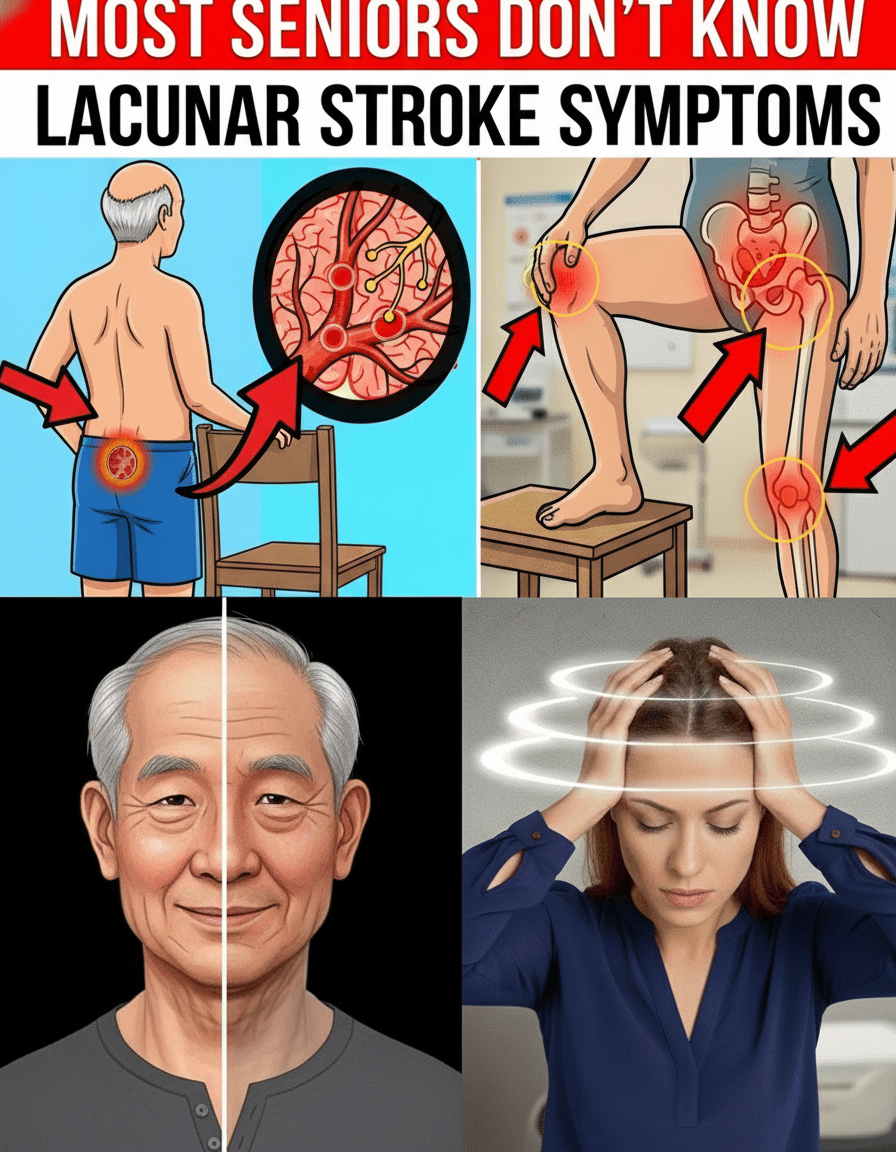
Symptoms such as an increased urgency to use the restroom, more frequent nighttime trips (nocturia), or occasional urinary leakage can be significant. Damage to frontal lobe pathways or deep brain structures responsible for regulating bladder control signals can manifest in these ways.
4. Progressive Gait and Balance Disturbances
Individuals might experience a shuffling walk, a feeling that their feet are “stuck” to the floor, needing multiple small steps to turn around, or an increased frequency of unexplained stumbles and falls. Vascular effects on the basal ganglia—a deep brain region—commonly impact lower-body movement first, often without the presence of tremors typically seen in other conditions.
5. Sudden, Temporary Weakness or Motor Clumsiness in a Limb
This sign can manifest as an abrupt sensation of heaviness in an arm or leg, unexpectedly dropping objects, or an uncharacteristic awkwardness in one limb. These “mini-events” might resolve quickly or linger mildly. Pure motor patterns, where weakness is the primary symptom without sensory loss, are among the most recognized presentations of lacunar strokes.
6. Unusual Unilateral Sensory Changes
Experiencing sudden numbness, tingling, or even a burning discomfort affecting only one side of the body (e.g., face, arm, or leg) can be a red flag. Involvement of the thalamus, another deep brain structure, can sometimes lead to persistent sensory alterations.
7. Issues with Coordination or Dizziness
This includes general clumsiness, a persistent feeling of unsteadiness, or vertigo-like sensations, especially when performing certain movements. Lesions in the pons or other deep brain locations can produce these ataxia-related signs, indicating problems with movement control and balance.
It’s vital to recognize that many of these symptoms can indeed overlap with typical aging complaints or other conditions, which is precisely why they are so easily overlooked. However, understanding how they differ is key.
Distinguishing Lacunar Stroke Signs from Normal Aging
Understanding the nuances between these potential lacunar-related patterns and typical age-related changes, or even symptoms of other common conditions, is crucial for timely intervention.
While normal aging brings a gradual, general slowdown in various functions, and conditions like arthritis cause localized, activity-related stiffness or pain, lacunar stroke signs often present differently:
- Onset: Lacunar stroke symptoms tend to be sudden, appear in a “step-wise” progression (worsening in distinct phases), or fluctuate unexpectedly. Normal aging changes are typically very gradual and steady.
- Key Features: Lacunar signs are often specific and frequently one-sided (e.g., affecting only one limb or one side of the body). Age-related changes are generally more diffuse.
- Progression: Lacunar effects can accumulate over time, potentially leading to more significant deficits if unaddressed. Normal aging progresses slowly and steadily.
- Associated Changes: Lacunar strokes might be accompanied by a combination of balance issues, bladder control problems, and cognitive shifts, whereas other conditions typically have more localized symptoms.
The critical takeaway is that any new, sudden, progressively worsening, or unexplained symptom, particularly if it’s not consistent with known benign conditions, should prompt a discussion with a healthcare professional. Early detection and management of lacunar strokes can significantly improve long-term outcomes and preserve brain health.