 By admin
 Smart Bread Choices for Blood Sugar Management: Your Guide to Low-Glycemic Options
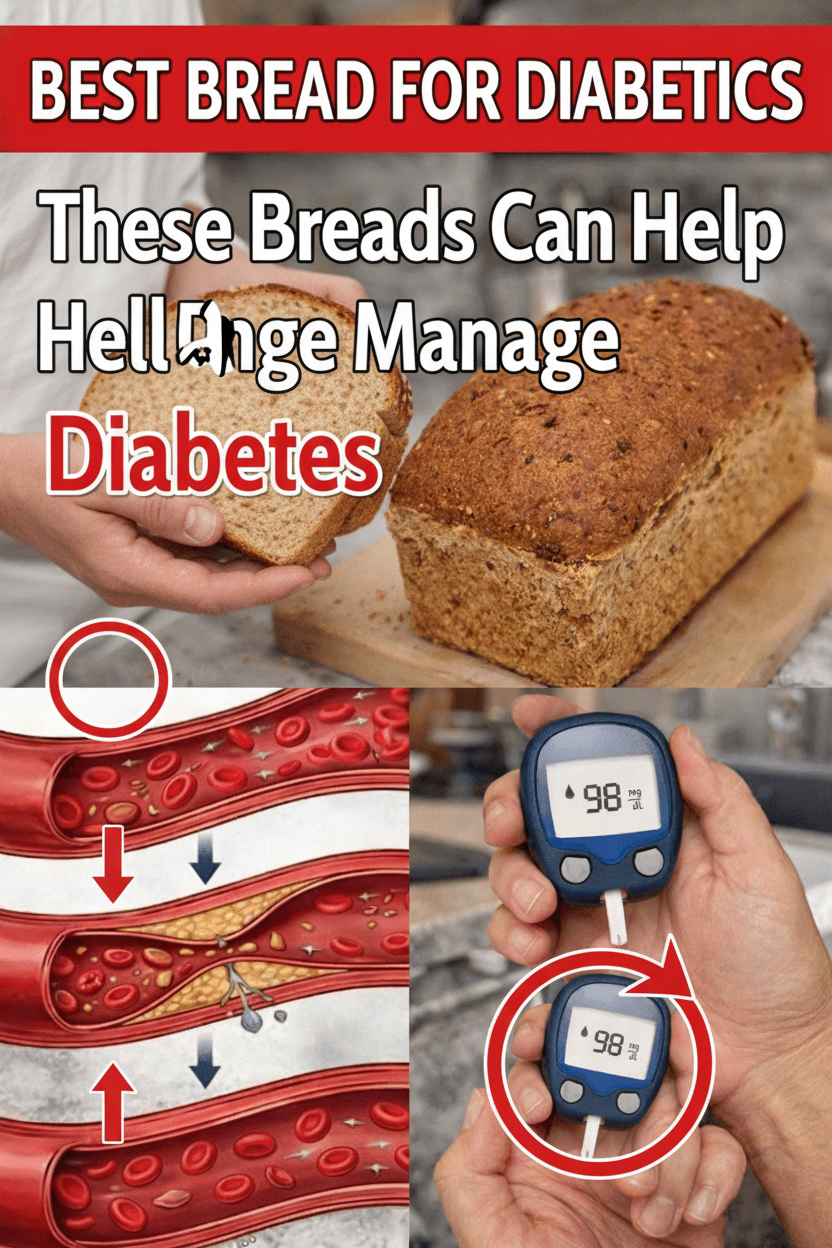
Living with diabetes or prediabetes often involves meticulous attention to carbohydrate intake, particularly concerning dietary staples like bread. It’s common for individuals to select seemingly healthy options, such as conventional whole wheat, only to observe unwelcome spikes in blood sugar levels. These fluctuations can manifest as energy slumps, heightened hunger, or persistent concerns about long-term health implications. However, there’s encouraging news: not all bread varieties impact glucose levels equally. Certain choices, distinguished by their rich fiber content, inclusion of whole grains, and slower digestive properties, can significantly contribute to maintaining more stable blood sugar when incorporated judiciously into balanced meals. This comprehensive guide will delve into nutritionally informed bread selections, drawing upon general research regarding glycemic response. Be sure to read through to the conclusion, where we reveal a straightforward pairing strategy that can enhance the blood sugar stability of nearly any bread.
Why Your Bread Selection Impacts Blood Sugar Control
While bread offers convenience and comfort, highly refined varieties are rapidly converted into glucose upon digestion, frequently leading to pronounced post-meal blood sugar surges. Research consistently demonstrates that foods rich in intact grains and soluble fiber undergo a more gradual digestion process. This slower breakdown helps foster incremental changes in blood sugar rather than abrupt, undesirable spikes.
The Glycemic Index (GI) serves as a valuable tool, quantifying how rapidly a particular food elevates blood sugar in comparison to pure glucose. Breads categorized as low-GI (typically scoring below 55) are generally higher in fiber. This increased fiber content is crucial as it decelerates nutrient absorption and promotes a feeling of fullness, or satiety. The American Diabetes Association (ADA) strongly advocates for prioritizing whole-grain selections over highly processed white bread for superior carbohydrate management.
Crucially, it’s vital to remember that individual glycemic responses can differ significantly. Factors such as portion size, the foods consumed alongside your bread, and your overall dietary pattern all play a role. Consequently, diligent monitoring of your personal blood sugar reactions remains an indispensable practice.
Essential Features of Diabetes-Friendly Bread
When navigating the bread aisle, scrutinize product labels for these beneficial characteristics:
- High Fiber Content: Target at least 3 grams of fiber per slice. Fiber is instrumental in slowing digestive processes, thereby mitigating rapid blood sugar increases.
- Whole Grains as Primary Ingredient: Ensure that “whole wheat,” “whole rye,” “whole oats,” or “sprouted grains” are listed among the first few ingredients. This indicates a higher proportion of nutrient-rich, intact grains.
- Minimal or No Added Sugars: Be vigilant for hidden sweeteners, which can quickly elevate the glycemic load of bread. Opt for loaves with naturally occurring sweetness or none at all.
- Lower Net Carbs: Understanding net carbs (total carbohydrates minus fiber) provides a more accurate reflection of a food’s potential impact on blood sugar.
- Enriched with Seeds or Nuts: Ingredients like flax seeds, chia seeds, or pumpkin seeds not only enhance nutritional value but also contribute healthy fats and additional fiber, further supporting glycemic control.
Top 5 Bread Varieties for Enhanced Blood Sugar Stability
Compared to conventional white bread, the following five popular options are frequently endorsed for their robust fiber profiles and typically lower glycemic impact:
Sprouted Grain Bread
Crafted from whole grains and legumes that have undergone a sprouting process, this bread is remarkably nutrient-dense, boasting elevated levels of both fiber and protein. Brands such as Ezekiel 4:9 are widely recognized for their substantial texture and the contribution they make to slower, more sustained digestion.
100% Whole Wheat or Whole Grain Bread
Authentic 100% whole wheat bread retains the entire grain kernel—including the bran, germ, and endosperm—which significantly boosts its fiber content. When selecting, look for reputable brands like Dave’s Killer Bread or Sara Lee 100% Whole Wheat, which provide a commendable fiber count without excessive processing.
Rye Bread (Especially Pumpernickel or Sourdough Rye)
Dense rye varieties, particularly traditional pumpernickel, often exhibit some of the lowest GI values. This is attributed to rye’s natural composition and the fermentation process involved in its production. Sourdough rye further enhances its appeal by offering gut-friendly benefits derived from natural fermentation.
Oat Bread
Oats are a rich source of beta-glucan, a soluble fiber celebrated for its efficacy in promoting a stable glucose response. Oat-based loaves present a pleasant nutty flavor and serve as an excellent base for various toppings.
Flaxseed or Seed-Heavy Bread
The inclusion of flax seeds not only supplies beneficial omega-3 fatty acids but also contributes additional fiber, which helps to mitigate sharp blood sugar rises. Many multigrain or seeded bread options thoughtfully incorporate flax for both its nutritional advantages and satisfying crunch.
Comparative Overview: Bread Types and Their Glycemic Impact
| Bread Type | Approximate GI Range | Fiber per Slice (typical) | Primary Benefit | Ideal Pairings |
|---|---|---|---|---|
| Sprouted Grain | Low (around 36-50) | 3-6g | Nutrient-dense, high in protein | Toasted with avocado or eggs |
| 100% Whole Wheat | Medium (around 65-71) | 3-4g | Widely available, everyday use | Sandwiches with lean protein |
| Rye/Pumpernickel | Low (41-56) | 2-4g | Dense texture, fermentation advantages | Open-faced with turkey or cheese |
| Oat Bread | Medium (around 55) | 2-4g | Beta-glucan for gradual energy release | Breakfast toast with nut butter |
| Flaxseed/Seeded | Low-Medium (40-55) | 3-5g | Rich in healthy fats and extra fiber | Snacks or served alongside soups |
| White/Refined | High (70-90+) | <2g | Leads to rapid glucose spike | Best to limit or avoid |
Important Note: The Glycemic Index can fluctuate based on specific brands, preparation methods, and accompanying ingredients. Always consult product labels for precise nutritional information.
Practical Strategies for Mindful Bread Consumption
Integrating these healthier bread options into your diet requires a thoughtful approach. Here are some actionable tips:
- Personalized Monitoring: Start by introducing one slice at a time, perhaps during breakfast, and observe how your body responds. Individual blood sugar reactions are unique.
- The Power of Pairing (The “Pairing Trick”): This is key! Always combine your bread with sources of protein (e.g., eggs, lean meats, Greek yogurt) and healthy fats (e.g., avocado, nuts, seeds, olive oil). This synergistic combination significantly slows down carbohydrate digestion, thereby reducing the overall glycemic impact of your meal and promoting more stable blood sugar levels.
- Light Toasting: Some preliminary research indicates that lightly toasting bread can slightly alter its starch structure, potentially leading to a marginally lower glycemic response compared to untoasted bread.
- Mind Your Portions: Even low-GI breads contribute carbohydrates. Adhere to recommended serving sizes to maintain effective blood sugar control.
- Hydrate Adequately: Drinking water with your meals can further aid digestion and overall metabolic health.
Embrace Smarter Bread Choices for Better Health
Choosing the right bread doesn’t have to be a source of frustration for those managing blood sugar. By understanding the glycemic index, prioritizing fiber and whole grains, and employing smart pairing strategies, you can continue to enjoy bread as a delicious and beneficial part of a balanced, health-conscious diet. Empower yourself with these choices and experience the difference in your energy levels and overall well-being.