 By admin
 Many individuals over 50 begin to notice subtle shifts in their physical well-being, such as morning stiffness, occasional joint discomfort, or a growing concern about maintaining their mobility and independence. These common indicators often stem from the natural, age-related decline in bone density, especially when dietary intake of vital minerals is insufficient or daily physical activity decreases. The encouraging news is that simple, enjoyable additions to your diet—like certain nutrient-rich foods—can play a significant supportive role in preserving overall skeletal health. And here’s an interesting fact: one naturally sweet, everyday fruit stands out for its impressive mineral composition, perfectly aligned with what our bones need most.
Understanding Bone Health in Later Years
Bone density naturally reaches its peak in early adulthood and subsequently undergoes a gradual decline with advancing age. After the age of 50, several factors can accelerate this process, including hormonal fluctuations (particularly in women post-menopause), reduced physical activity levels, and inadequate nutrient consumption. This can lead to a more porous bone structure and an elevated risk of fractures, impacting mobility, confidence, and the quality of daily life. Fortunately, nutrition remains one of the most accessible and effective strategies for supporting bone maintenance.
Research consistently underscores the critical importance of minerals such as calcium, magnesium, potassium, and phosphorus in both the structural integrity and overall balance of our bones. While no single food can replace a comprehensive approach to bone health, incorporating mineral-rich options into your diet can make a meaningful contribution to your skeletal wellness.
The Nutritional Profile of Dates
Dates, the luscious fruit harvested from the date palm, offer a convenient and delicious source of essential nutrients. A typical serving, equivalent to about 3-5 dates, delivers notable quantities of key minerals:
- Calcium — A fundamental building block, crucial for bone structure and strength.
- Magnesium — Vital for activating Vitamin D and supporting calcium metabolism, both critical for healthy bone formation.
- Potassium — Helps maintain the delicate mineral balance within the body by reducing urinary calcium loss.
- Phosphorus — Works synergistically with calcium to form the robust mineral matrix of bone tissue.
Studies have linked adequate intake of these specific minerals to superior bone density outcomes, particularly observed in older adults. Beyond their mineral content, dates also provide valuable antioxidants and dietary fiber, which contribute to overall wellness and may indirectly benefit skeletal health by mitigating oxidative stress. What’s more, these beneficial minerals come in a naturally sweet, portable package that’s incredibly easy to incorporate into your diet without any special preparation.
How Dates Integrate into Bone-Supportive Eating
Observational research consistently demonstrates a link between diets rich in fruits, vegetables, and various mineral sources (including potassium and magnesium) and higher bone mineral density in aging populations. While direct, extensive studies focusing solely on dates may be less numerous compared to some other foods (like prunes), their impressive nutrient contributions align perfectly with dietary patterns proven to favor bone maintenance and strength.
For example, the potassium found in fruits like dates plays a crucial role in preserving calcium levels within the body, preventing excessive loss. Similarly, magnesium is essential for activating Vitamin D, which in turn significantly improves calcium absorption and utilization. The antioxidants present in dates may also help counteract cellular factors associated with age-related changes in bone tissue, offering an additional layer of support.
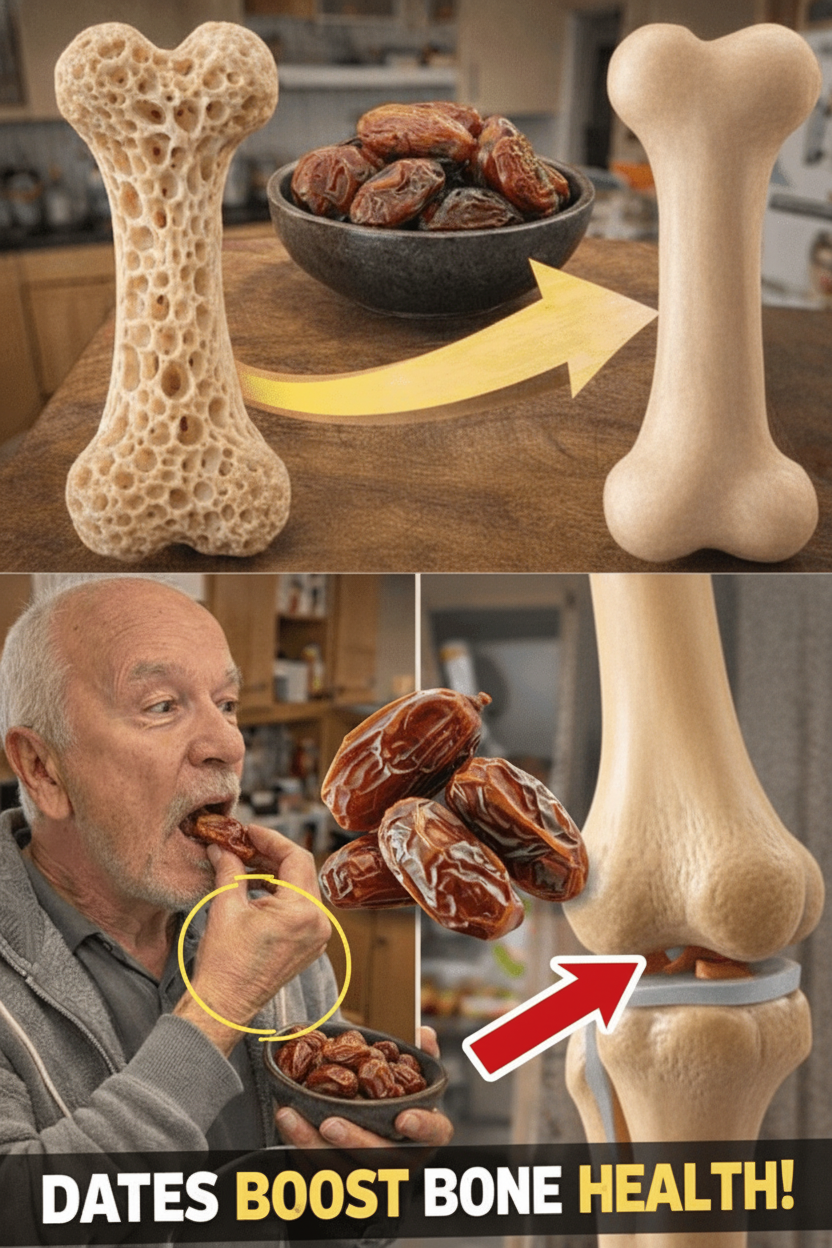
Potential Ways Dates Support Bone Wellness
Here are the key contributions dates can offer when included as part of a balanced and varied diet:
- Natural Calcium Source: Provides a readily available form of calcium to supplement daily intake, crucial for maintaining bone integrity.
- Magnesium Boost: Delivers magnesium, a mineral consistently linked in scientific studies to higher bone density, especially beneficial for postmenopausal women.
- Potassium for Retention: Supplies potassium, which aids in mineral retention and helps minimize the loss of calcium through urine.
- Phosphorus Synergy: Offers phosphorus, working in tandem with calcium to facilitate the optimal formation of bone crystals.
- Antioxidant Protection: Contains antioxidants that help combat oxidative stress, a factor implicated in the long-term health and aging of bones.
- Fiber for Absorption: Provides dietary fiber, which supports healthy digestion and nutrient absorption, ensuring your body can utilize bone-supporting minerals more effectively.
- Convenient & Affordable: Serves as an economical, shelf-stable, and widely accessible food option, making consistent consumption easy.
Comparing Dates to Other Bone-Friendly Choices
| Aspect | Dates | Dairy (e.g., Yogurt) | Leafy Greens (e.g., Kale) |
|---|---|---|---|
| Calcium | Moderate | High | High |
| Magnesium | High | Moderate | High |
| Potassium | Very High | Low | High |
| Ease of Consumption | Ready-to-eat | Needs refrigeration | Requires preparation |
| Supporting Evidence | Mineral contribution | Strong (calcium focus) | Good (vitamin K + Mg) |
Dates truly excel in terms of convenience and their rich potassium content, making them an excellent complementary food to staples like dairy products or leafy green vegetables for a holistic approach to bone health.
Practical Tips to Include Dates Daily
To achieve the best results, start modestly. Aim to consume 3–5 dates per day, perhaps as a satisfying snack. Follow this straightforward guide:
- Choose Wisely: Opt for plain, natural dates, consciously avoiding varieties with added sugars or artificial ingredients.
- Versatile Enjoyment: Eat them whole, or chop them to add to oatmeal, salads, or baked goods. For a softer texture, consider soaking them in water briefly.
- Balanced Pairing: Combine dates with nuts, Greek yogurt, or a slice of cheese. This helps balance their natural sugars and enhances satiety, keeping you fuller for longer.
- Strategic Snacking: Enjoy them mid-morning or in the afternoon to effectively curb cravings and provide a sustained energy boost.
- Listen to Your Body: Monitor how your body responds and adjust your intake if necessary, especially if you are managing blood sugar levels.
Remember, consistency is more important than striving for perfection; even a small, regular inclusion of dates can cultivate a positive habit for your bone health.
Enhancing Absorption and Overall Support
To maximize the benefits of the minerals found in dates, pair them with excellent sources of Vitamin D. This can include exposure to sunlight, consuming fortified foods, or incorporating fatty fish into your diet. Vitamin D plays a crucial role in enabling your body to absorb and utilize calcium effectively. By adopting a comprehensive approach that includes a nutrient-rich diet, regular physical activity, and adequate Vitamin D, you can provide robust support for your skeletal strength and overall well-being as you age.