 By admin
 Unlocking Joint Comfort: Exploring Virgin Coconut Oil as a Natural Support and How to Use It
Many individuals, particularly as they age or after years of an active lifestyle, encounter issues like joint stiffness. Common areas affected often include the knees and hips. Experiencing morning aches, a noticeable decrease in movement ease, or occasional discomfort during everyday activities can transform simple tasks into frustrating challenges. While numerous strategies exist to promote overall joint well-being, there’s a growing fascination with natural alternatives, especially incorporating specific foods for their potential supportive benefits. Could a widely available kitchen item seamlessly integrate into your routine to help nourish your tissues and foster enhanced comfort over time? In this article, we delve into virgin coconut oil (VCO) and examine how some individuals incorporate it into a balanced lifestyle for comprehensive joint support. Continue reading to uncover practical methods for its inclusion, informed by general insights from contemporary research.
Understanding Joint Discomfort and Natural Support Options
Joint-related issues frequently stem from a combination of factors, including occasional inflammation, reduced lubrication within the joint tissues, and daily oxidative stress impacting cellular health. As we progress through life, maintaining fluid movement and optimal flexibility becomes a significant priority for many. Both long-standing traditional wellness practices and the modern interest in functional foods emphasize ingredients rich in essential nutrients, such as beneficial fats and powerful antioxidants. Virgin coconut oil, which is extracted from fresh coconut meat without the use of high heat or harsh chemicals, is notable for its medium-chain fatty acids (like lauric acid) and naturally occurring compounds such as polyphenols. Some early animal studies and preliminary scientific investigations indicate that these components may play a role in supporting the body’s normal inflammatory responses and bolstering its antioxidant defenses. For example, certain laboratory and animal models have explored how constituents found in virgin coconut oil might influence specific markers associated with inflammation and the overall health of joint tissues. It’s important to note that human evidence remains limited and somewhat inconclusive, highlighting the need for more rigorous, high-quality studies. Nevertheless, its consistent use in traditional diets has sparked considerable interest regarding its broader role in promoting general wellness, including aspects related to joint comfort and mobility.
Key Properties of Virgin Coconut Oil That Draw Attention
Virgin coconut oil distinguishes itself through a unique chemical composition compared to many other culinary oils. Here’s what scientific inquiry commonly highlights:
- Medium-chain fatty acids (MCFAs) — These healthy fats are metabolized quickly, potentially offering a rapid energy source and contributing to overall metabolic balance.
- Antioxidant compounds — Rich in polyphenols, VCO helps the body combat oxidative stress at a cellular level, which is crucial for overall tissue health.
- Potential supportive effects — Preclinical studies have indicated certain anti-inflammatory and protective actions in experimental models designed to simulate joint stress.
A comprehensive review of existing evidence suggests that while the impact of coconut oil on broader health indicators (such as cholesterol levels) can vary, its robust antioxidant profile demonstrates considerable promise in specific physiological contexts. Crucially, the effectiveness of VCO largely depends on its quality—always prioritize organic, unrefined virgin varieties for maximum benefit.
How People Commonly Incorporate Virgin Coconut Oil for Daily Wellness
Many individuals integrate virgin coconut oil into their daily regimen in small, consistent quantities. Here are two widely adopted methods:
1. Internal Use (Dietary Incorporation)
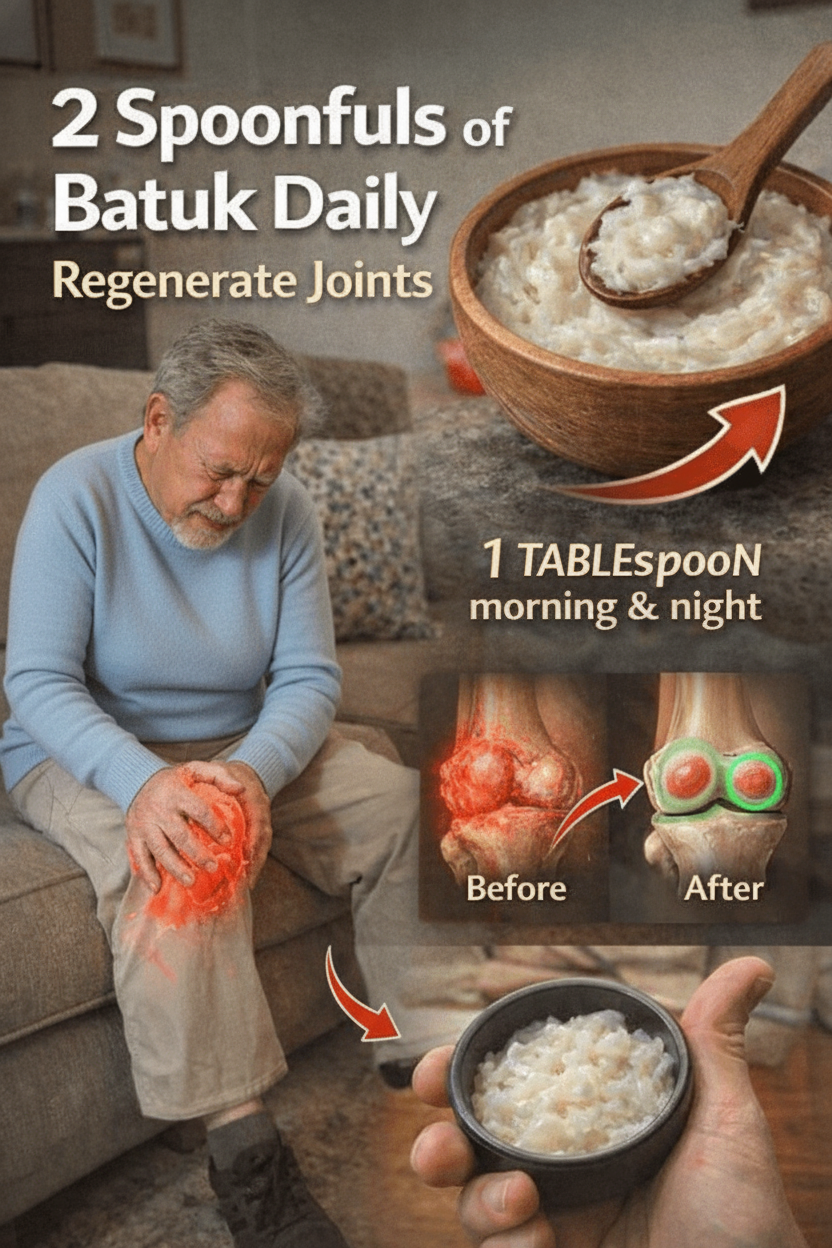
Begin with a modest amount to observe how your body responds. Popular suggestions include:
- Consuming 1 tablespoon in the morning, either on an empty stomach or stirred into a warm beverage like herbal tea or coffee.
- Blending it into smoothies, mixing it with oatmeal, or utilizing it as a healthy cooking oil (virgin coconut oil possesses a subtle, pleasant flavor).
- Taking an additional tablespoon later in the day, potentially alongside meals, to maintain consistent nourishment from its beneficial fats.
The emphasis here is on providing gradual nutritional support through healthy fats. Moderation is vital—aim for no more than 1-2 tablespoons daily to ensure it aligns with your overall caloric requirements.
2. External Application (Gentle Topical Routine)
Topical application offers a soothing and direct approach:
- Warm a small portion (approximately 1 teaspoon) of the oil between your hands until it becomes liquid.
- Gently massage it into the targeted joint area for 10-15 minutes using smooth, circular motions.
- For enhanced relaxation and potentially better absorption, cover the massaged area with a warm, damp towel.
- Apply this routine once or twice daily, for example, after showering or before bedtime.
This method can help promote localized circulation and may offer temporary relief from stiffness through the combined effects of warmth and moisture.
What Might You Notice with Consistent Use?
When virgin coconut oil is thoughtfully incorporated into a holistic, healthy lifestyle—one that includes balanced nutrition, adequate hydration, and regular gentle physical activity—many users have reported subtle, positive changes over a period of weeks or months, such as:
- Experiencing easier mornings with a reduction in initial joint tightness.
- A noticeable sense of smoother mobility and greater ease during daily activities.
- Overall feelings of enhanced tissue comfort and relaxation in the joints.
It is crucial to remember that these observations are highly individual and not universally guaranteed. Broader lifestyle factors, including maintaining a healthy body weight, consuming a diet rich in anti-inflammatory foods (like fresh fruits, diverse vegetables, and sources of omega-3 fatty acids), and consistently staying active, all play exceptionally significant roles in long-term joint health and comfort.