 By admin
 Understanding Brittle Nails: 10 Common Causes and Effective Strategies for Stronger, Healthier Nails
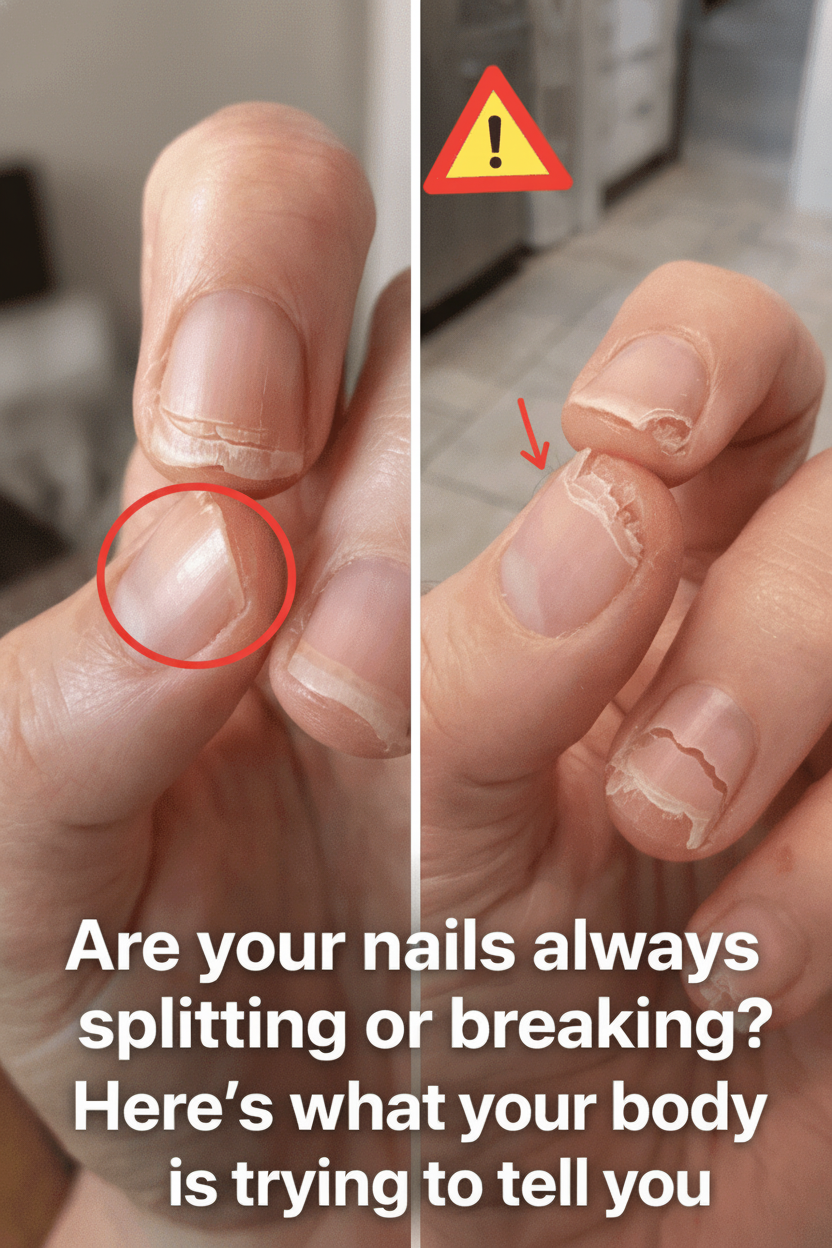
Experiencing brittle nails that frequently split, peel, or break can be a source of significant frustration. Simple daily actions, from opening a package to typing, can lead to painful snags and unsightly damage, impacting your confidence and comfort. This common issue, affecting up to 20% of adults and notably more prevalent in women over 50, often stems from identifiable factors. The good news is that by understanding the root causes of fragile nails, you can implement practical changes to foster stronger, healthier growth. This comprehensive guide will delve into 10 prevalent reasons why your nails might be breaking and offer actionable tips to enhance their resilience. Be sure to read until the end for an intriguing insight that links many of these factors.
What Makes Nails Prone to Brittleness and Splitting?
The primary component of your nails is keratin, a robust protein designed to safeguard your fingertips. When this protective structure loses its optimal moisture balance, endures continuous stress, or signals internal physiological changes, nails can transform, becoming dry, soft, or prone to delamination. While serious underlying conditions can play a role, dermatological studies frequently attribute nail brittleness to external habits and environmental influences.
1. Frequent Water Exposure and Hand Washing
Constant immersion and drying of hands, such as through frequent washing or occupations requiring prolonged contact with water, rapidly depletes the natural oils essential for nail health. This cyclical process of hydration followed by dehydration severely dries out the nail plate, making it highly susceptible to cracking and splitting. Individuals regularly washing dishes or working in moist conditions often experience this issue.
2. The Natural Process of Aging
With advancing age, the body’s metabolic processes slow down, affecting nail growth and their ability to retain moisture. Research indicates that post-menopausal women, in particular, frequently observe heightened nail fragility, primarily due to a decrease in lipid content within the nail plate. While this natural progression cannot be entirely prevented, adopting a gentle and consistent nail care routine can significantly mitigate its effects.
3. Arid Climates and Seasonal Changes
Cold, low-humidity air, especially prevalent during winter months, actively draws moisture away from the nails. When combined with the drying effects of indoor heating systems, this environmental stress can render nails significantly more fragile and prone to breakage. Many individuals report a noticeable increase in nail splitting during drier seasons.
4. Contact with Harsh Chemicals
Regular exposure to aggressive chemicals found in household cleaners, detergents, and certain nail polish removers (especially those containing acetone) strips away the natural protective oils from the nails. Over time, this chemical assault compromises the structural integrity of the nail bed, often resulting in peeling or transverse splits across the nail surface.
5. Aggressive Nail Care Practices and Trauma
Misusing nails as tools, habitual nail biting, or the frequent application of nail polish and extensions can inflict micro-damage upon the nail structure. Long nails are inherently more vulnerable to snagging and trauma, while aggressive filing techniques can further thin and weaken the nail plate, exacerbating brittleness.
6. Insufficient Overall Hydration
Just like the rest of your body, your nails require adequate hydration to maintain their flexibility and strength. A lack of sufficient water intake contributes to overall bodily dehydration, which in turn manifests as dry, rigid nails that are more susceptible to cracking and breakage.
7. Key Nutritional Deficiencies: The Role of Biotin
Biotin, a vital B vitamin present in foods like eggs, nuts, and leafy greens, plays a crucial role in supporting the keratin infrastructure of nails. Although research findings can vary, some smaller studies have indicated that consistent biotin supplementation may lead to improvements in nail thickness and a reduction in nail splitting for certain individuals.
8. Iron Levels and Associated Indicators
Low iron levels can impede the efficient delivery of oxygen to rapidly growing cells, including those responsible for nail formation. In a subset of cases linked to dietary insufficiencies or absorption issues, this can manifest as general nail weakness or even distinct spoon-shaped nails, medically known as koilonychia.
9. Adequate Protein for Keratin Synthesis
Given that keratin constitutes the vast majority of your nails, a consistent intake of protein is fundamental for maintaining their robust structure. Dietary sources such as lean meats, legumes, and dairy products provide the necessary building blocks. Diets deficient in these essential proteins can contribute to softer, more breakable nails.
10. Underlying Health and Skin Conditions
Certain medical or dermatological conditions can significantly impact nail health. Psoriasis, for instance, can cause pitting, while fungal infections often lead to thickening and brittleness. Furthermore, changes in thyroid function or other systemic health factors are occasionally associated with ridged or fragile nails, making it important to consult a healthcare professional if other symptoms arise.
Practical Habits to Cultivate Stronger Nails
Implementing these straightforward practices can significantly contribute to the health and resilience of your nails:
- Protect Your Hands: Always wear cotton-lined gloves when engaging in wet chores, dishwashing, or using cleaning agents to shield your nails from excessive water and harsh chemicals.
- Hydrate Consistently: Apply a rich hand and cuticle cream, ideally containing ingredients like lanolin or ceramides, daily. The best time to moisturize is immediately after washing your hands, while the skin and nails are still slightly damp, to lock in moisture.
- Gentle Filing Techniques: Use a fine-grit emery board to file your nails in a single, consistent direction. This technique helps to smooth edges and prevent snags, unlike back-and-forth “sawing” motions which can weaken the nail structure.
- Maintain Shorter Lengths: Keeping your nails trimmed to a shorter, manageable length minimizes the risk of them catching on objects, reducing the likelihood of splits and breaks.
- Prioritize Internal Hydration: Ensure you’re drinking an adequate amount of water throughout the day. Proper overall body hydration is crucial for maintaining the moisture content of your nails.
- Embrace a Nutrient-Rich Diet: Incorporate foods abundant in essential nutrients into your meals. Excellent choices include eggs, various nuts, leafy greens like spinach, lentils, and lean protein sources, all of which support keratin production and nail integrity.
- Allow for “Nail Breaks”: Periodically give your nails a rest from nail polish and harsh removers. This allows them to breathe and recover their natural strength without constant chemical exposure.
- Opt for Milder Products: If you frequently enjoy manicures, choose nail polishes and removers that are free from harsh chemicals, particularly acetone, which can be extremely drying and damaging to the nail plate.
With consistent application of these habits, many individuals observe noticeable improvements in their nail strength and appearance, often within a few weeks to several months as healthier new growth develops. The key takeaway often linking many of these points is the importance of both external protection and internal nourishment to maintain optimal moisture balance and structural integrity for your nails.