 By admin
 Many individuals experience the unwelcome sensations of heavy, fatigued legs and the appearance of prominent veins, which can significantly impact daily well-being. Extended periods of standing or sitting often exacerbate these issues, leading to uncomfortable swelling, persistent aching, and a restless feeling, particularly as the day progresses. These symptoms frequently arise from compromised blood flow returning from the lower limbs. While professional medical guidance is crucial for effective management, embracing supportive lifestyle choices can profoundly contribute to overall vein health and comfort. What if a common kitchen ingredient could offer a natural boost to your daily regimen? Both scientific investigations and age-old traditional practices highlight garlic as a compelling option for its potential to naturally assist circulation.
Understanding Varicose Veins and Circulatory Challenges
Varicose veins develop when veins, most commonly in the legs, become enlarged and twisted. This condition typically results from weakened valves within the veins that fail to function efficiently, allowing blood to accumulate rather than flowing smoothly back towards the heart. The consequences can include visibly bulging veins, accompanied by sensations of heaviness, throbbing, or mild swelling. Several factors contribute to their development, such as prolonged standing, pregnancy, excessive body weight, and advancing age. Inadequate circulation further complicates the problem, intensifying inflammation and discomfort. While medical interventions are designed to address the underlying causes, complementary strategies often focus on improving blood flow and alleviating stress on the veins. Research indicates that certain foods, rich in anti-inflammatory and circulation-enhancing properties, may play a role in maintaining superior vascular function. Among these, garlic stands out, largely due to potent compounds like allicin.
The Science Behind Garlic’s Potential Benefits for Circulation
Garlic has garnered considerable scientific attention for its positive impact on cardiovascular health, with accumulating evidence suggesting it can enhance blood flow and mitigate inflammation. Its primary active component, allicin, is formed when fresh garlic is crushed or chopped and is associated with powerful antioxidant and anti-inflammatory effects. Studies indicate that garlic compounds may support optimal endothelial function – the health of the delicate inner lining of blood vessels. This support helps maintain vessel flexibility and proper dilation, facilitating smoother and more efficient blood circulation. Some research suggests that regular garlic supplementation can improve peripheral blood flow, which could indirectly benefit leg comfort by aiding venous return. For instance, clinical observations have noted a correlation between consistent garlic intake and improved vascular responses, alongside reduced oxidative stress – key factors intimately linked to vein health. While direct, large-scale evidence specifically on varicose veins remains somewhat limited, often stemming from anecdotal reports or smaller studies, garlic’s well-documented role in promoting overall systemic circulation makes it a popular natural consideration. Furthermore, garlic contains various sulfur compounds that may contribute to reducing platelet aggregation, thereby supporting healthier blood consistency and potentially lowering excessive clotting risks.
Integrating Garlic into Your Daily Routine for Circulatory Support
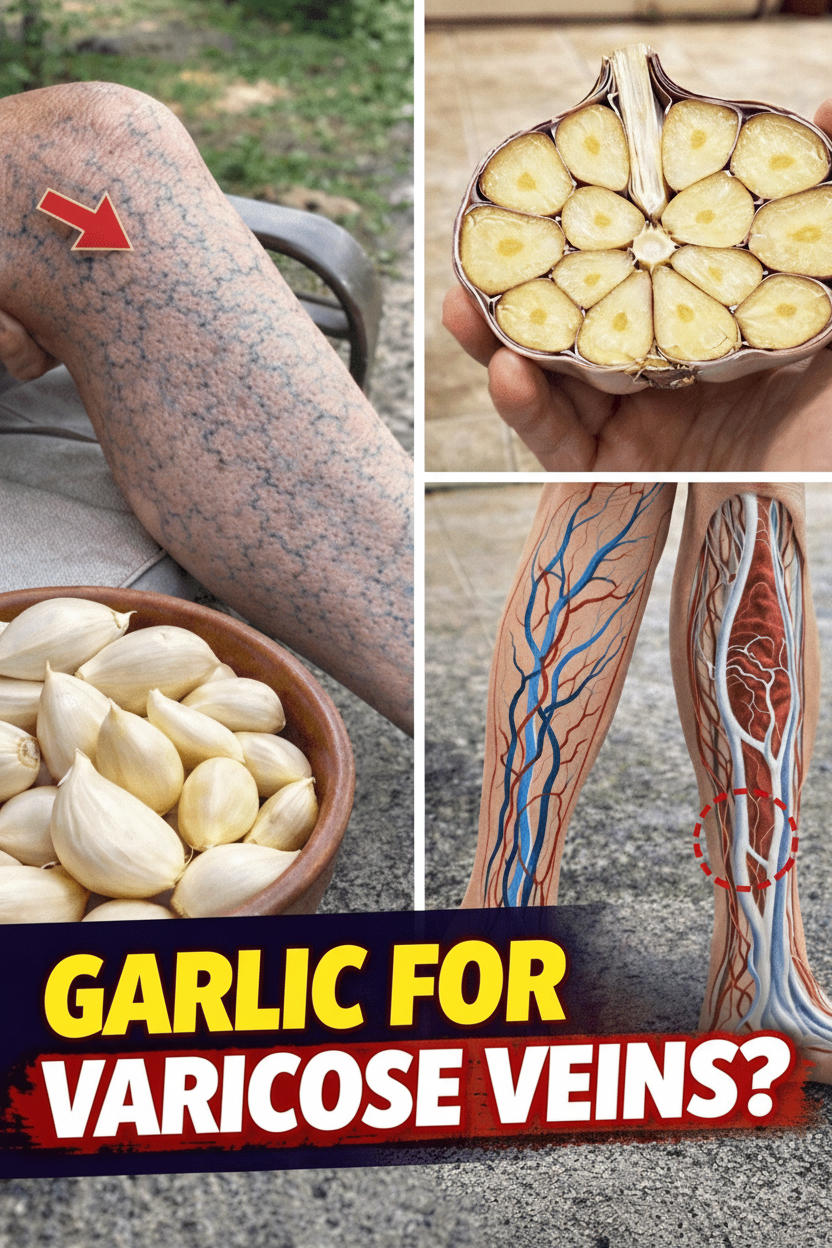
Incorporating garlic into your diet doesn’t require complex changes. Many people already use it for its distinctive flavor, unknowingly also benefiting from its potential circulatory advantages. Here are practical ways to include more garlic:
- Raw or Lightly Cooked: To maximize the formation of allicin, crush a clove and allow it to sit for approximately 10 minutes before adding it to salads, homemade dressings, or spreads like hummus.
- In Cooked Dishes: Sautéing minced garlic in olive oil forms an excellent aromatic base for a wide range of dishes, including soups, stir-fries, or roasted vegetables. While heat may slightly diminish allicin content, other beneficial compounds remain active.
- Topical Applications: Some individuals prepare a simple garlic-infused olive oil blend for a gentle topical leg massage. Always perform a patch test on a small skin area first and consult a healthcare professional before extensive use.
- Supplements: For a concentrated and convenient option, aged garlic extract or standardized allicin-yielding products are available. These are often utilized in clinical studies exploring cardiovascular benefits. Begin with a small dose to prevent potential digestive upset, and always integrate garlic consumption with a balanced diet rich in fiber, antioxidants, and adequate hydration.
Complementary Lifestyle Habits for Enhanced Vein Health
Dietary choices, including the addition of garlic, represent only one aspect of a comprehensive approach to vein health. Combining garlic intake with these evidence-based lifestyle habits can significantly enhance overall leg comfort and circulatory function:
- Stay Active: Engage in low-impact exercises such as walking, swimming, or simple calf raises. These activities effectively promote the muscle pumping action in the legs, which is vital for aiding efficient venous return.
- Elevate Your Legs: Regularly raising your legs above heart level for 10-15 minutes daily can help reduce blood pooling and alleviate swelling.
- Maintain a Healthy Weight: Excess body weight places additional pressure on the leg veins. Gradual and sustainable weight management can significantly lighten this load and improve vein function.
- Consider Compression Stockings: If recommended by a doctor, graduated compression stockings provide gentle, external support that assists in promoting better blood flow from the legs back to the heart. Always seek medical advice before using compression wear.
- Avoid Prolonged Inactivity: Make a conscious effort to take frequent breaks to move around and change positions if your daily routine involves extended periods of sitting or standing.
By integrating garlic with these supportive lifestyle modifications, you can take proactive steps toward maintaining healthier leg circulation and improved vein comfort. Remember, for any persistent or worsening vein issues, consulting with a healthcare professional is always the recommended course of action.