 By admin
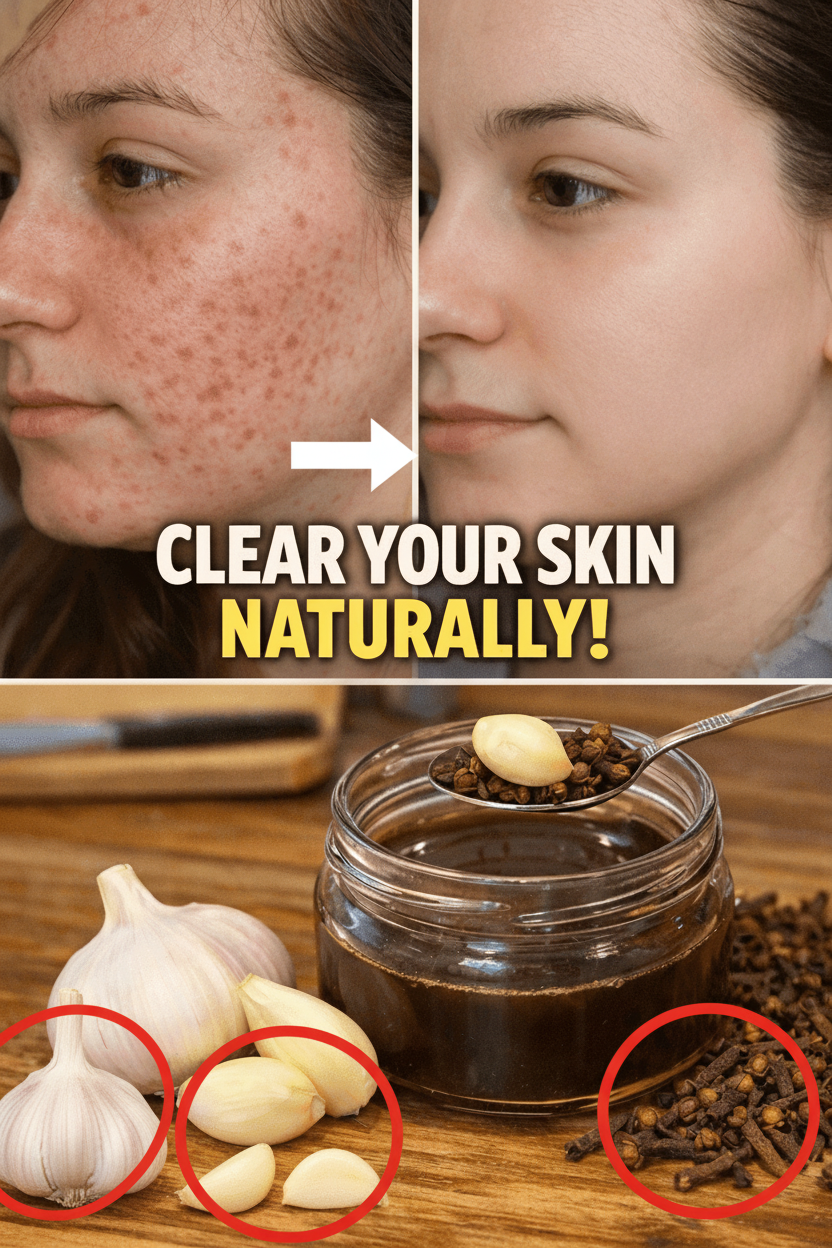
 Addressing common skin concerns such as uneven skin tone, persistent dark spots, or post-inflammatory pigmentation can often be a source of frustration. These issues not only impact skin appearance but can also diminish confidence and complicate daily skincare routines. In the quest for gentle, accessible solutions, many individuals turn to everyday kitchen ingredients like garlic and cloves, which have garnered attention for their potential role in supporting a healthier complexion. Could a simple combination from your pantry truly offer beneficial support?
This article delves into how garlic and cloves are traditionally valued for skin health and examines what limited scientific studies suggest about their properties. Our aim is to provide a balanced perspective, fostering realistic expectations and emphasizing safe practices.
Why Traditional Wisdom Points to Garlic and Cloves for Skin Concerns
For centuries, various cultures have utilized garlic for its potent compounds. The primary active ingredient, allicin, is released when fresh garlic is crushed or chopped. Research, including insights from dermatology publications, highlights garlic’s notable antimicrobial and anti-inflammatory characteristics. These properties may contribute to calming irritated skin and promoting overall dermal balance.
Cloves, on the other hand, bring their own unique strengths, being rich in eugenol and a wealth of antioxidants. These components are recognized for their protective effects against oxidative stress—a key factor that can contribute to visible skin changes and premature aging over time. When combined, as often seen in homemade preparations, these two ingredients create a synergistic mixture that enthusiasts prepare for targeted, occasional use.
While laboratory studies on individual components show promise, real-world outcomes can vary significantly and depend heavily on proper handling and application. Interestingly, many users report positive experiences with consistent, careful application, but prioritizing safety is paramount to avoid potential adverse reactions.
Understanding the Potential for Addressing Dark Spots and Pigmentation
Dark spots and hyperpigmentation commonly arise from excessive melanin production, often triggered by sun exposure, inflammation, or the natural healing process. Some sources propose that the sulfur compounds present in garlic might assist in gentle exfoliation and help regulate melanin activity, potentially fostering a more even skin tone over time. Meanwhile, the powerful antioxidants in cloves could play a role in safeguarding skin cells from daily environmental damage, thereby supporting a brighter, more luminous appearance.
A number of anecdotal reports and traditional practices highlight the use of mixtures, such as infused oils or pastes, for addressing specific spot concerns. Research, including studies on garlic’s wound-healing capabilities, suggests it may promote smoother recovery in certain instances. One clinical observation, for example, noted improved cosmetic outcomes at specific wound sites when garlic-based applications were used compared to control groups. However, direct scientific evidence specifically confirming dramatic changes in pigmentation remains limited and largely indirect. It’s important to view these ingredients as supportive aids rather than transformative solutions.
Ultimately, the true value of these natural ingredients lies in their thoughtful preparation and judicious application.
Safety First: Essential Precautions Before Topical Use
It is crucial to understand that raw garlic, when applied directly to the skin, can cause irritation due to its potent sulfur compounds. Dermatological reports describe instances of redness, burning, or even contact dermatitis when garlic is used improperly. Cloves are generally considered milder but can still cause sensitization if overused. Always prioritize patch testing and proper dilution.
Key Safety Guidelines:
- Never apply undiluted raw garlic directly to facial skin.
- Avoid use on open wounds, cuts, or broken skin.
- Discontinue use immediately if any irritation, redness, burning, or discomfort occurs.
- Consult a dermatologist if you have sensitive skin, pre-existing skin conditions, or ongoing dermatological concerns before trying new home remedies.
Adhering to these precautions will help you explore the potential benefits safely, minimizing unnecessary risks.
Crafting a Gentle Garlic and Cloves Infused Oil at Home
This method emphasizes infusion to create a milder product, reducing the risk of direct raw application.
Step-by-Step Guide:
- Gather Ingredients: Obtain 3-4 fresh garlic cloves and 1 tablespoon of whole dried cloves.
- Prepare Garlic: Peel and lightly crush the garlic cloves to encourage the release of their beneficial compounds.
- Combine: Place the crushed garlic and whole cloves into a clean, sterile glass jar.
- Add Carrier Oil: Pour approximately 1/2 cup of a gentle carrier oil, such as jojoba oil or olive oil, over the ingredients, ensuring they are fully submerged.
- Infuse: Seal the jar tightly and store it in a cool, dark place for 7-10 days. Gently shake the jar once daily to facilitate infusion.
- Strain: After the infusion period, strain the oil through a fine mesh sieve or cheesecloth into a clean, dark glass bottle to remove all solid particles.
- Store: Keep the infused oil refrigerated. It can typically be stored for up to one month.
This process results in a milder infusion where the active elements are slowly transferred to the carrier oil.
Simple Ways to Integrate the Infused Oil into Your Routine
Utilize the homemade infused oil sparingly as part of your evening skincare ritual. Before full application, always perform a patch test on a discreet area of your inner arm for 24 hours to check for any adverse reactions.
- Application: After cleansing your skin, apply a few drops of the infused oil to the areas of concern.
- Massage: Gently massage the oil into your skin until absorbed.
- Hydration: Follow with your regular moisturizer to lock in hydration and further protect the skin barrier.
- Frequency: Begin by using the oil 2-3 times per week, carefully monitoring your skin’s response before increasing frequency.
For an added soothing effect, some users choose to blend a few drops of the infused oil with aloe vera gel. Remember, consistency and caution are key when incorporating new natural remedies into your skincare regimen.