 By admin
 Uncover the Hidden Clues: 15 Early Diabetes Symptoms That Show on Your Skin and Body
Many individuals navigate their daily routines experiencing unusual thirst or more frequent trips to the restroom, often dismissing these subtle shifts. Over time, these minor inconveniences can gradually diminish energy levels and focus, without a clear understanding of their underlying cause. The concern deepens when noticeable skin changes, such as persistent red spots or darker skin patches, emerge and refuse to disappear, potentially impacting self-confidence. The encouraging news is that recognizing these signals early on can empower you to engage in crucial conversations with your healthcare provider about your overall well-being. But what if some of the most telling indicators are those you observe daily in the mirror or sense in unexpected ways? Discovering a comprehensive list of these signs could fundamentally alter how you perceive your everyday habits and health.
Why Early Detection of These Changes Matters Significantly
According to leading health organizations like the Centers for Disease Control and Prevention (CDC) and the Mayo Clinic, the body frequently communicates early warnings when blood sugar regulation begins to falter. These messages often manifest gradually, impacting everything from daily comfort to the appearance and texture of your skin. What often surprises people most is how subtle these initial signs can be, making them easy to attribute to normal aging, stress, or other minor ailments. However, recognizing them promptly opens the door to proactive lifestyle adjustments and supports more informed discussions with your doctor, paving the way for better health outcomes.
The 15 Initial Indicators That May Point to Diabetes
Health authorities such as the Mayo Clinic and the American Diabetes Association highlight that individuals may experience one or more of the following symptoms. This clear list is designed to help you identify potential patterns in your own health:
- Persistent Thirst: Feeling unusually thirsty, even after drinking fluids, a sensation that is difficult to quench.
- Increased Urination: Needing to urinate more often than usual, especially noticeable during nighttime hours.
- Unrelenting Hunger: Experiencing intense hunger shortly after consuming a meal.
- Unexplained Weight Loss: Losing weight unintentionally despite maintaining regular eating habits.
- Chronic Fatigue: A profound sense of tiredness or lack of energy that isn’t alleviated by sufficient rest.
- Fluctuating Blurred Vision: Episodes of blurry eyesight that appear and disappear.
- Slow-Healing Sores: Minor cuts, scrapes, or bruises that take an extended time to heal.
- Frequent Infections: A higher susceptibility to infections, including skin issues, yeast infections, or ear infections.
- Numbness or Tingling: Sensations of tingling, numbness, or pins and needles in the hands or feet.
- Dark Skin Patches: The appearance of dark, velvety patches of skin, particularly in neck folds, armpits, or groin.
- Persistent Itchiness: Unexplained and persistent itching of the skin.
- Skin Spots: Small red or brown spots or lesions appearing on the lower legs or thighs.
- Nail Alterations: Changes in fingernails or toenails, such as thickening, discoloration, or fungal infections.
- Chronic Dry Mouth: A persistent feeling of dryness in the mouth throughout the day.
- Mood Swings: Increased irritability, mood shifts, or unexplained changes in temperament.
Beyond these common indicators, some signs manifest visibly on the skin and warrant closer examination.
Skin Manifestations: Often the First Visible Signs
One of the most striking visual cues is the presence of dark, thickened skin patches that feel velvety to the touch, frequently observed around the neck, armpits, or groin. Research from the Mayo Clinic connects this condition, known as acanthosis nigricans, to how the body processes insulin, often appearing in skin folds. While discovering such a change in the mirror can be surprising, many find it beneficial to mention it during a routine medical check-up.
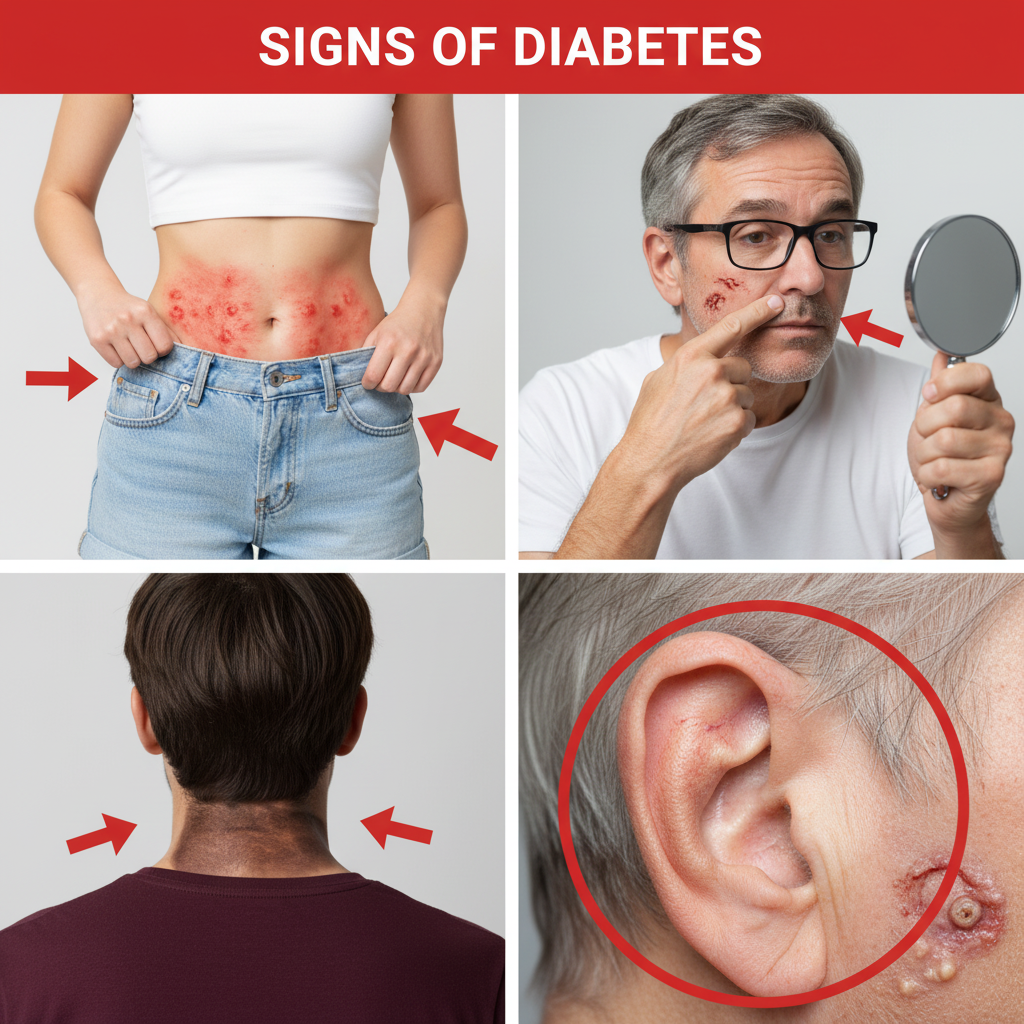
Another common observation includes reddish or itchy spots on the thighs, hips, or lower body. These can sometimes resemble minor rashes and may be linked to how elevated blood sugar levels impact skin health over time. Interestingly, the same high-sugar environment that the body struggles to regulate can also heighten the risk of various infections, including those affecting the ears, presenting as redness or discomfort within the ear canal.
Nail changes also serve as a significant area for observation. Thickened or discolored nails that appear to grow slower or are more prone to issues, such as fungal infections, can be indicative of underlying health concerns. Diligent grooming and regular self-examination become important components of daily health awareness.
Neurological and Energy-Related Symptoms You Might Experience Daily
Sensations of tingling or numbness in the hands or feet, often referred to as neuropathy, along with a pervasive sense of tiredness even after adequate sleep, frequently accompany other physiological changes. The Mayo Clinic notes that these symptoms can develop gradually, subtly affecting your daily activities and overall quality of life. Increased thirst and frequent bathroom visits often go hand-in-hand because the body actively works to eliminate excess sugar through urination. The advantage of understanding these connections is that simple tracking habits can help you identify patterns early, prompting timely intervention.
Actionable Steps You Can Implement Today
You don’t need sophisticated equipment to begin fostering greater awareness of your health. Consider these straightforward suggestions that many individuals find beneficial:
- Monitor Daily Symptoms: Keep a simple daily log of how frequently you experience thirst or fatigue.
- Perform Regular Skin Checks: Examine your skin in good lighting once a week, paying close attention to your neck, armpits, groin, and lower body areas.
- Prioritize Balanced Nutrition: Opt for well-rounded meals rich in vegetables, whole grains, and lean proteins.
- Incorporate Regular Movement: Engage in at least 20 minutes of physical activity most days, choosing activities you genuinely enjoy.
- Schedule Wellness Visits: Book regular check-ups with your healthcare provider to discuss any ongoing changes or concerns.
By staying attentive to your body’s signals and adopting these proactive habits, you take significant steps toward managing your health and potentially preventing the progression of serious conditions like diabetes. Your health journey begins with awareness and action.