 By admin
 Atorvastatin, a widely prescribed medication within the statin class, plays a crucial role for millions in managing high cholesterol levels and safeguarding cardiovascular health. While its efficacy in significantly reducing the risk of heart attacks, strokes, and other heart-related complications is well-documented, some individuals may encounter adverse reactions. These side effects can vary from minor, transient discomforts to more significant concerns, with muscle aches, digestive disturbances, and headaches being among the most commonly reported issues.
Understanding these potential effects is vital for anyone considering or currently taking atorvastatin. It empowers you to engage in informed discussions with your healthcare provider, ensuring the medication aligns with your individual health profile and lifestyle. This comprehensive guide delves into both the frequent and less common side effects associated with atorvastatin, drawing upon reputable medical sources. We will explore what signs to monitor, practical strategies for managing discomfort, and the paramount importance of open communication with your doctor. Continue reading to discover actionable advice that many patients find beneficial during their statin therapy.
What is Atorvastatin and Why is it Prescribed?
Atorvastatin belongs to a category of drugs known as statins. Its primary mechanism involves inhibiting a specific enzyme in the liver responsible for cholesterol production. By doing so, it effectively lowers levels of low-density lipoprotein (LDL) cholesterol, often referred to as ‘bad’ cholesterol, and triglycerides, while simultaneously increasing high-density lipoprotein (HDL) cholesterol, or ‘good’ cholesterol. Medical professionals frequently recommend atorvastatin for individuals diagnosed with elevated cholesterol, those with a history of heart disease, or patients at an increased risk of experiencing a heart attack or stroke.
Extensive research, including studies highlighted by institutions such as the Mayo Clinic, consistently demonstrates that statins like atorvastatin can substantially diminish the likelihood of adverse cardiovascular events in suitable patients. Nevertheless, similar to all pharmaceutical interventions, atorvastatin carries the potential for side effects, which can manifest differently from one person to another.
Common Side Effects Associated with Atorvastatin
Most individuals tolerate atorvastatin without significant issues, yet some may experience mild adverse reactions. These often improve as the body adjusts to the medication or can be managed with simple modifications. According to trusted medical resources such as the NHS and WebMD, the following are among the more frequently reported side effects:
- Muscle Discomfort or Weakness (Myalgia): This affects a notable percentage of users but is typically mild and manageable.
- Gastrointestinal Disturbances: Symptoms may include nausea, diarrhea, indigestion, or excessive gas.
- Headaches and Joint Aches: These are common complaints among new users.
- Nasopharyngitis: Often described as cold-like symptoms, such as a sore throat or a runny nose.
- Fatigue or Sleep Disturbances: Some individuals report feeling unusually tired or having difficulty sleeping.
It’s important to note that these effects frequently emerge during the initial stages of treatment and may subside as your system acclimates to the medication.
Less Common but Clinically Significant Side Effects
While infrequent, certain side effects warrant prompt medical attention due to their potential seriousness. Reports and clinical studies from authoritative sources underscore the possibility of these less common reactions:
- Elevated Blood Sugar Levels: This can potentially heighten the risk of developing type 2 diabetes, particularly in individuals who are already predisposed.
- Cognitive Effects: Some patients report issues like memory impairment or confusion, though large-scale reviews have not established a strong causal link to dementia.
- Liver Enzyme Alterations: Your doctor will typically monitor liver function through blood tests both before and during your treatment to detect any significant changes.
On a reassuring note, severe complications such as extensive muscle breakdown (rhabdomyolysis) or substantial liver damage are exceedingly rare, especially when patients are properly monitored by their healthcare providers.
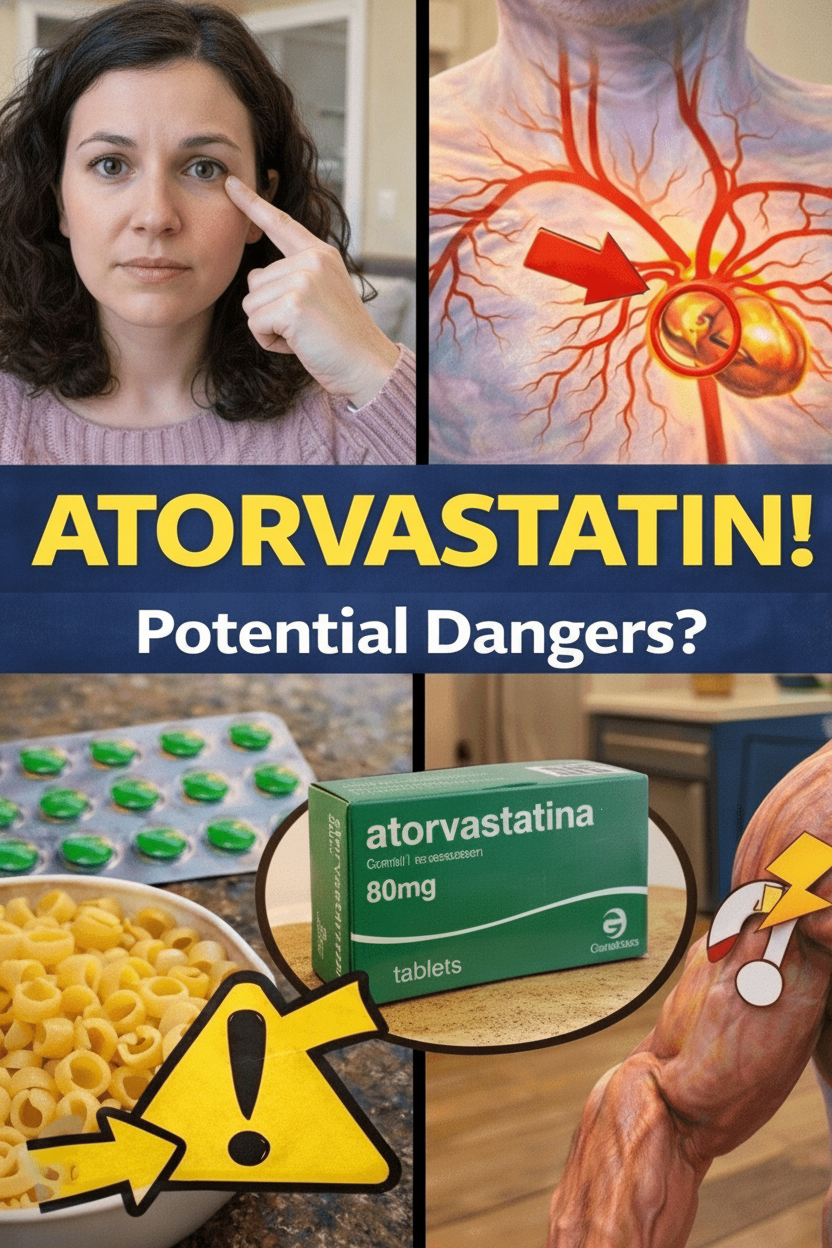
15 Potential Atorvastatin Side Effects: An In-Depth Overview
Here is a detailed enumeration of 15 side effects linked to atorvastatin, compiled from clinical research and patient experiences:
- Muscle pain or aches
- Joint pain
- Diarrhea
- Nausea or upset stomach
- Headache
- Fatigue
- Indigestion or heartburn
- Gas or bloating
- Runny nose or sore throat
- Insomnia or sleep disturbances
- Increased blood sugar
- Liver enzyme elevations
- Memory fog or forgetfulness
- Skin rash (rare allergic reactions)
- Dizziness
Many of these reactions are mild and typically reversible upon discontinuation of the medication. A recent analysis published in various medical journals suggests that some reported effects may occur at rates similar to those observed with a placebo, indicating that factors such as patient awareness or the nocebo effect could play a role.
Serious Side Effects: When to Seek Immediate Medical Help
It is imperative to discontinue atorvastatin and contact your doctor without delay if you experience any of the following symptoms:
- Unexplained, Severe Muscle Pain, Tenderness, or Weakness: Especially if accompanied by dark-colored urine, as this could indicate a serious condition like rhabdomyolysis.
- Signs of Liver Problems: Including yellowing of the skin or eyes (jaundice), unusually dark urine, or pale stools.
- Intense Abdominal Pain: Severe stomach pain that is persistent or worsening.
- Symptoms of an Allergic Reaction: Such as a widespread rash, swelling of the face, lips, tongue, or throat, or difficulty breathing.
While these severe reactions are uncommon, recognizing them early is crucial for timely and effective intervention.
Practical Tips to Manage Side Effects and Enhance Comfort
If you are experiencing mild side effects from atorvastatin, consider these practical strategies. Always consult your doctor or pharmacist before making any changes to your medication regimen or incorporating new management techniques:
- Consistent Dosing Schedule: Take atorvastatin at the same time each day, often in the evening, as cholesterol production in the liver is thought to peak overnight.
- Dietary Adjustments: To alleviate digestive upset, stay well-hydrated and opt for bland, easily digestible meals. Avoid fatty or spicy foods that might exacerbate symptoms.
- Gentle Physical Activity: Incorporate light exercise into your routine, such as walking, swimming, or cycling. This can help reduce muscle stiffness and improve overall well-being. However, avoid strenuous activities that might worsen muscle pain.
- Over-the-Counter Pain Relief: For mild muscle aches or headaches, over-the-counter pain relievers like acetaminophen (paracetamol) may offer relief, but check with your doctor first, especially if you have liver concerns.
- Open Communication with Your Doctor: Regularly discuss any side effects you experience with your healthcare provider. They may suggest adjusting your dosage, trying a different statin, or exploring other cholesterol-lowering options. Never stop taking your medication without medical advice.
Living with a chronic condition like high cholesterol requires a proactive approach to your health. By understanding the potential side effects of atorvastatin and actively engaging with your healthcare team, you can work towards achieving your health goals while minimizing discomfort. Your doctor is your best resource for personalized advice and management strategies.