 By admin
 Guava Leaves for Oral Health: Unveiling Nature’s Solution for a Healthier Smile
Maintaining optimal oral health is a universal challenge, with issues like dental caries (tooth decay) impacting countless individuals globally. These common concerns frequently manifest as discomfort, heightened sensitivity, and necessitate frequent dental appointments. The persistent ache from a cavity can transform simple acts like eating and drinking into daily struggles, while anxiety about worsening conditions adds unnecessary stress. Consequently, many are actively seeking gentle, natural alternatives to complement their established oral hygiene regimens. This is precisely where guava leaves emerge as a fascinating, time-honored botanical with significant potential. This comprehensive guide will delve into practical applications derived from both traditional wisdom and contemporary scientific research, and be sure to read until the end for an often-missed preparation secret!
Why Guava Leaves Are Gaining Attention in Oral Wellness
Derived from the common *Psidium guajava* tree, guava leaves boast a rich heritage across numerous cultures, prized for their ability to promote overall oral freshness. Their potent appeal stems from a wealth of beneficial compounds, including flavonoids, tannins, and quercetin, which endow these leaves with properties of great interest to scientists investigating natural solutions for maintaining a healthy oral environment. Emerging research indicates that extracts from guava leaves exhibit encouraging antimicrobial capabilities against specific oral pathogens, notably *Streptococcus mutans*, a primary contributor to plaque formation. For example, studies have explored how topical applications like guava leaf rinses might contribute to inhibiting bacterial adhesion and fostering a more balanced oral microbiome. A significant factor in this plant’s growing popularity is its widespread availability—it frequently thrives in domestic gardens and is generally cost-effective—making it an attractive subject for those aiming to enhance their daily oral care routine beyond conventional brushing and flossing. Yet, there’s even more to uncover about its profound benefits…
The Scientific Basis: How Guava Leaves Support Oral Health
Both laboratory and clinical investigations consistently underscore the promising role of guava leaves in comprehensive oral care. Numerous studies have rigorously examined the capacity of guava leaf extracts to impede bacterial proliferation, a critical factor in the development of plaque and the progression of dental decay. A notable randomized controlled trial, for instance, demonstrated a significant reduction in plaque accumulation over time among participants using a guava leaf extract mouthrinse, compared to a placebo group. Furthermore, *in vitro* experiments have revealed that certain concentrations of guava extract can effectively curb the activity of *Streptococcus mutans* on dental surfaces, performing comparably to established oral hygiene agents. Beyond their antibacterial properties, research also highlights the anti-inflammatory advantages offered by compounds like quercetin, which can help alleviate discomfort in irritated gum tissues. These compelling findings are frequently published in reputable, peer-reviewed sources such as PubMed-indexed journals and comprehensive reviews focusing on traditional botanicals in contemporary dentistry. It is crucial to remember, however, that while these observations are highly supportive, guava leaves should be considered a complementary approach and never a substitute for professional dental consultations or prescribed treatments. Below is a summary of the primary bioactive compounds:
- Flavonoids (e.g., quercetin): Provide antioxidant support and contribute to managing bacterial populations in the mouth.
- Tannins: Valued for their astringent properties, which can assist in firming gum tissues.
- Essential oils: Play a role in the overall antimicrobial efficacy observed in guava leaf preparations.
Collectively, these powerful components elucidate why guava leaves remain a focal point of ongoing research for various oral applications.
Three Accessible Methods to Integrate Guava Leaves into Your Oral Care Regimen
Below, we outline simple, DIY-friendly techniques for preparing and utilizing guava leaves. It is paramount to always begin with fresh, conscientiously sourced leaves. Furthermore, it is advisable to consult with a healthcare professional before incorporating them into your routine, particularly if you have existing sensitivities or medical conditions.
1. The Guava Leaf Mouth Rinse: A Popular and Gentle Approach
This straightforward rinse offers a gentle yet effective entry point for integrating guava leaves into your oral hygiene. Begin by selecting 8–10 tender, impeccably clean guava leaves. Rinse them meticulously under cool, running water. Place the washed leaves into 2 cups of water and bring to a boil, simmering for 10–15 minutes until the water acquires a subtle brownish tint. Allow the infusion to cool completely, then strain to remove the leaves, transferring the liquid into a sterilized container. Employ this solution as an oral rinse once or twice daily following your regular brushing routine—swish vigorously for 30–60 seconds, then expel. Users frequently report a pleasant, subtly herbaceous flavor, and studies on comparable herbal decoctions indicate promising potential for plaque control.
2. Fresh Leaf Chewing: A Traditional Direct Application
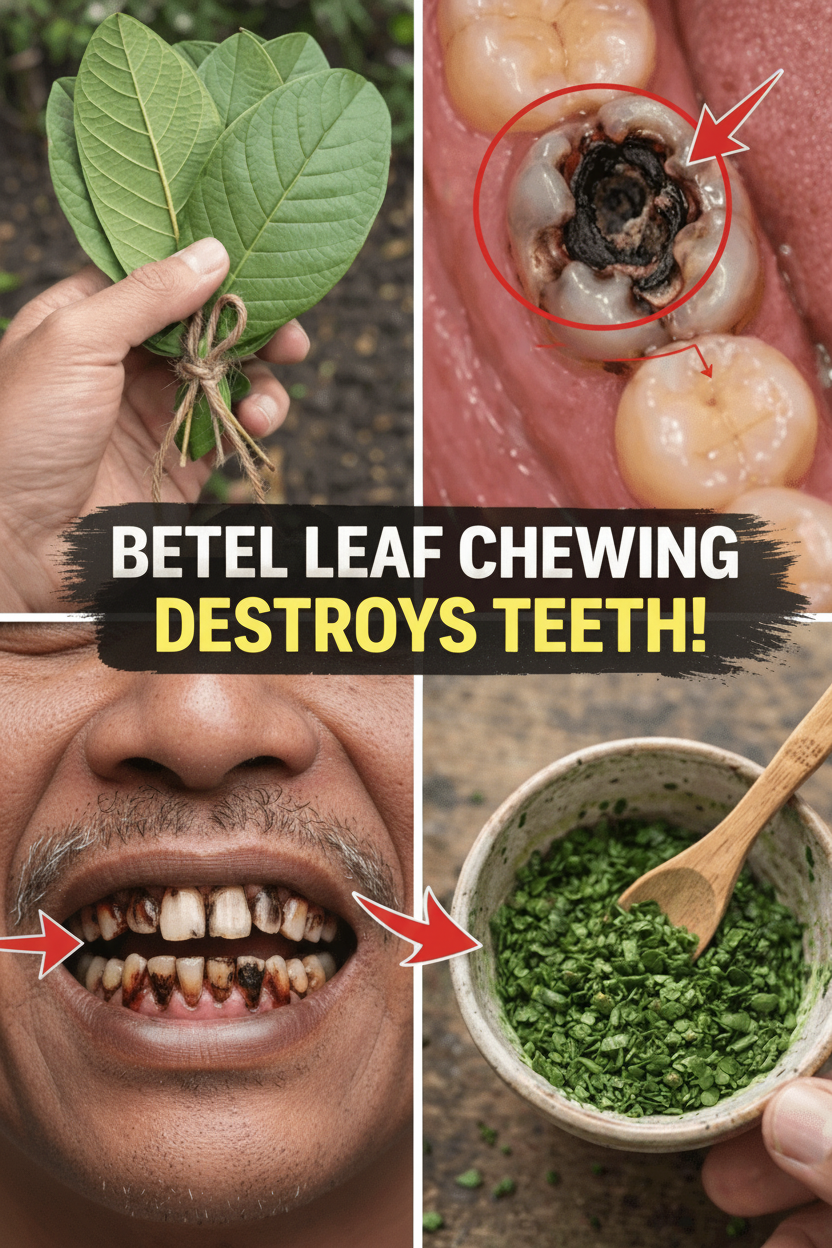
Certain cultural practices involve directly chewing young guava leaves for brief durations. For this method, choose 2–3 soft, tender, and crucially, pesticide-free leaves. Masticate them gently for 1–2 minutes to extract their beneficial juices. It is essential to spit out the fibrous residue afterward and avoid ingesting significant quantities. Conclude by brushing your teeth as usual. This direct approach allows for rapid exposure of the oral cavity to the leaves’ natural bioactive compounds. While less frequently explored in formal scientific studies, observations suggest antibacterial benefits from this direct contact.
3. Guava Leaf Powder: A Versatile Dried Form
To facilitate extended preservation and versatile application, drying guava leaves transforms them into a useful powder. Begin by thoroughly washing the leaves and then allowing them to air-dry in a shaded area until they become brittle and crisp, a process that typically takes 3–5 days. Once fully dried, grind the leaves into a fine powder using either a blender or a mortar and pestle. This powder can then be utilized in two primary ways: either mix a small amount with water to create a thick paste, or dissolve it in warm water to prepare an instant rinse. If using as a paste, gently apply it to your teeth and gums with a clean fingertip, allow it to remain for approximately 2 minutes, and then rinse thoroughly.