 By admin
 – dogpjs.com Skip to content Friday, March 6 2026 Facebook Twitter Pinterest Home Herbal Medicine Home Tips Garden Tips Healthy Life Search Search for: Account Friday, March 6 2026 Search Search for: Menu Home » Healthy Life » 9 Delicious Foods That May Help Support Healthy Blood Pressure Naturally
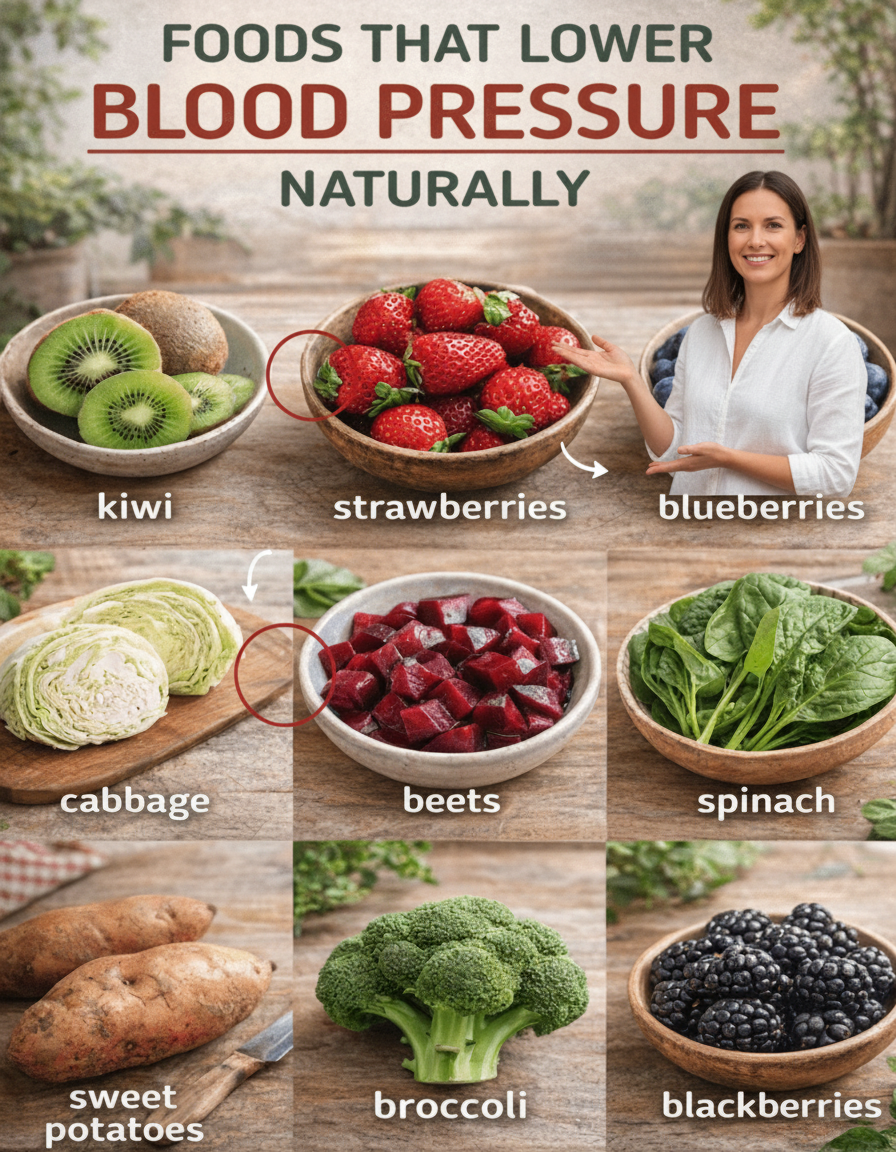
9 Delicious Foods That Can Naturally Support Healthy Blood Pressure
Concerns over fluctuating blood pressure readings are a common worry for millions globally, often bringing anxieties about heart health and overall well-being. The persistent apprehension surrounding cardiovascular health, coupled with potential fatigue and the dread of escalating numbers, can feel quite daunting. However, there’s hopeful news: incorporating specific foods into your daily diet, alongside other positive lifestyle adjustments, can significantly aid in maintaining optimal blood pressure levels. This article will unveil nine flavorful and accessible foods that scientific research has associated with beneficial effects on blood pressure, along with a unique preparation insight many tend to overlook, revealed at the conclusion.
Why Food Choices Matter for Blood Pressure
Numerous elements affect your blood pressure, including dietary sodium, stress levels, physical activity, sleep quality, and crucially, the array of nutrients you consume regularly. Key compounds like potassium, magnesium, dietary nitrates, antioxidants, and fiber are extensively researched for their capacity to foster relaxed blood vessels and promote healthy fluid balance within the body. The best part is that many of these invaluable nutrients are readily available in common, budget-friendly produce often found in your local supermarket aisles.
1. Beets – A Potent Nitrate Source
Beets are frequently highlighted in studies concerning natural blood pressure support. The inherent nitrates found in beets are transformed into nitric oxide within your system, a compound instrumental in promoting blood vessel relaxation and potentially leading to more favorable blood pressure readings. Studies exploring both beet juice and prepared beets have demonstrated measurable impacts in some individuals within a few hours.
Quick tip: Try roasting beets with a touch of olive oil, or incorporate them into smoothies – their distinct earthy sweetness complements berries remarkably well.
2. Spinach – Abundant in Magnesium & Potassium
Dark, leafy greens such as spinach offer a powerful combination of magnesium and potassium. These vital minerals contribute to vascular relaxation and help mitigate the adverse effects of sodium. Just one generous handful of fresh spinach can supply approximately 15–20% of your recommended daily magnesium intake – a nutrient often deficient in adult diets.
Simple addition: Integrate raw spinach into your omelets, layer it into sandwiches, or blend it seamlessly into fruit smoothies (its flavor is very subtle).
3. Blueberries – Small Wonders with Significant Flavonoid Advantages
Blueberries are brimming with anthocyanins – the vibrant pigments responsible for their rich blue color. Numerous studies connect consistent consumption of berries (particularly blueberries and other dark varieties) with enhanced blood vessel elasticity and more stable blood pressure trends over time. Furthermore, they are inherently low in sodium and rich in dietary fiber.
Smart tip: Always have frozen blueberries stocked; they retain their nutritional value and are ideal for overnight oats or yogurt parfaits.
4. Kiwifruit – A Powerful Vitamin C and Potassium Duo
The daily intake of two kiwifruits has been a specific focus of research regarding its impact on blood pressure. Participants in various smaller trials observed notable decreases in both systolic and diastolic readings following a period of 7–8 weeks. Kiwis also surpass oranges in vitamin C content per gram and offer a good supply of potassium.
Storage secret: Purchase kiwis when firm and allow them to soften at room temperature; they achieve peak sweetness when slightly yielding to the touch.
5. Broccoli – Sulforaphane for Comprehensive Vascular Wellness
More than just an excellent source of fiber, broccoli is rich in sulfur compounds, including sulforaphane, which are known to promote healthy inflammatory responses and optimal blood vessel function. Preparing broccoli by steaming or light sautéing helps retain more of these advantageous compounds compared to boiling.
Quick recipe: Finely chop broccoli, mix with minced garlic and a dash of low-sodium soy sauce, then air-fry or roast at 400°F (200°C) for about 15 minutes until tender-crisp.
6. Sweet Potatoes – Potassium-Rich, Low-Sodium Goodness
A single medium sweet potato, consumed with its skin, provides a greater potassium content than a banana, alongside minimal sodium. Potassium is crucial for assisting your body in eliminating surplus sodium, a primary factor in maintaining healthy blood pressure. The added benefits of fiber and beta-carotene further enhance overall health.
Delicious preparation: Bake whole sweet potatoes (without foil) and enhance them with a sprinkle of cinnamon, a few crushed walnuts, and a light drizzle of almond butter.
7. Strawberries – Affordable Anthocyanin Powerhouses
Similar to blueberries, strawberries are abundant in anthocyanins, which studies have connected to improved blood vessel health. They are often more budget-friendly than other berry varieties and freeze exceptionally well, making them perfect for year-round smoothie enjoyment. A single cup provides more than 100% of your daily vitamin C needs – another nutrient vital for cardiovascular well-being.
Serving suggestion: Arrange sliced fresh strawberries over plain Greek yogurt, perhaps with a scattering of chia seeds for extra texture and nutrition.
8. Blackberries – Rich in Anthocyanins and Fiber
Blackberries, much like their berry counterparts, are brimming with anthocyanins, powerful antioxidants known to contribute to vascular health and overall circulatory function. They also offer a substantial amount of dietary fiber, which is beneficial for heart health and digestion.
Serving idea: Enjoy fresh blackberries as a snack, add them to cereals, or use them to brighten up a fruit salad.