 By admin
 Many individuals are increasingly exploring milder methods to address common health concerns such as daily discomforts, digestive issues, blood sugar imbalances, or minor infections. This shift often stems from worries about the potential long-term side effects associated with conventional pharmaceuticals. The dissatisfaction arising from medications that can induce adverse reactions like stomach upset or fatigue frequently prompts a search for nature’s more harmonious alternatives. The following six herbs, backed by centuries of traditional use and emerging scientific research, present a natural pathway to bolster overall well-being. It is crucial to remember they are intended to complement, not replace, prescribed medical treatments. 🌿
🌿 Why Consider Natural Herbs for Everyday Wellness?
Herbal remedies have been integral to traditional healing systems across the globe for millennia, providing relief from various ailments including pain, inflammation, and systemic imbalances that can impede daily life. Their growing appeal lies in their accessibility and a generally lower incidence of reported side effects for mild conditions, alleviating concerns about potential over-medication. Contemporary research frequently investigates the active compounds within these herbs, exploring their anti-inflammatory, soothing, and supportive therapeutic properties. While not direct substitutes for pharmaceutical drugs, these natural options can significantly enhance a balanced lifestyle. Let’s delve deeper into each one.
-
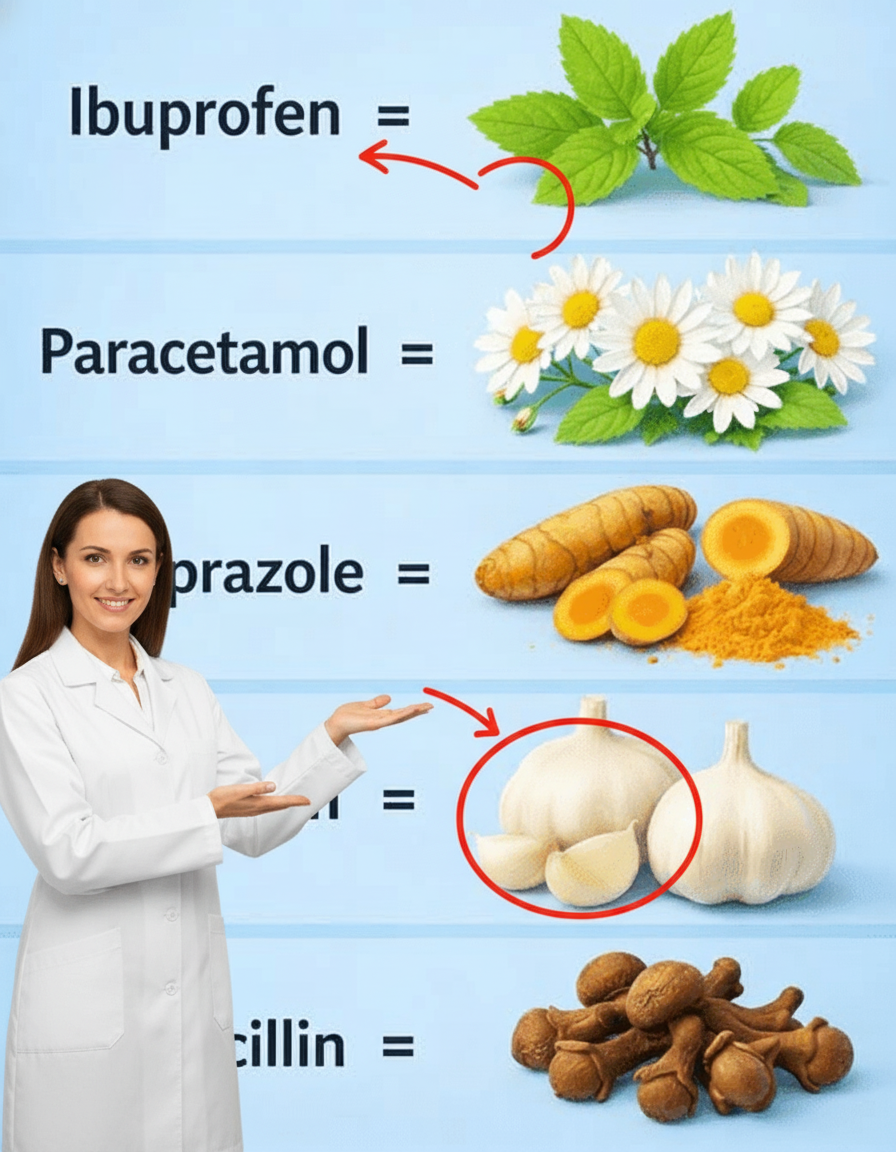
1. Matalafi (Psychotria insularum) – Traditional Support Similar to Ibuprofen’s Anti-Inflammatory Role
Matalafi, a revered plant originating from Samoa, is traditionally known for its efficacy in alleviating inflammation, body aches, and fevers. It may offer relief from swelling and minor pains, much like the common over-the-counter medication ibuprofen. The persistent burden of aches that restrict movement or disturb sleep can be profoundly debilitating. Scientific studies, published in reputable journals, have demonstrated that extracts from matalafi leaves exhibit anti-inflammatory capabilities in laboratory settings comparable to those of ibuprofen. This effect is attributed to specific compounds that actively reduce inflammatory responses. As a time-honored remedy, matalafi provides a compelling plant-based option for those seeking natural anti-inflammatory support.
-
2. Chamomile – A Calming Herb Often Linked to Paracetamol’s Pain and Fever Relief
Chamomile, frequently consumed as a tea or in extract form, offers gentle solace for headaches, mild fevers, or tension – conditions often addressed by paracetamol. It can be particularly beneficial when daily stressors or minor physical discomfort disrupt one’s routine. The cumulative emotional strain of persistent low-grade pain or restlessness can significantly impact overall well-being. Renowned for its naturally calming and mild anti-inflammatory attributes, chamomile has been extensively researched for its capacity to mitigate pain and foster relaxation. This makes it a widely favored natural option for everyday relief, notably without inducing the drowsiness often associated with stronger alternatives.
-
3. Turmeric (Curcuma longa) – Digestive Comfort Comparable to Omeprazole’s Acid-Reducing Effects
Turmeric, a vibrant spice best known for its active compound curcumin, plays a vital role in supporting digestive health and may alleviate symptoms of indigestion or heartburn. These are common issues that medications like omeprazole are designed to manage, especially when bloating or post-meal discomfort diminishes comfort and energy levels. Many individuals experience frustration from recurring digestive problems that negatively affect their meals and overall mood. A significant clinical study revealed that curcumin exhibited comparable efficacy to omeprazole in ameliorating symptoms of functional dyspepsia over several weeks. This underscores turmeric’s potential anti-inflammatory benefits for optimal gut health, particularly when consumed with black pepper to significantly enhance its absorption.
-
4. Garlic (Allium sativum) – Blood Sugar Support Akin to Metformin’s Role
Garlic, a widely used culinary ingredient, contains potent compounds that are believed to contribute to the maintenance of healthy blood sugar levels. This effect is somewhat analogous to how metformin assists in glucose control, offering reassurance for those diligently monitoring their levels due to dietary considerations or prediabetes concerns. The apprehension stemming from fluctuating energy levels or the prospect of long-term health risks can be a significant source of stress. Research indicates that garlic’s unique sulfur compounds, notably allicin, play a role in enhancing glucose metabolism and improving insulin sensitivity. Incorporating fresh or aged garlic into one’s diet can therefore be a flavorful and beneficial addition for natural metabolic support.
-
5. Aloe Vera – Gentle Antibacterial Properties for Minor Issues Like Amoxicillin Targets
Aloe vera gel is traditionally valued for its capacity to promote skin healing and combat minor bacterial concerns, providing a soothing plant-based alternative for various conditions. This includes addressing minor cuts, skin irritations, or digestive upset potentially caused by infections. The anxiety associated with slow-healing wounds or imbalances in gut flora can certainly add unnecessary stress. Studies have consistently shown that aloe vera exhibits notable antibacterial effects against specific oral pathogens and actively supports wound care, owing to its rich array of natural compounds. This makes it an effective botanical option for fostering recovery and maintaining health.
-
6. Clove (Syzygium aromaticum) – Pain and Clotting Support Similar to Aspirin’s Effects
Cloves, a fragrant spice, contain a powerful active compound called eugenol, which is recognized for its potential to provide minor pain relief and support healthy circulation. These properties bear a resemblance to the effects of aspirin in mitigating discomfort or influencing platelet activity. Aches, such as toothaches or inflammatory pains, can severely impede simple daily tasks and cause considerable frustration. Both traditional wisdom and some modern research underscore clove’s anti-inflammatory and mild antiplatelet characteristics. It is frequently employed in traditional dental care remedies or infused into teas, offering a natural pathway to relief.
While these natural herbs offer promising avenues for health support, it is imperative to approach their use with informed caution. Always consult with a qualified healthcare professional before incorporating any new herbal remedies into your regimen, especially if you are pregnant, nursing, have pre-existing medical conditions, or are currently taking prescription medications. Natural remedies can interact with drugs and may not be suitable for everyone. Your health and safety are paramount.