 By admin
 Unlocking the Natural Power of Holy Basil (Tulsi) for Enhanced Oral Wellness
Despite your diligent efforts with brushing and flossing, have you noticed your breath isn’t as fresh as it once was, or your gums feel a little more sensitive? These subtle changes can make you self-conscious, perhaps even causing hesitation in social interactions. You’re certainly not alone; many individuals, particularly as they age, encounter minor oral concerns that emerge over time. All too often, these early signs are dismissed as merely “part of getting older.” But what if a gentle, plant-based approach could genuinely support your daily oral hygiene routine, working in harmony with your dentist’s recommendations? And what if you could discover a surprisingly simple way to incorporate it by the end of this article? Let’s delve into the world of Tulsi (Holy Basil) — an herb revered for centuries — and explore how it could naturally enhance your oral care habits within a safe, everyday regimen.
🌿 What Is Tulsi (Holy Basil) and Why It’s Revered
If you’ve ever experienced the invigorating scent of fresh basil, you understand its uplifting, herbaceous qualities. Tulsi (pronounced “tool-see”), also known as Holy Basil, is a distinct variety of basil traditionally woven into wellness practices and spiritual rituals across South Asia. It’s crucial to emphasize that Tulsi is not a miraculous cure-all. However, throughout history, people have valued it for its:
- Gentle soothing properties
- Naturally aromatic support
- Role in traditional holistic health practices
Emerging research indicates that the natural compounds found within Tulsi leaves possess intriguing properties that could contribute to overall oral comfort when integrated with foundational daily care, such as regular brushing and flossing.
A Simple Comparison: Tulsi (Holy Basil) vs. Common Culinary Basil
| Distinguishing Feature | Tulsi (Holy Basil) | Sweet/Table Basil |
|---|---|---|
| Traditional Application | Holistic wellness, spiritual ceremonies | Culinary flavoring, food preparation |
| Aromatic Profile | Pungent, subtly peppery, clove-like | Sweet, mildly herbaceous |
| Key Compounds | Eugenol, rosmarinic acid, various polyphenols | Lower concentrations of key compounds |
| Typical Usage | Herbal infusions, gentle oral support | Cooking, enhancing food flavors |
As you can see, while they may share a similar appearance, their traditional applications and chemical compositions differ significantly.
🌱 How Tulsi Can Complement Your Oral Care (Not Replace It)
To be absolutely clear: Tulsi cannot repair cavities or provide treatment for gum disease. These are conditions that only a qualified dental professional can properly diagnose and manage. HOWEVER — traditional wisdom and contemporary research suggest that Tulsi may offer support for:
- Maintaining a balanced oral microbiome
- Promoting fresher breath
- Providing comfort for minor gum sensitivities
- Enhancing overall oral freshness as part of a comprehensive routine
This is precisely why many individuals find it a beneficial addition to their daily regimen. The reality is: effective oral care is a collaborative effort. Your toothbrush, dental floss, routine check-ups, and consistent daily habits are paramount. Herbal assistance, such as Tulsi, serves as a valuable ally within this essential team.
What Scientific Research Indicates (Simplified)
Scientific investigations point to specific plant compounds inherent in Tulsi leaves that demonstrate:
- Potent antioxidant activity
- Mild antimicrobial properties
- Anti-inflammatory pathways
These are not “cures” for dental ailments but rather natural mechanisms that can contribute to a feeling of greater freshness and comfort day-to-day. 🧠 Important Reminder: Research into Tulsi is ongoing. It should always be used as an adjunct to — never as a substitute for — established, evidence-based dental hygiene practices.
🪥 Integrating Tulsi into Your Everyday Oral Care Routine
Here are a few gentle and practical methods for incorporating Tulsi into your routine. Choose the options that best suit your preferences and lifestyle:
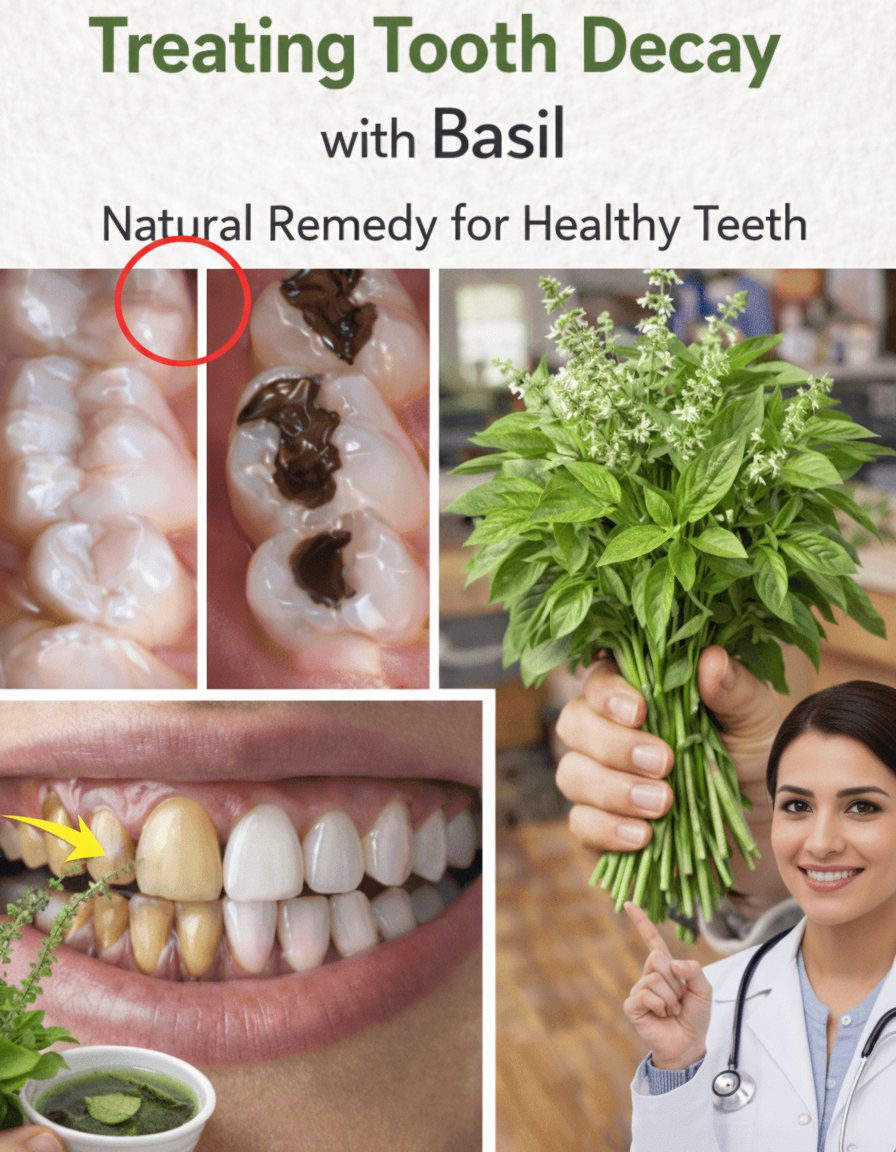
1. Tulsi Herbal Mouth Rinse (A Soothing Oral Wash)
You’ll need: 5–6 fresh or dried Tulsi leaves, 1 cup (240 ml) water
Steps: Bring the leaves to a boil in water for approximately 10 minutes. Allow the liquid to cool completely. Strain the mixture to remove the leaves. Use this infusion as a mouth rinse after brushing — swish gently for 30-60 seconds and then spit it out. 👉 Recommended for use once or twice daily.
2. Tulsi Leaf Powder with Toothpaste
Steps: Air-dry fresh Tulsi leaves away from direct sunlight. Grind the dried leaves into a very fine powder. Mix a tiny pinch of this powder with your regular fluoride toothpaste. Brush your teeth gently, avoiding excessive pressure. ✔ Tip: While this can offer a soothing sensation, use it sparingly — your gum tissues are delicate!
3. Tulsi Tea for Holistic Wellness
Steps: Steep 3–4 fresh Tulsi leaves in hot water for 5–10 minutes. Enjoy this tea once a day, optionally adding a touch of honey for taste. Supporting your overall internal wellness often translates into better self-care for your oral health, too.
❤️ Foundational Oral Care Habits You Must Not Overlook
Let’s be unequivocally clear — no herbal remedy can ever replace the fundamental pillars of excellent oral hygiene:
- ✔ Brush thoroughly twice daily with fluoride toothpaste
- ✔ Floss meticulously every day
- ✔ Maintain adequate hydration by drinking plenty of water
- ✔ Consume a balanced diet and limit excessive sugar intake
- ✔ Schedule and attend regular dental check-ups and cleanings
These essential habits form the bedrock of your oral health. Tulsi serves as a valuable supplement, not the primary structure. The encouraging news is that individuals who feel more empowered and in control of their oral care journey are often more diligent in adhering to these crucial habits. And that dedication truly makes a profound difference.
✨ Essential Tips for Maximizing Oral Comfort and Confidence
Here are some final recommendations to help you make the most of Tulsi for your oral wellness:
- 🌿 Opt for fresh Tulsi leaves whenever possible, as their aromatic compounds and beneficial properties tend to be more potent.
- 👄 Always spit out concentrated Tulsi rinses; do not swallow them.
- 🪥 When applying Tulsi powder or brushing, always be gentle — your gum tissues are delicate and require careful handling.
By thoughtfully integrating Tulsi into your comprehensive oral care strategy, you can embrace a natural approach to supporting a healthier, more confident smile, complementing the vital work you already do.