 By admin
 Imagine stepping into your backyard for a relaxing evening, only to be met with the unsettling sight of bed bugs scurrying across your beloved patio furniture. These tiny, reddish-brown intruders don’t just interrupt your hard-earned moments of peace; they can ignite a real fear of itchy bites, disrupted sleep, and the terrifying prospect of these outdoor pests hitching a ride inside, transforming your peaceful home sanctuary into an ongoing source of anxiety. The good news is that understanding the actual behavior of bed bugs in your garden allows you to implement practical, safe strategies, moving beyond misleading claims to genuinely protect your outdoor living space.
🐛 The Surprising Truth About Outdoor Bed Bugs in Your Garden
Discovering bed bugs in your garden can be an alarming experience, especially when all you desire is to enjoy fresh air and unwind after a demanding day. For many homeowners, the frustration of finding these unwelcome visitors turning a serene retreat into a source of stress is palpable. However, extensive research from pest management experts and university extension services consistently confirms that established outdoor colonies of bed bugs are exceptionally rare. These insects are fundamentally adapted to thrive indoors, in close proximity to human hosts, rather than in open environments like grass or soil.
Typically, bed bugs found in outdoor settings are transient visitors. They might be displaced from nearby indoor sources, discarded furniture, or even adjacent properties, especially during warmer seasons. This crucial insight helps to alleviate the initial panic many feel when spotting them on outdoor cushions or within patio crevices. It reassures homeowners that these aren’t permanent garden residents establishing nests like ants or mosquitoes. Nevertheless, the lingering concern about potential indoor spread can still cause considerable worry, impacting comfort and peace of mind for families.
⚠️ Why “Instant Disappearance” Claims for Outdoor Bed Bugs Fall Short
It’s easy to be drawn in by viral videos and online promises of immediate solutions that claim to make bed bugs vanish from your garden with simple household remedies. The allure of such quick fixes is particularly strong when these pests threaten to disrupt your carefully cultivated outdoor oasis. Yet, scientific evidence demonstrates that these rapid solutions seldom provide lasting relief for outdoor bed bug issues. This is because they typically only target the visible insects, leaving behind resilient eggs and hidden nymphs to continue the infestation cycle.
While direct application of certain heat or spray treatments can eliminate individual bed bugs upon contact, achieving comprehensive coverage in an outdoor environment is exceedingly difficult. Pests can quickly scatter into numerous cracks, crevices, and sheltered spots. Experts highlight that although temperatures exceeding 120°F (49°C) are lethal to bed bugs, replicating these controlled thermal conditions effectively in a garden setting without specialized equipment is a significant challenge. Furthermore, attempting such treatments risks causing damage to your valuable plants or outdoor furniture. This disparity between sensational claims and scientific reality often leads to disappointment and heightened stress over recurring sightings of bed bugs in your garden.
🛠️ Effective, Realistic Steps to Manage Bed Bugs in Your Garden Today
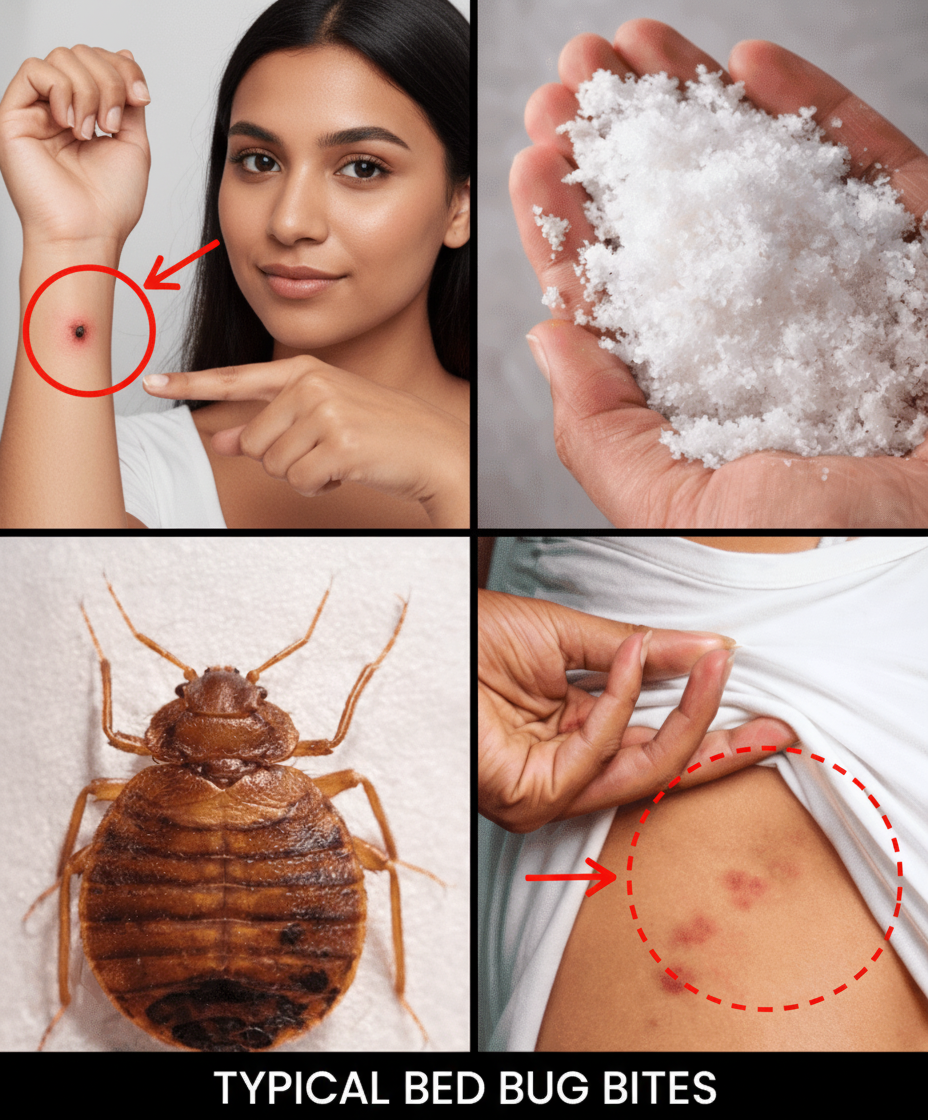
Here’s where you gain real control: practical, actionable steps you can implement right away to address bed bugs in your garden without relying on dubious guarantees. After the initial shock of discovery, these strategies can help restore your confidence and safeguard those cherished outdoor family moments. The focus shifts to proactive removal and diligent prevention, ensuring that any bed bugs in your garden remain temporary nuisances rather than persistent problems.
Step 1: Immediately Address Visible Outdoor Bed Bugs
- **Spot and Act Quickly:** If you identify any bed bugs, respond promptly but cautiously.
- **Boiling Water (Hard Surfaces Only):** Carefully pour boiling water over hard, non-porous surfaces like concrete, pavers, or metal furniture frames. This can instantly eliminate exposed bed bugs on contact. **Crucially, avoid applying boiling water to plants or porous materials to prevent damage.**
- **Vinegar Spray (Direct Application):** A strong vinegar solution can offer a moderate knockdown effect on individual bed bugs within minutes when sprayed directly. Be mindful of its strong odor and potential impact on certain plant types, exercising caution during application.
Step 2: Eliminate Potential Hiding Spots for Outdoor Bed Bugs
Clutter and disorganization are major attractants for pests seeking shelter. Thoroughly inspect and meticulously clean outdoor cushions, throw pillows, blankets, and any stored items that could offer refuge to bed bugs. Regularly washing and drying outdoor fabrics on a high heat setting is highly effective. This simple habit significantly reduces stress by denying these pests easy shelter and helps break the cycle that could otherwise lead to bed bugs migrating indoors as temperatures drop or activities move inside.
Step 3: Implement Prevention Strategies Against Future Outdoor Bed Bug Visits
Proactive measures are key to long-term peace of mind. Keep outdoor furniture elevated off the ground where possible, and regularly clean all surfaces. Seal any cracks or crevices in patio structures, decking, or outdoor walls, as these can serve as entry points or hiding spots. Additionally, exercise extreme caution when bringing second-hand furniture or decor items into your garden or home. Thoroughly inspect such items for any signs of pests before introduction, as this significantly lowers the risk of bed bugs disrupting your outdoor routine.