 By admin
 Unlocking the Potential: Prickly Pear Cactus for Balanced Blood Sugar Management
Managing fluctuating blood sugar levels is a common concern for many, impacting daily energy, mood, and long-term health prospects. The discomfort of post-meal spikes – often leading to fatigue, irritability, or apprehension – highlights the need for effective dietary strategies. While various foods offer gentle support, one ancient plant gaining contemporary attention is the prickly pear cactus, widely known as nopal. This traditional food, revered in several cultures, is being explored for its potential role in daily blood sugar regulation when integrated into a balanced diet. Beyond its culinary versatility, there’s growing interest in simple, home-based preparations, such as fresh juices or smoothies, to harness its benefits.
Why Prickly Pear Cactus Is a Focus for Blood Sugar Support
The prickly pear cactus (Opuntia species), a resilient plant thriving in arid climates, has been a dietary staple in regions like Mexico for generations. Its edible pads, referred to as cladodes or nopal, are rich in beneficial compounds, including dietary fiber and potent antioxidants, which have captured the interest of researchers.
Studies suggest that nopal pads may contribute to moderating the body’s glycemic response after meals. For instance, some research indicates that consuming cooked or prepared nopal alongside carbohydrate-rich foods can result in lower postprandial glucose surges compared to meals without it. This positive effect is largely attributed to its high content of soluble fiber, which is believed to slow down digestion and the absorption of glucose in the gastrointestinal tract.
It’s important to note that systematic reviews have highlighted variations in efficacy depending on whether the pads or the fruit of the prickly pear are consumed. Generally, the nopal pads tend to exhibit more consistent short-term effects on blood glucose levels following a meal, whereas the fruit often shows a less pronounced impact in many observed cases.
Key Nutritional Components of Nopal Supporting Glycemic Health
Nopal pads are packed with several elements that are beneficial for overall health, particularly in the context of blood sugar management:
- Abundant Dietary Fiber: The soluble fiber in nopal forms a viscous, gel-like substance in the digestive system. This can help to slow the rate at which sugars are absorbed into the bloodstream, promoting a more gradual and stable glucose response.
- Antioxidants and Polyphenols: These powerful compounds play a crucial role in neutralizing oxidative stress, which is often elevated in individuals monitoring their blood sugar. By combating free radicals, they support cellular health and reduce inflammation.
- Low Glycemic Impact: Nopal itself has a minimal effect on blood sugar levels, making it an excellent, low-glycemic addition to various meals without significantly contributing to carbohydrate load.
Research, including findings published in reputable journals like Medicina, suggests that these combined nutrients contribute to modest improvements in glycemic control when nopal is regularly incorporated into dietary patterns.
Scientific Insights into Nopal and Blood Glucose Regulation
A number of human studies have investigated the effects of nopal consumption:
- In trials involving individuals managing type 2 diabetes, adding approximately 300 grams of nopal to breakfast meals was shown to significantly reduce post-meal blood sugar spikes in certain participants.
- A comprehensive review of multiple studies concluded that nopal cladodes (pads) consistently lowered postprandial glucose levels in acute settings. However, the review also emphasized that more extensive research is needed to fully understand its long-term effects.
- The Mayo Clinic acknowledges preliminary evidence suggesting that prickly pear cactus may help decrease blood sugar levels after eating, particularly in individuals with type 2 diabetes.
It is crucial to remember that these findings often stem from controlled experimental environments, and individual results can vary based on factors such as preparation methods, portion sizes, and unique physiological responses.
Simple Ways to Integrate Nopal into Your Daily Routine
If you’re interested in exploring the benefits of nopal, begin by sourcing fresh pads from a reputable vendor. Always ensure to meticulously remove spines and thoroughly rinse the pads before use. Here’s a straightforward method for preparing nopal for everyday culinary applications:
- Select Young Pads: Opt for fresh, tender young pads, as they typically offer a milder flavor profile.
- Clean Thoroughly: Use a sharp knife to carefully trim the edges and scrape off any remaining spines or tiny barbed glochids.
- Rinse: Rinse the cleaned pads extensively under cool running water.
- Prepare for Cooking: Dice or slice the nopal pad according to your recipe.
- Cook: Boil or grill the nopal for 10-15 minutes. This step helps to soften the texture and reduce the characteristic sliminess often associated with raw nopal.
- Incorporate: Add the prepared nopal to salads, scrambled eggs, or blend into your favorite smoothies.
For a revitalizing green drink that many find enjoyable:
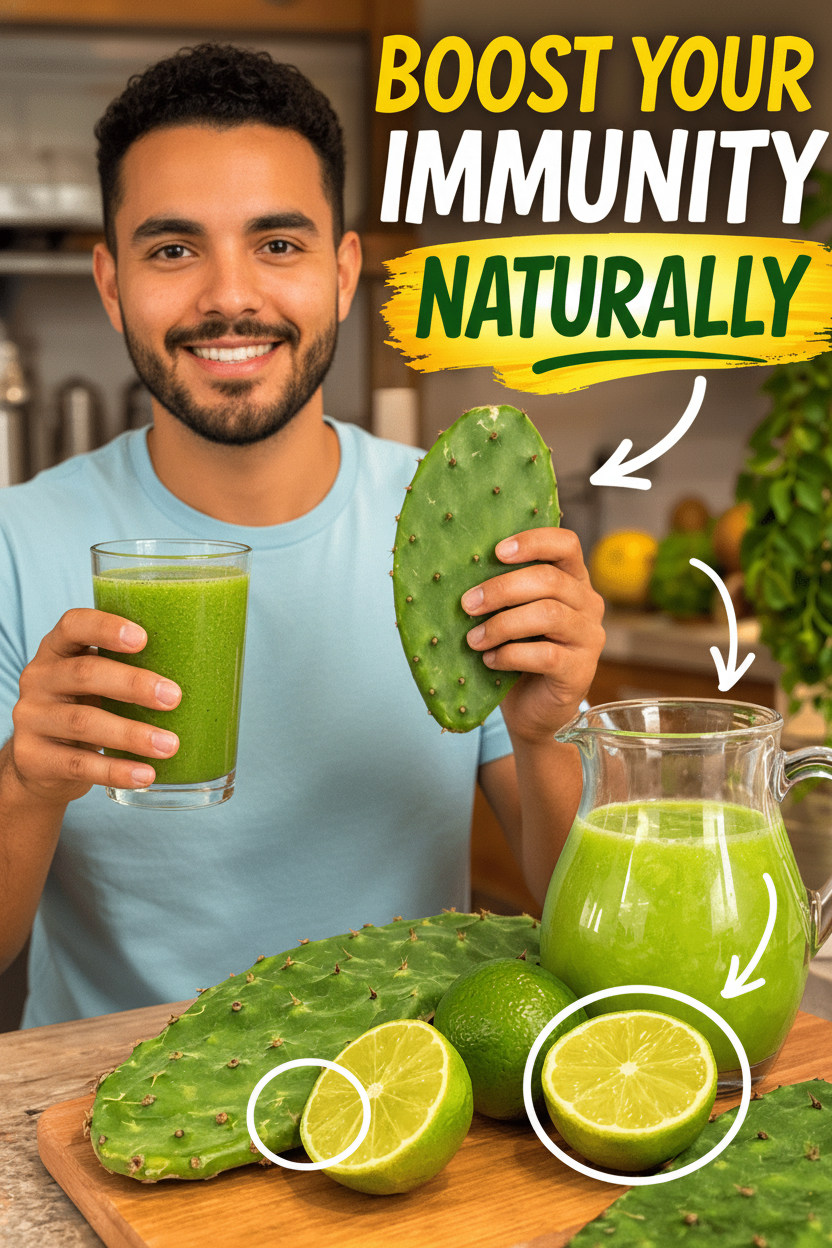
- Blend 1-2 thoroughly cleaned nopal pads with fresh cucumber, a squeeze of lime juice, a stalk of celery, and a cup of water.
- For a smoother consistency, strain the mixture if desired.
- Consume immediately, ideally before or with a meal, to maximize freshness and nutrient absorption.
This approach emphasizes simplicity and natural integration into your diet.
Nopal Pads vs. Fruit: A Comparative Look for Blood Sugar Support
Understanding the differences between the pads and the fruit of the prickly pear cactus can help in making informed dietary choices, especially when targeting blood sugar management.
| Aspect | Nopal Pads (Cladodes) | Prickly Pear Fruit |
|---|---|---|
| Fiber Content | High soluble fiber | Moderate |
| Effect on Post-Meal Glucose | Often reduces spikes (supported by studies) | Less consistent or minimal impact |
| Common Preparation | Cooked, grilled, incorporated into juices/smoothies | Eaten raw, juiced |
| Research Focus | More studies on acute glucose effects | Primarily on antioxidant benefits, less on glucose regulation |
| Taste/Texture | Mildly tangy, can be slightly slimy if raw | Sweet, juicy |
This comparison clearly illustrates why nopal pads are often the primary focus for individuals interested in blood sugar-related benefits.
Practical Advice for Safely Adding Nopal to Your Diet
When introducing nopal into your diet, it’s wise to start with small quantities to observe how your body responds. Nopal should be viewed as a complementary food, ideally combined with balanced, nutritious meals, rather than a standalone treatment. Always consult with a healthcare professional before making significant dietary changes, especially if you are managing a health condition or taking medications. They can provide personalized advice and ensure nopal’s safe integration into your specific health regimen.