 By admin
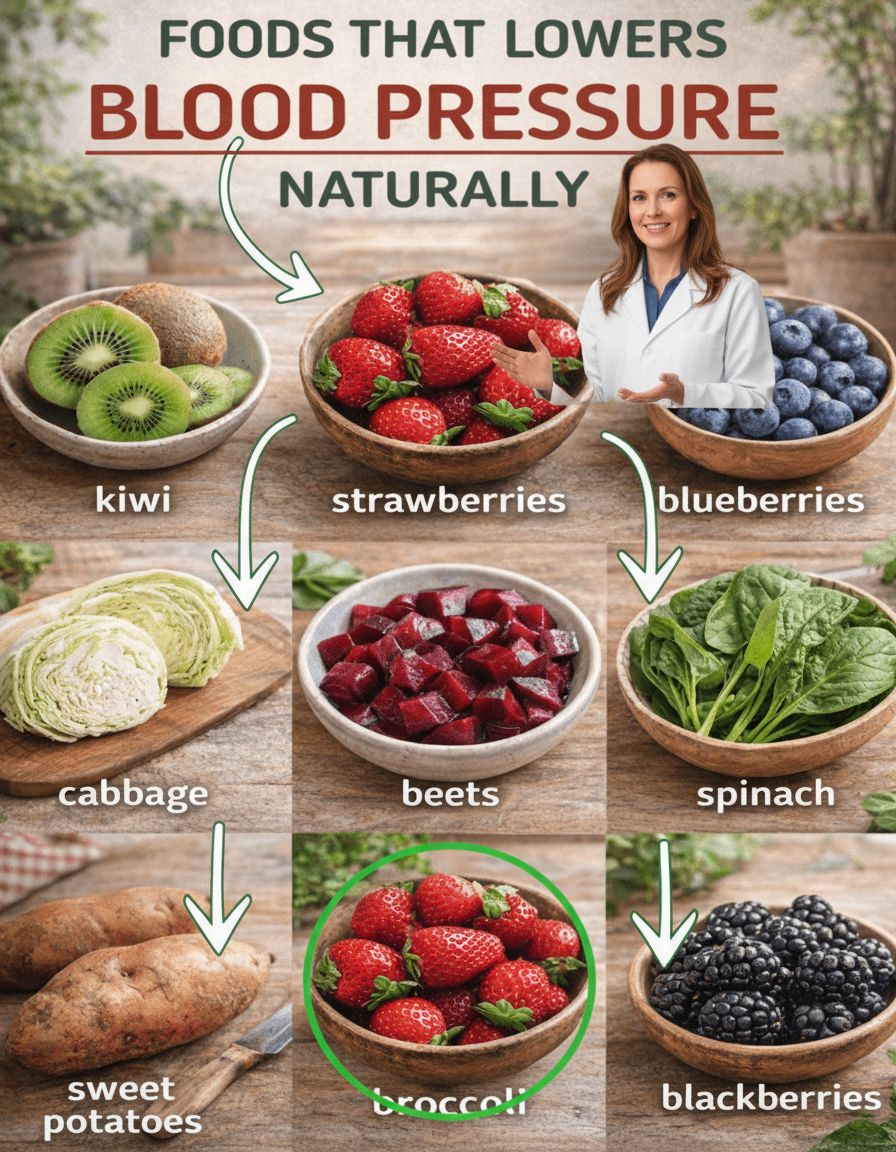
 9 Delicious Foods to Naturally Support Healthy Blood Pressure
Many individuals experience a quiet apprehension regarding their blood pressure readings, whether taken at a doctor’s office or at home. The persistent worry about heart health, the subtle onset of fatigue, and the underlying concern about potential complications if these numbers continue to climb can be profoundly unsettling.
Fortunately, there’s empowering news: incorporating specific dietary choices can play a significant role in maintaining optimal blood pressure levels, especially when combined with other positive lifestyle adjustments. This comprehensive article will introduce you to nine flavorful and readily available foods that research has consistently linked to cardiovascular benefits.
Why Your Diet Matters for Blood Pressure Management
Blood pressure is a complex physiological indicator influenced by numerous factors, including sodium intake, stress levels, physical activity, sleep quality, and crucially, the nutrients you regularly consume. Key compounds like potassium, magnesium, nitrates, antioxidants, and dietary fiber are frequently highlighted in studies for their ability to promote relaxed blood vessels and help regulate fluid balance within the body. The best part? Many of these incredibly beneficial nutrients are found in common, affordable produce items that are easily accessible at your local grocery store.
1. Beets – A Natural Nitrate Powerhouse
Beets consistently rank among the top foods investigated for their positive impact on blood pressure. The naturally occurring nitrates within beets are converted into nitric oxide in your body. This vital compound helps to dilate and relax blood vessels, which can lead to healthier blood pressure readings. Studies involving both beet juice and cooked beets have demonstrated notable effects, sometimes within just a few hours for certain participants.
Quick tip: Try roasting beets with a light drizzle of olive oil to bring out their sweetness, or blend them into smoothies – their earthy notes surprisingly complement berries and other fruits.
2. Spinach – Abundant in Magnesium & Potassium
Dark leafy greens, particularly spinach, offer a potent combination of magnesium and potassium. Both of these essential minerals are instrumental in helping blood vessels remain flexible and relaxed, while also effectively counteracting the negative effects of excessive sodium. Just one generous handful of fresh spinach can provide approximately 15–20% of your daily magnesium requirements – a nutrient many adults frequently lack.
Easy way to add more: Incorporate raw spinach into your morning omelets, layer it generously in sandwiches, or blend it seamlessly into fruit smoothies (its flavor is remarkably subtle).
3. Blueberries – Small Berries, Significant Flavonoid Advantages
Blueberries are densely packed with anthocyanins – the vibrant pigments responsible for their deep blue color. Numerous studies have linked regular consumption of berries (especially blueberries and similar dark-hued varieties) to improved vascular flexibility and more stable blood pressure patterns over an extended period. Furthermore, they are naturally low in sodium and provide a good source of dietary fiber.
Practical idea: Always keep frozen blueberries on hand; they are just as nutritious as fresh and make an excellent addition to overnight oats, yogurt parfaits, or quick smoothies.
4. Kiwifruit – The Vitamin C + Potassium Combination
The consumption of two kiwis daily has been specifically explored for its blood-pressure-lowering effects. Participants in several smaller clinical trials experienced measurable reductions in both systolic and diastolic blood pressure readings after a consistent intake over 7–8 weeks. Kiwis also deliver more vitamin C per gram than oranges, alongside a commendable amount of potassium.
Storage hack: Purchase kiwifruit when firm and allow them to ripen at room temperature. They reach their peak sweetness and juiciness when slightly soft to the touch.
5. Broccoli – Sulforaphane for Enhanced Vascular Health
Beyond its reputation as a fiber-rich vegetable, broccoli contains beneficial sulfur compounds, including sulforaphane, which are known to support healthy inflammation levels and optimal blood vessel function. Gentle cooking methods like steaming or light sautéing are recommended to preserve more of these valuable compounds compared to boiling.
Fast recipe: Finely chop broccoli florets, toss with minced garlic and a splash of low-sodium soy sauce, then air-fry or roast at 400°F (200°C) for about 15 minutes until tender-crisp.
6. Sweet Potatoes – Potassium Power Without the Sodium Surge
A single medium sweet potato, consumed with its skin, provides more potassium than a banana and contains very little sodium. Potassium plays a crucial role in helping your body eliminate excess sodium, which is a key mechanism for supporting healthy blood pressure. The added fiber and beta-carotene are excellent bonuses for overall well-being.
Tasty prep: Bake whole sweet potatoes (no foil needed) until soft, then top with a sprinkle of cinnamon, a few crushed walnuts, and a drizzle of almond butter for a nutritious treat.
7. Strawberries – Accessible Anthocyanin Benefits
Similar to blueberries, strawberries are rich in anthocyanins, compounds that research has linked to improved blood vessel health. They are often more economically priced than other berry varieties and freeze exceptionally well, making them perfect for smoothies year-round. A single cup provides over 100% of the daily recommended vitamin C intake – another nutrient vital for cardiovascular support.
Quick serving: Slice fresh strawberries generously over plain Greek yogurt and sprinkle with chia seeds for a delicious and heart-healthy snack or breakfast.
8. Blackberries – Another Anthocyanin-Rich Choice
Blackberries, with their deep, rich color, are another excellent source of anthocyanins and other potent antioxidants that contribute to robust cardiovascular health. These compounds help protect blood vessels from damage and support their elasticity, which is crucial for maintaining healthy blood flow and pressure. Their high fiber content also aids in overall digestive and heart health.
Enjoyment tip: Add fresh or frozen blackberries to your morning oatmeal, blend them into a vibrant smoothie, or simply enjoy them as a refreshing snack on their own.
9. Oats – The Fiber-Rich Heart Ally
Oats are a cornerstone of a heart-healthy diet, primarily due to their high content of soluble fiber, specifically beta-glucan. This type of fiber has been shown to help lower cholesterol levels and contribute to healthier blood pressure by supporting overall cardiovascular function and promoting a healthy gut microbiome. Regular consumption of oats can also aid in weight management, which is another factor influencing blood pressure.
Versatile serving: Start your day with a bowl of oatmeal, use oat flour in baking, or add rolled oats to smoothies for an extra boost of fiber and sustained energy.