 By admin
 Harnessing Nature’s Pharmacy: Scientific Insights into Plant-Based Wellness Solutions
Many individuals frequently encounter minor ailments such as tension headaches, muscle stiffness, digestive disturbances, or the daily strain impacting blood sugar regulation. A sole dependence on conventional over-the-counter remedies can, over time, raise questions regarding potential adverse effects or suitability for prolonged use. Consequently, there has been a significant surge in interest towards plant-based solutions rooted in age-old traditional medicine. These natural methods present a gentle yet effective pathway to foster comfort and overall well-being, increasingly substantiated by contemporary scientific investigations. What’s particularly fascinating is how certain ubiquitous herbs and spices demonstrate remarkable supportive capabilities in clinical studies, occasionally exhibiting efficacy comparable to established pharmaceutical interventions in specific contexts. This article will delve into six prominent plants often associated with common wellness requirements and provide actionable advice for their safe integration into your routine.
Why Individuals Embrace Herbal Supports
For millennia, botanical remedies have formed the bedrock of traditional healing systems, addressing everything from everyday discomforts and maintaining digestive equilibrium to promoting overall vitality. Contemporary scientific inquiry is now intensely focused on unraveling the therapeutic potential of these plants’ bioactive constituents, including their essential oils, polyphenolic compounds, and sulfur-based elements. Current research frequently underscores their capacity to offer anti-inflammatory, calming, or fortifying effects, always emphasizing that they serve as complementary aids rather than direct substitutes for prescribed medical treatments. The broad appeal of this approach stems from its accessibility – often utilizing common kitchen ingredients – and its inherent focus on holistic wellness.
1. Peppermint for Soothing Minor Aches (Insights into its Pain-Relieving Potential)
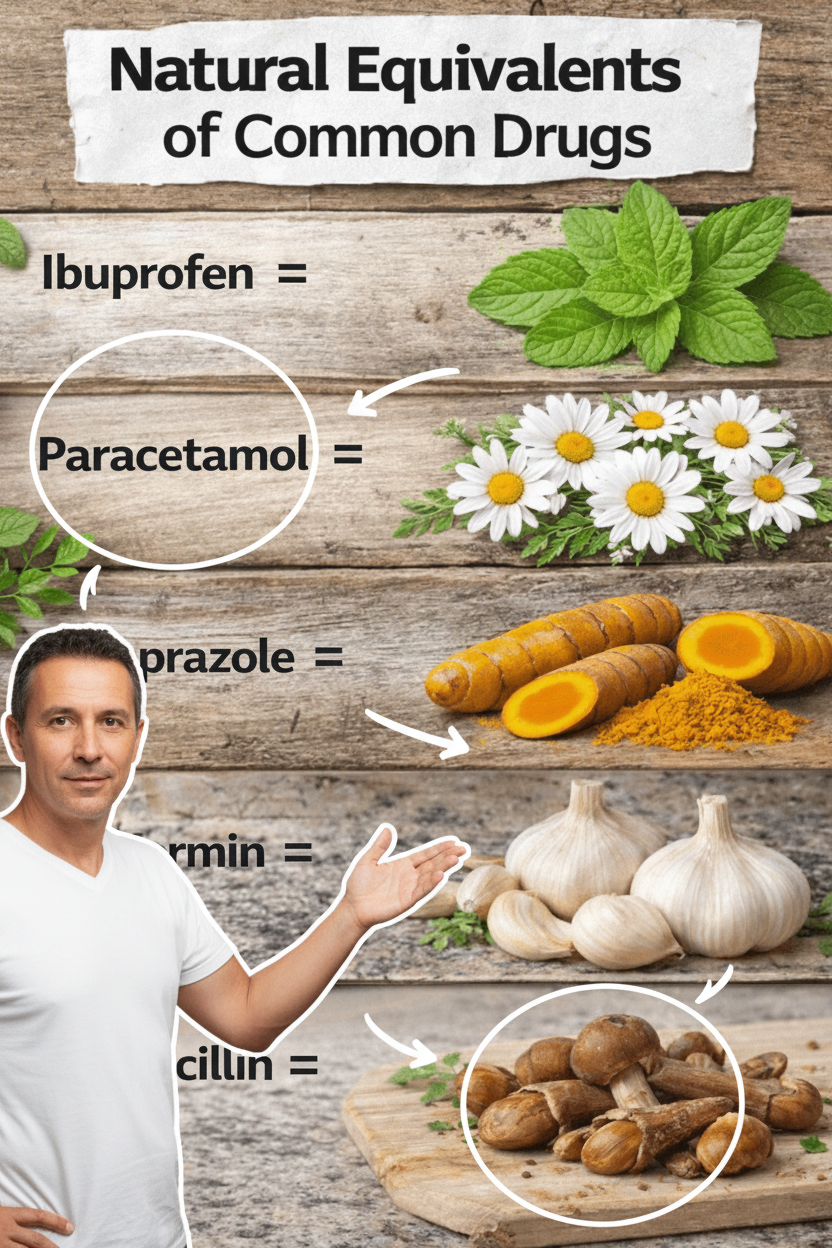
Peppermint, scientifically known as Mentha piperita, is highly regarded for its distinctive cooling sensation attributed to its menthol concentration. Research indicates that applying peppermint oil topically or inhaling its vapor can alleviate tension headaches and minor muscular aches, primarily due to its inherent soothing and anti-inflammatory properties. Certain analyses even highlight its performance in specific headache scenarios as comparable to common over-the-counter pain relievers like acetaminophen. Historically, mint infusions have also been a popular remedy for digestive relief.
Practical Tip: Prepare a comforting tea by steeping 1-2 teaspoons of fresh peppermint leaves in a cup of hot water for 5-10 minutes. Alternatively, for localized relief during episodes of head tension, gently massage a diluted blend of peppermint essential oil (1-2 drops mixed with a carrier oil) onto your temples. Always begin with a small amount to assess skin sensitivity. Beyond its refreshing qualities, let’s now explore a renowned botanical celebrated for its calming attributes.
2. Chamomile for Tranquil Comfort (Exploring its Calming and Analgesic Effects)
Chamomile, or Matricaria recutita, is widely cherished as a quintessential bedtime beverage, synonymous with promoting restful sleep and relaxation. Extensive research, encompassing meta-analyses of various clinical trials, suggests its efficacy in mitigating minor discomfort and fostering a sense of tranquility, largely due to the presence of anti-inflammatory flavonoids. Its traditional applications also extend to soothing digestive upset and alleviating mild general unease.
Practical Tip: To prepare a soothing infusion, steep 1-2 teaspoons of dried chamomile flowers in hot water for approximately 5 minutes. Enjoy 1-2 cups daily to encourage general relaxation. This herb is recognized for its mild nature and excellent tolerability. Our next focus shifts to a vibrant golden spice that has recently garnered considerable scientific interest.
3. Turmeric for Enhanced Digestive Wellness (Comparative Research Highlights Efficacy)
Turmeric, derived from the plant Curcuma longa, is renowned for its primary active compound, curcumin, which plays a significant role in supporting optimal gut health. A notable randomized clinical trial demonstrated that curcumin supplements were as effective as omeprazole in alleviating symptoms of indigestion in individuals diagnosed with functional dyspepsia, attributing this efficacy to its anti-inflammatory and protective influence on the stomach’s mucosal lining.
Practical Tip: Integrate 1 teaspoon of turmeric powder into your daily meals; remember to include a pinch of black pepper to significantly enhance curcumin absorption. Alternatively, prepare a comforting ‘golden milk’ by combining warm dairy or plant-based milk with ½ teaspoon of turmeric, a pinch of black pepper, and a touch of honey. Consistent consumption is key to unlocking its potential benefits. Below is a quick summary of how to best enjoy these natural plant supports:
- Peppermint — Enjoy as a soothing tea or use diluted essential oil for rapid relief.
- Chamomile — Ideal as an evening tea to promote tranquility and rest.
- Turmeric — Easily incorporated into meals or beverages for continuous wellness support.
4. Garlic for Supporting Blood Sugar Regulation (Insights from Complementary Studies)
Garlic, known botanically as Allium sativum, is rich in beneficial compounds such as allicin and various sulfur-containing elements. Numerous research investigations indicate that garlic supplements, when used in conjunction with conventional treatments like metformin, can contribute to reducing both fasting and post-meal blood glucose levels in individuals managing type 2 diabetes. Furthermore, its potent antioxidant properties play a role in fostering comprehensive metabolic health.
Practical Tip: For maximum benefit, crush 1-2 fresh garlic cloves daily and allow them to sit for about 10 minutes before incorporating them into your meals (note that cooking can slightly diminish their potency). As an alternative, consider aged garlic extract supplements, always adhering to the dosage instructions provided on the product label.
5. Aloe Vera: A Versatile Ally for Skin and Digestive Health (Highlighting Antimicrobial Action)
Aloe vera, specifically Aloe barbadensis miller, is widely celebrated for its remarkable skin-calming attributes; however, laboratory studies also reveal its notable antimicrobial efficacy against a spectrum of bacteria. Ethanol extracts derived from aloe vera have shown promise in combating skin-related pathogens, occasionally serving as a valuable complement to antibiotic treatments. Internally, this succulent plant has a