 By admin
 Understanding Foamy Urine: Causes, Concerns, and When to Seek Medical Advice
Have you ever observed a persistent layer of bubbles or foam in the toilet bowl after urinating, which doesn’t dissipate quickly? This common phenomenon can often trigger concern, particularly if it occurs frequently. The appearance of frothy urine might leave you questioning your body’s health. While occasional bubbles in urine are typically benign, comprehending the potential underlying reasons can offer reassurance and guide you toward simple health-supporting actions.
This comprehensive guide delves into the everyday factors contributing to foamy urine, identifies situations where it might indicate a more significant health issue, and outlines practical lifestyle adjustments you can implement immediately. Stay with us as we uncover common influences on urine appearance and provide actionable tips for monitoring changes over time.
What Exactly Is Foamy Urine?
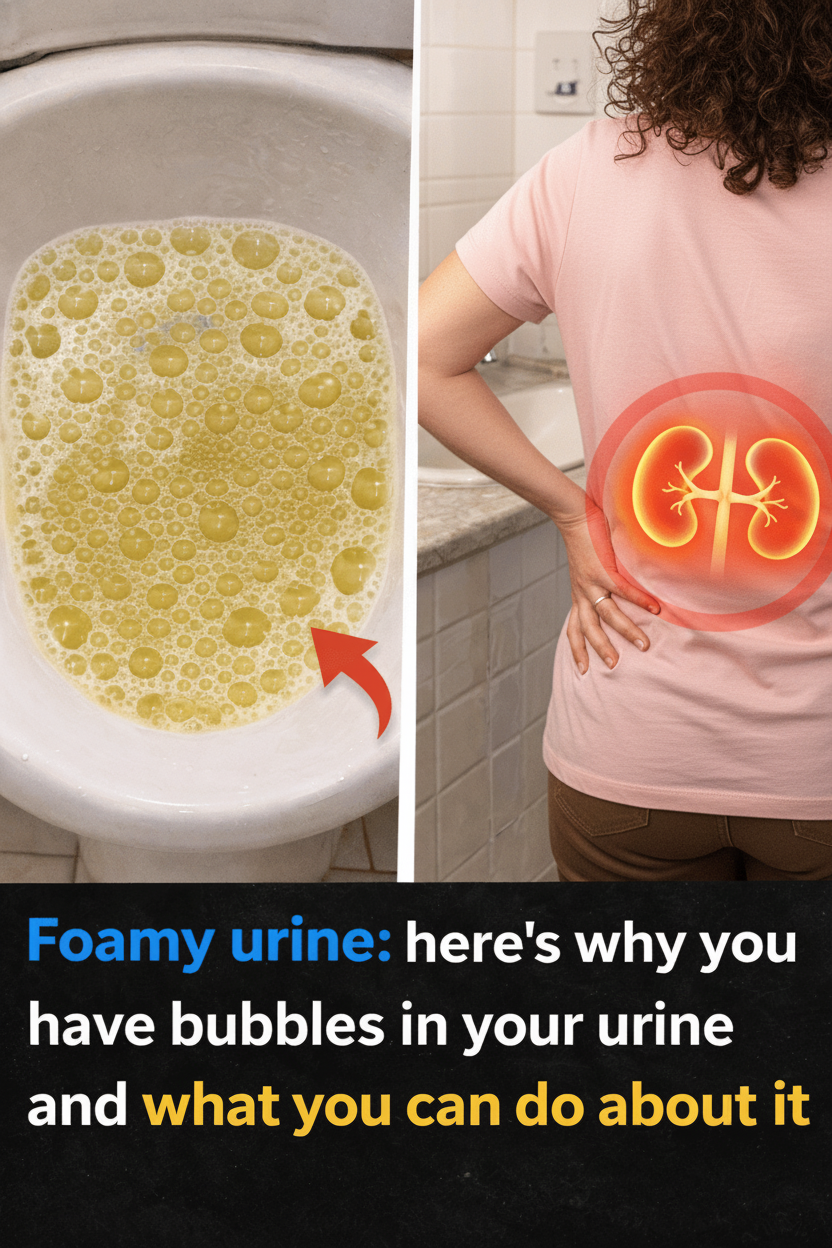
Foamy urine is characterized by a persistent layer of white or off-white bubbles that remain on the surface of the toilet water, sometimes even after multiple flushes. This differs notably from typical urine bubbles, which are generally larger, clearer, and vanish almost instantly. Leading health organizations, including the Cleveland Clinic and Mayo Clinic, confirm that everyone occasionally observes some bubbling in their urine. The critical distinction lies in its persistence: if the foam consistently lingers, it may suggest an interaction between urine and toilet water, or point to other physiological factors within your body. Let’s explore the prevalent reasons behind this occurrence.
Common Harmless Causes of Bubbles in Urine
In numerous instances, the presence of foamy urine can be attributed to temporary, benign factors that typically resolve without intervention. Understanding these common scenarios can often alleviate unnecessary concern.
Forceful or Rapid Urination
One of the most frequent benign explanations for bubbles in urine is the velocity of your urinary stream. When your bladder is full, urinating with significant force causes the urine to strike the toilet water rapidly, creating turbulence that traps air and forms foam. This phenomenon is comparable to pouring a liquid quickly from a height, generating temporary suds.
Dehydration and Concentrated Urine
Insufficient fluid intake leads to more concentrated urine, which can appear noticeably frothier. Concentrated urine also frequently presents with a darker yellow hue. Maintaining adequate hydration helps to dilute urine, often resulting in a reduction of this frothy effect.
Toilet Bowl Cleaners or Residue
The presence of chemical cleaning agents or residue in the toilet bowl can interact with urine, leading to the formation of additional bubbles. If you observe foamy urine exclusively in specific bathrooms, it’s highly probable that these cleaning products are the cause. These environmental factors account for many instances where bubbles appear without indicating an underlying health problem.
When Foamy Urine Might Point to Something Else
While sporadic occurrences of foam in urine are generally benign, persistent or escalating instances of foamy urine may sometimes signal elevated levels of protein in the urine, a medical condition referred to as proteinuria. Proteins, particularly albumin, function as natural surfactants, similar to soap, which allows bubbles to form and endure for extended periods.
Reputable health institutions like the Mayo Clinic and Cleveland Clinic clarify that proteinuria can be indicative of compromised kidney function. In healthy kidneys, filters prevent significant amounts of protein from entering the urine, retaining them in the bloodstream. When these filters are damaged, protein can leak into the urine.
This condition can be associated with various underlying health issues, including:
- Diabetes
- High blood pressure (hypertension)
- Certain autoimmune diseases
- Other conditions impacting overall kidney health
Studies underscore the importance of monitoring persistent proteinuria, as early detection and management are crucial for achieving better long-term health outcomes. It’s important to note, however, that foamy urine by itself is not a conclusive diagnostic sign; it often accompanies other noticeable symptoms.
Signs to Watch For Alongside Foamy Urine
If you experience persistent bubbles in your urine, it’s vital to observe any other accompanying physical changes. Medical resources frequently highlight the following symptoms:
- Swelling (edema) in the hands, feet, ankles, face, or abdomen
- Unusual or chronic fatigue
- Significant alterations in urination frequency or urine volume
- Unexplained fluctuations in body weight
The presence of these symptoms in conjunction with ongoing foamy urine strongly suggests the need to consult a healthcare provider. They can perform straightforward diagnostic tests, such as a urinalysis, to assess your kidney function and overall health.
Simple Steps You Can Take Today
Fortunately, many of the common causes of foamy urine can be addressed through straightforward lifestyle modifications. Here’s a practical guide to help you monitor and potentially alleviate the issue:
Boost Your Water Intake
Prioritize adequate hydration by aiming for at least eight glasses of water daily. Increase this amount if you are physically active or in a hot climate. Consciously observe your urine’s appearance after several days of improved hydration; you will often notice a lighter color and a reduction in bubbles.
Monitor Your Urination Habits
Experiment with urinating more slowly or in smaller, more controlled amounts to determine if reducing the force of your urinary stream minimizes foam production. Pay attention to patterns: Does the foam primarily appear when you are dehydrated, or after you’ve held your urine for an extended period?
Review Your Diet and Activity Levels
Be aware that diets rich in protein or periods of intense physical exertion can temporarily increase urine concentration, potentially leading to more foam. Strive for a balanced approach to both your nutrition and exercise routine.