 By admin
 Unmasking B12 Deficiency: 8 Subtle Signs You Shouldn’t Ignore
Do you often feel perpetually exhausted, even after a full night’s rest? Many individuals tend to dismiss minor shifts in their energy levels, skin appearance, or nerve sensations as mere consequences of a hectic lifestyle or the natural aging process. However, these persistent issues could sometimes signal a more profound underlying problem, such as insufficient levels of Vitamin B12. This vital nutrient is indispensable for the healthy production of red blood cells, optimal nerve function, and sustaining overall vitality.
Leading health institutions like the Cleveland Clinic and Mayo Clinic highlight that a Vitamin B12 deficiency frequently progresses slowly, presenting symptoms that are easy to overlook until they become more severe. The encouraging news is that identifying these indicators early and consulting a healthcare professional can significantly impact your well-being. Continue reading to discover practical strategies for supporting your B12 levels naturally.
Why Vitamin B12 Is Crucial for Your Health
Known scientifically as cobalamin, Vitamin B12 plays an indispensable role in ensuring your body’s complex systems operate efficiently. It is fundamental for creating robust red blood cells, facilitating DNA synthesis, and maintaining the protective myelin sheath that insulates your nerves. When B12 levels decline—often due to dietary choices, impaired absorption, or specific medications—your body struggles to perform these essential functions effectively.
Research consistently shows that B12 deficiency is more prevalent among older adults, individuals adhering to vegetarian or vegan diets, and those with certain digestive disorders. The challenge lies in the fact that its symptoms rarely present as an obvious “B12 problem.” Instead, they can easily be mistaken for everyday fatigue or stress, which often leads to delayed diagnosis and intervention. Let’s delve into some of the less apparent signs that scientific studies link to low B12 status.
1. Persistent Tingling or Numbness in Extremities
One of the most frequently discussed, yet often disregarded, symptoms is the sensation of “pins and needles,” particularly in your hands and feet. This paresthesia might become noticeable when you’ve been sitting in certain positions or upon waking. This occurs because Vitamin B12 is essential for maintaining the myelin sheath, the protective covering around your nerves. A shortage can disrupt nerve signal transmission, leading to these unusual sensations. Beyond tingling, some individuals report a burning feeling or even strange perceptions, like walking on an uneven surface. If these sensations persist, it warrants attention, as studies indicate they can worsen without proper management.
2. Unexplained, Chronic Fatigue
Imagine going to bed early, only to wake up feeling as though you’ve completed a marathon. This profound, relentless weariness is a classic indicator of potential B12 deficiency. Without adequate B12, your body cannot produce enough healthy red blood cells, which are responsible for efficiently transporting oxygen. Consequently, your muscles and organs become deprived of the energy they need. Many describe this as a heavy, mental fog that even multiple cups of coffee cannot alleviate. Reputable health organizations like the NHS and Cleveland Clinic frequently list this as one of the earliest and most common experiences of deficiency.
3. Noticeable Changes in Skin Tone or Unusual Pallor
Have you observed your skin appearing unusually pale, or perhaps developing a subtle yellowish tinge? This phenomenon can be a tell-tale sign of megaloblastic anemia, a condition where red blood cells become abnormally large and less efficient at carrying oxygen. The outcome is reduced oxygen delivery to your tissues, impacting your skin’s natural color and vibrancy. Initially, it might be subtle, with friends commenting that you look “washed out.” Health experts often note that this particular sign frequently co-occurs with persistent fatigue.
4. Oral Discomfort and Tongue Abnormalities
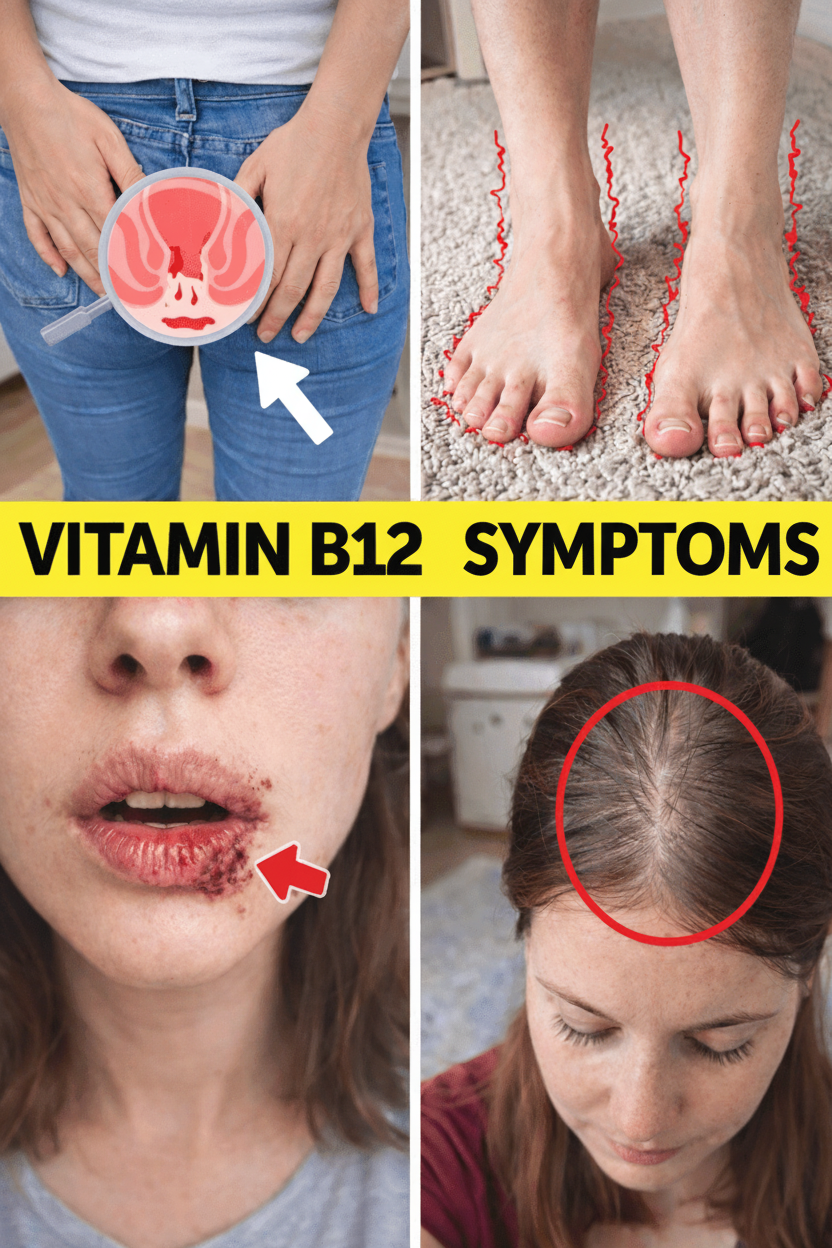
A sore, inflamed, or unusually smooth tongue—a condition medically termed glossitis—can be both frustrating and painful. You might also encounter recurrent mouth ulcers or a persistent burning sensation within your mouth. These oral manifestations arise because the rapidly dividing cells lining your mouth and tongue are highly dependent on sufficient B12. Some individuals report a swollen or “beefy-red” tongue, making the consumption of spicy or acidic foods particularly uncomfortable. This symptom is well-documented in medical reviews from trusted institutions globally.
5. Brain Fog and Memory Challenges
Are you increasingly misplacing your keys, struggling to maintain focus, or experiencing a general mental fogginess? Low B12 levels can significantly impair cognitive function, leading to symptoms such as confusion, diminished memory recall, or even noticeable shifts in mood, including heightened irritability. Research underscores that the neurological repercussions of B12 deficiency can manifest as these subtle cognitive changes, which are often mistakenly attributed to everyday stress or the natural process of aging.
6. Issues with Balance or Dizziness
Experiencing unsteadiness on your feet or feeling lightheaded when you stand up too quickly can be another indicator. This symptom often links back to nerve damage and compromised oxygen delivery throughout the body. Some individuals report difficulty walking in a straight line or a disconcerting sensation of swaying. While often developing gradually, these balance issues can significantly impede daily activities, such as navigating stairs or walking confidently.
7. Unexplained Mood Swings and Low Spirits
Episodes of irritability, persistent low mood, or even feelings akin to depression can sometimes be connected to your Vitamin B12 status. This essential nutrient is vital for supporting the synthesis of brain chemicals (neurotransmitters) that play a critical role in mood regulation. Consequently, a shortage of B12 may contribute to emotional fluctuations and a general sense of unease without an obvious external cause. Many report feeling “off” or experiencing unexplained sadness, making nutrient status a crucial consideration.
8. Shortness of Breath or Heart Palpitations
Finding yourself out of breath after only light physical activity, or experiencing noticeable heart palpitations, can be alarming signs. These symptoms are often a direct consequence of the anemia caused by B12 deficiency. With fewer healthy red blood cells, your blood carries less oxygen, forcing your heart to work harder and faster to circulate oxygen to your tissues. This increased effort can lead to a feeling of breathlessness and an irregular or rapid heartbeat, even during minimal exertion.
If you recognize several of these subtle yet persistent signs, it’s highly recommended to consult a healthcare professional. A simple blood test can confirm a Vitamin B12 deficiency, and timely intervention through dietary adjustments or supplementation can help restore your health and vitality.