 By admin
 Cervical Cancer: Essential Insights and the Critical Role of Early Detection
Cervical cancer originates in the cells of the cervix, which is the lower segment of the uterus connecting to the vagina. Extensive research from esteemed organizations such as the American Cancer Society and the Mayo Clinic consistently highlights that the vast majority of cases are linked to persistent infection with high-risk strains of the human papillomavirus (HPV). HPV is a very common virus primarily transmitted through sexual contact.
The encouraging news is that when cervical cancer is detected early through routine screening, treatment outcomes significantly improve. However, a significant challenge arises because many women overlook initial indicators, as the symptoms can often mimic those of other common, less serious conditions, such as vaginal infections or typical menstrual irregularities. Studies underscore the importance of self-awareness and open communication with a healthcare provider regarding any bodily changes, as this proactive approach can lead to much earlier diagnosis. Beyond symptom vigilance, regular medical check-ups remain the gold standard for detection, particularly since the earliest stages of cervical cancer frequently present with no noticeable symptoms at all.
Key Warning Signs to Monitor
While many non-cancerous conditions can cause similar issues, certain changes warrant prompt medical evaluation, especially if they persist. Reputable sources, including the Mayo Clinic, the CDC, and the American Cancer Society, identify the following as potential indicators of cervical cancer:
Abnormal Vaginal Bleeding
This is consistently reported as one of the most prominent signs. It may manifest as unexpected spotting or bleeding between menstrual periods, bleeding after sexual intercourse, or any bleeding post-menopause. Additionally, menstrual periods that become unusually heavy or last longer than your typical cycle should also be noted. Organizations like the NHS and Cancer Research UK firmly advise that any unexplained vaginal bleeding is not normal and necessitates a timely consultation with your doctor.
Unusual Vaginal Discharge
A change in the color, consistency, or odor of vaginal discharge can be a cause for concern. This might include discharge that appears watery, bloody, pink, brown, or possesses a strong, unpleasant smell. If the discharge is noticeably heavier than usual or occurs outside your regular menstrual cycle, it’s advisable to track these changes and seek medical advice.
Pain During or After Intercourse
Experiencing discomfort or pain during or after sexual intimacy, medically termed dyspareunia, is another symptom noted by institutions such as the MD Anderson Cancer Center. This pain can range from sharp to a dull ache and may persist over time.
Persistent Pelvic or Lower Back Pain
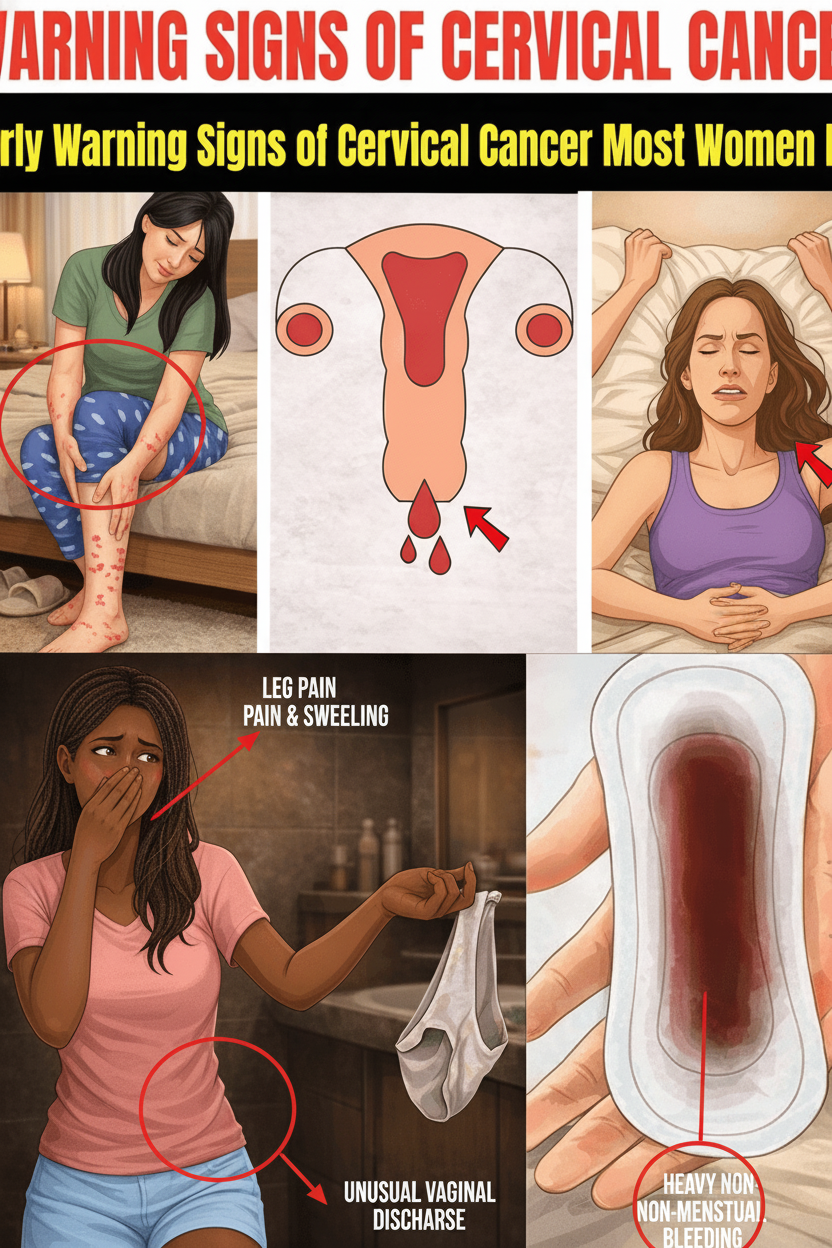
Ongoing pain in the pelvic region, lower back, or abdomen that cannot be attributed to your menstrual cycle or an obvious injury could indicate more advanced changes. This sensation might be described as a constant pressure or a persistent dull ache.
Other Potential Clues
Less common, and often indicative of later stages, are symptoms such as unexplained leg swelling, persistent fatigue without a clear cause, or alterations in bowel or bladder habits due to pressure from tumor growth. These signs typically emerge as the disease progresses.
To help distinguish between everyday issues and potential red flags, consider this quick comparison:
- Normal menstrual spotting: Typically light, infrequent, and linked to natural cycle fluctuations. Concerning bleeding: Persistent, unrelated to your cycle, occurring after sex, or appearing post-menopause.
- Typical discharge: Generally clear to white, with a mild or no odor, varying naturally throughout your cycle. Unusual discharge: Foul-smelling, tinged with blood, or consistently heavy.
If any of these symptoms persist for more than a couple of weeks, do not delay—contact a healthcare professional immediately.
Why Early Warning Signs are Often Missed
In the rush of daily life, it’s common for women to dismiss new bodily changes, attributing them to stress, aging, or minor infections. Furthermore, many individuals feel a degree of embarrassment or discomfort when discussing intimate vaginal health concerns. However, it’s crucial to remember that healthcare providers regularly address these issues. The reality is that early cervical changes progress slowly and frequently without any pain, which underscores why routine screening tests, such as Pap smears or HPV tests, are so incredibly valuable. Modern guidelines, including those from the American Cancer Society (with updates as recent as 2025), now even include options for self-collection for HPV testing in certain scenarios, significantly enhancing screening accessibility.
Empowering Steps You Can Take Today
Taking proactive steps for your cervical health is empowering and can lead to vital early detection and prevention. Health experts recommend these practical habits:
- Schedule Regular Screenings: Adhere to recommended guidelines for cervical cancer screening. For women aged 21-29, a Pap test is typically advised every three years. For those aged 30-65, a combined Pap and HPV test every five years is often recommended, or as your doctor advises based on your personal risk factors. Discuss your individual screening plan with your healthcare provider.
- Track Your Symptoms: Maintain a simple journal to note any changes in your menstrual cycle, vaginal discharge, bleeding patterns, or pelvic pain. Record dates, intensity, and potential triggers. This detailed information can be invaluable when discussing concerns with your provider.
- Consider HPV Vaccination: If you are eligible, the HPV vaccine offers robust protection against the high-risk strains of the virus responsible for most cervical cancers. It is most effective when administered before exposure to HPV but can still provide significant benefits for many adults. Consult your doctor to determine if vaccination is right for you.
- Adopt Safe Lifestyle Habits: Practice safe sex by using barrier protection during intimacy. Avoid smoking, as it is a known risk factor for cervical cancer. Furthermore, support your overall wellness through a balanced diet, regular physical activity, and stress management.
- Know When to Seek Professional Help: If anything feels “off” or you experience persistent symptoms, do not hesitate to contact your gynecologist or primary care provider without delay. Early conversations can offer immense peace of mind or facilitate timely and effective medical care.
These crucial steps require minimal time but collectively build a strong foundation for long-term cervical health and protection. Beyond formal screenings, maintaining a healthy lifestyle plays a vital supporting role in minimizing your risk and promoting overall well-being.