 By admin
 Fueling Wellness: How Everyday Foods Impact Your Organs and Practical Strategies for Support
Our daily meals are far more than just sources of energy or moments of pleasure; they profoundly shape our internal health. Many of us often indulge in tasty foods without fully considering the cumulative effect certain dietary choices – such as excessive salt, sugar, or unhealthy fats – might have on our vital organs over time. These choices, while seemingly innocuous individually, can gradually impose significant strain on the body’s hardworking systems.
Scientific research consistently highlights the intricate link between specific dietary patterns and long-term health outcomes. The encouraging news is that empowering ourselves with knowledge and making small, intentional adjustments can yield substantial benefits for overall well-being. This article will delve into common foods and their potential impacts on key organs, offering actionable advice to help you thrive. And stay tuned, because we’ll reveal a simple yet powerful habit towards the end that can offer widespread protection for multiple organs.
Understanding How Diet Influences Organ Health
Your body is a complex biochemical marvel, constantly processing everything you consume. The quality and composition of your diet directly impact this intricate machinery. Persistent intake of certain substances can overburden your natural filtering mechanisms, provoke systemic inflammation, or disrupt metabolic balance. Leading health organizations, such as the American Heart Association, continuously underscore the critical role of a balanced diet in supporting optimal function across the heart, liver, kidneys, and other essential systems. Let’s now explore these connections organ by organ, backed by scientific insights.
Liver: Mind Your Alcohol Intake
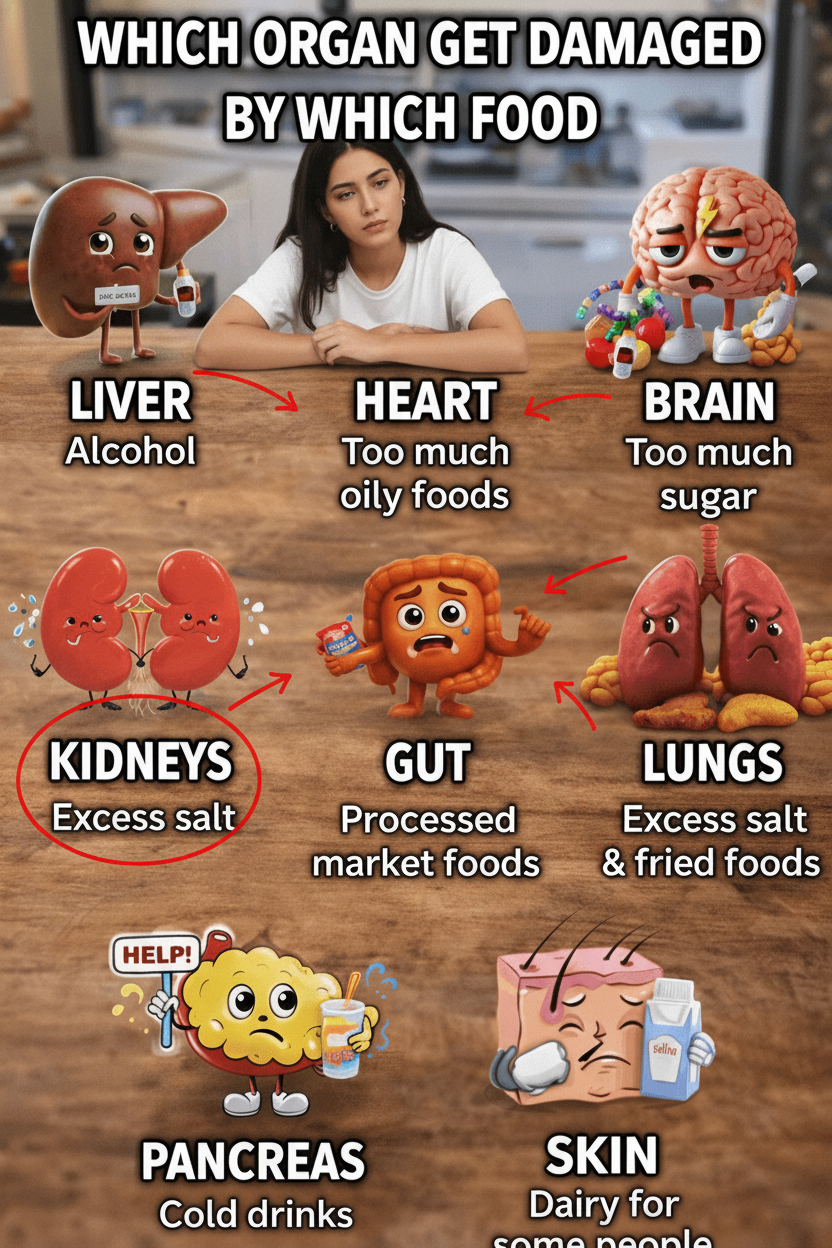
The liver, your body’s primary detoxification center and metabolic powerhouse, is highly susceptible to dietary influences. Prolonged and excessive alcohol consumption is a well-documented culprit, leading to conditions like fatty liver disease, inflammation (alcoholic hepatitis), and potentially cirrhosis, as highlighted by health authorities like the NHS and Mayo Clinic. Even moderate but frequent drinking can contribute to chronic stress on this vital organ over many years.
- To fortify your liver health:
- Adhere strictly to recommended alcohol consumption guidelines, or consider complete abstinence.
- Prioritize a diet rich in whole, unprocessed foods, emphasizing fresh vegetables and lean protein sources.
- Maintain optimal hydration by choosing water over sugary or alcoholic beverages.
Heart: Limit Oily and Fried Foods
Your cardiovascular system thrives on a balanced diet, yet certain foods can compromise its integrity. Deep-fried items and meals laden with unhealthy fats (specifically trans and excessive saturated fats) are notorious for elevating LDL (“bad”) cholesterol levels and fostering plaque buildup in arteries, a process known as atherosclerosis. Numerous studies, including those endorsed by the American Heart Association, consistently link frequent consumption of fried foods to increased risks of cardiovascular diseases.
- Actionable steps for a healthy heart:
- Opt for heart-friendly cooking methods such as baking, grilling, roasting, or steaming instead of deep-frying.
- Incorporate healthy fats from sources like avocados, nuts, seeds, and olive oil in moderation.
- Diligently read food labels to identify and avoid hidden trans fats.
Brain: Be Mindful of Excess Sugar
The brain, an energy-intensive organ, relies on a steady and balanced supply of glucose. However, excessive intake of added sugars can lead to rapid blood sugar spikes and crashes, impairing cognitive function, affecting mood stability, and potentially contributing to long-term neurological issues. Research, including insights from