 By admin
 Natural Kidney Support: Exploring the Potential of Bay Leaves and Cloves in a Simple Herbal Infusion
The health of our kidneys is fundamental to overall well-being, influencing everything from our energy levels and fluid balance to our body’s natural detoxification processes. When individuals face challenges with kidney function or simply seek proactive ways to maintain their renal health, they often look for gentle, everyday approaches to complement their routine. Common concerns revolve around managing oxidative stress, ensuring proper hydration, and supporting the kidneys’ natural filtration capabilities without overburdening the system.
While many kitchen staples are explored for their mild health benefits, an intriguing traditional combination of bay leaves and cloves, often prepared as a simple herbal infusion, has garnered attention in folk medicine and some early scientific investigations for its potential role in supporting urinary and kidney health. What makes this aromatic duo a subject of growing interest? Let’s delve into the details with a focus on safety and informed exploration.
Understanding Bay Leaves and Cloves
Bay leaves originate from the Laurus nobilis tree, an evergreen native to the Mediterranean region. These distinctively aromatic leaves are culinary essentials, imparting a subtle depth to a wide array of dishes, from hearty stews to delicate sauces.
Cloves, conversely, are the dried flower buds of the Syzygium aromaticum tree. Renowned for their warm, pungent flavor, cloves are versatile spices used in everything from festive baking to complex spice blends. Both bay leaves and whole cloves are readily available in most grocery stores, typically found in the spice aisle. Their long shelf life also makes them convenient and economical additions to any pantry.
The Historical Roots of This Herbal Pairing
Across various traditional health systems, the practice of simmering bay leaves and cloves in water to create a fragrant beverage has been observed for generations. This age-old custom is believed to harness the natural compounds found within these herbs:
- Bay leaves contain notable compounds such as 1,8-cineole and quercetin.
- Cloves are particularly rich in eugenol.
These specific compounds have become focal points in laboratory and animal studies, where they are investigated for properties like significant antioxidant activity and potential mild diuretic effects. Furthermore, some research explores how these ingredients might interact with enzymes relevant to urinary tract health or contribute to reducing inflammation within bodily tissues. For instance, certain studies on bay leaf extracts have examined their interaction with urease, an enzyme sometimes implicated in urinary concerns. Similarly, preclinical research on clove extracts has indicated their potential in mitigating oxidative stress.
It is crucial to remember, however, that the majority of existing evidence stems from in-vitro (test tube) experiments, animal models, or anecdotal traditional use. Human clinical trials specifically investigating these herbs for direct kidney support remain limited and are not yet conclusive. Therefore, these traditional practices should always be viewed as complementary approaches rather than primary medical treatments.
Preliminary Insights into Their Potential Supportive Properties
Early investigations highlight several areas where bay leaves and cloves show promise for kidney and urinary system support:
- Potent Antioxidant Support: Both bay leaves and cloves are recognized for their high antioxidant content. Research suggests that these antioxidants can help neutralize free radicals, thereby combating oxidative stress, which is a known factor that can impact kidney cells over time.
- Mild Diuretic-Like Effects: Some animal studies indicate that compounds found in bay leaves and cloves may gently encourage healthy urine flow. This property could potentially aid the body’s natural detoxification processes and contribute to maintaining fluid balance.
- Anti-Inflammatory Potential: Bioactive compounds such as eugenol in cloves and various phytochemicals in bay leaves have been studied for their ability to modulate inflammatory responses in tissues, including those within the urinary system.
- Enzyme Interactions: Components of bay leaves have demonstrated urease-inhibiting activity in laboratory settings. This activity has sparked preliminary interest regarding its potential connection to urinary stone prevention in certain models.
Important Note: These promising findings are predominantly derived from non-human studies. Reputable organizations like the National Kidney Foundation consistently advise extreme caution when considering herbal remedies, especially for individuals with pre-existing kidney conditions. Herbs can potentially interact with prescribed medications or affect electrolyte balance, underscoring the necessity of professional medical guidance.
Crafting a Simple Bay Leaf and Clove Infusion at Home
Should you wish to explore this traditional infusion as a gentle addition to your wellness routine, here is a straightforward method. Please remember, this information is not medical advice. Always consult your healthcare provider before incorporating new herbal remedies, particularly if you have existing kidney issues, are on medication, or are pregnant.
Ingredients (for 1-2 servings):
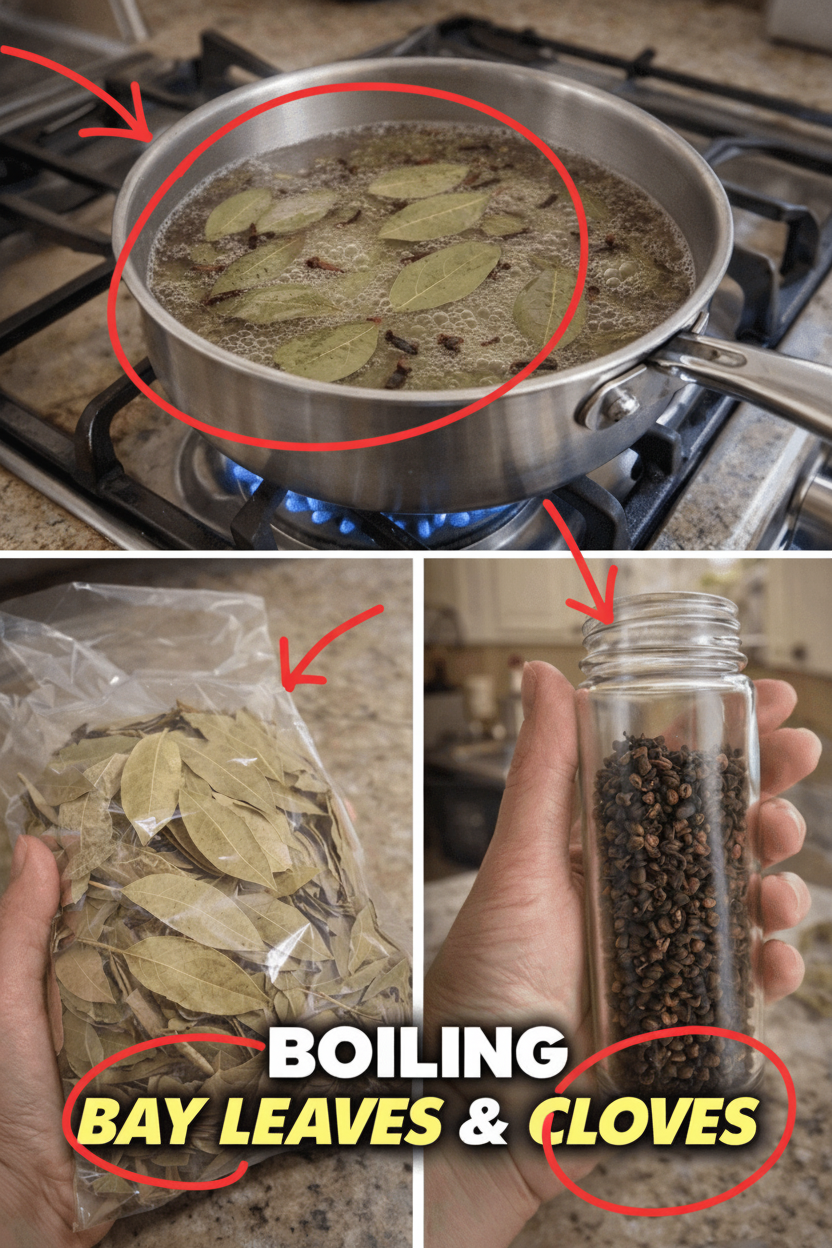
- 3-4 dried bay leaves
- 4-5 whole cloves
- 2-3 cups of water
Steps:
- Begin by lightly rinsing the bay leaves and whole cloves under cool running water to remove any surface dust or impurities.
- Place the rinsed bay leaves and cloves into a small saucepan. Add the measured amount of water.
- Bring the mixture to a gentle boil over medium heat. Once boiling, reduce the heat to a low simmer.
- Allow the herbs to simmer for approximately 10-15 minutes. During this time, the aromatic compounds will infuse into the water, filling your kitchen with a warm, inviting, and subtly spicy fragrance.
- After simmering, remove the saucepan from the heat. Carefully strain the liquid to remove the bay leaves and cloves.
- Pour the warm infusion into a mug. You may enjoy it as is, or you can add a touch of honey or lemon if desired for flavor.
This simple infusion offers a way to experience the aromatic qualities of bay leaves and cloves. As with any natural remedy, consistent and moderate use is key, always within the bounds of professional medical advice and personal comfort.