 By admin
 Have you noticed tiny, pale patches appearing on your skin, particularly on areas frequently exposed to the sun? These small white spots, often flat, circular, or oval in shape and typically measuring between 2 to 10 mm, are a common dermatological concern. While they can affect anyone, they often become more noticeable on individuals with darker complexions, where they stand out as distinct areas that resist tanning.
Frequently, these markings are attributed to a condition known as Idiopathic Guttate Hypomelanosis (IGH), sometimes colloquially referred to as “white sun spots” or even “reverse freckles.” Dermatological research consistently indicates that IGH prevalence increases with age, particularly after 40, and is strongly associated with years of cumulative ultraviolet (UV) radiation exposure. These benign spots develop due to a localized decrease in melanin production or the number of melanin-producing cells (melanocytes) within the affected skin, resulting in hypopigmentation. Crucially, IGH spots are typically asymptomatic, meaning they don’t cause scaling, itching, or pain.
While IGH is a primary culprit, other conditions can also manifest as similar-looking white spots on the skin. These include:
- Post-inflammatory Hypopigmentation: This occurs when the skin lightens after minor irritation, injury, or dryness.
- Tinea Versicolor: A common superficial fungal infection that can lead to lighter, sometimes subtly scaly patches, often on the trunk and upper arms.
- Pityriasis Alba: More prevalent in children and adolescents, this condition presents as faint, dry, scaly patches, typically on the face and arms.
It’s important to remember that, in the vast majority of cases, these small white spots are entirely harmless and do not signal a serious underlying health issue. Nevertheless, if you observe rapid spreading, changes in texture, or the appearance of additional symptoms, it is always prudent to consult a healthcare professional for an accurate diagnosis and personalized guidance.
Common Causes of Small White Spots on the Skin
Understanding the root causes behind these areas of hypopigmentation is key to managing them. The primary factor in many instances is prolonged and cumulative sun exposure.
Over years, consistent exposure to ultraviolet (UV) radiation can gradually impact melanocytes—the specialized cells responsible for producing melanin, the pigment that gives skin its color. This localized damage or dysfunction in specific areas leads to the formation of lightened patches. Although more frequently observed and perhaps more pronounced in individuals with fair to medium skin tones, these spots are noticeable across all complexions, especially as surrounding skin tans, creating a starker contrast.
Beyond UV exposure, other elements play a significant role:
- Natural Aging Process: As we age, the skin’s ability to produce and distribute pigment uniformly can diminish, contributing to uneven skin tone.
- Genetic Predisposition: A family history of IGH or similar pigmentary changes can increase an individual’s likelihood of developing these spots.
- Environmental Factors: Regular outdoor activities without adequate sun protection can accelerate the development of these spots.
While the precise etiology for some individuals remains “idiopathic” (meaning of unknown cause), it’s clear that lifestyle choices can significantly influence both the appearance and progression of these spots, as well as contribute to overall skin resilience.
Distinguishing IGH from Other Skin Conditions
To help you determine if the white spots you’re observing are likely IGH, consider these characteristic features:
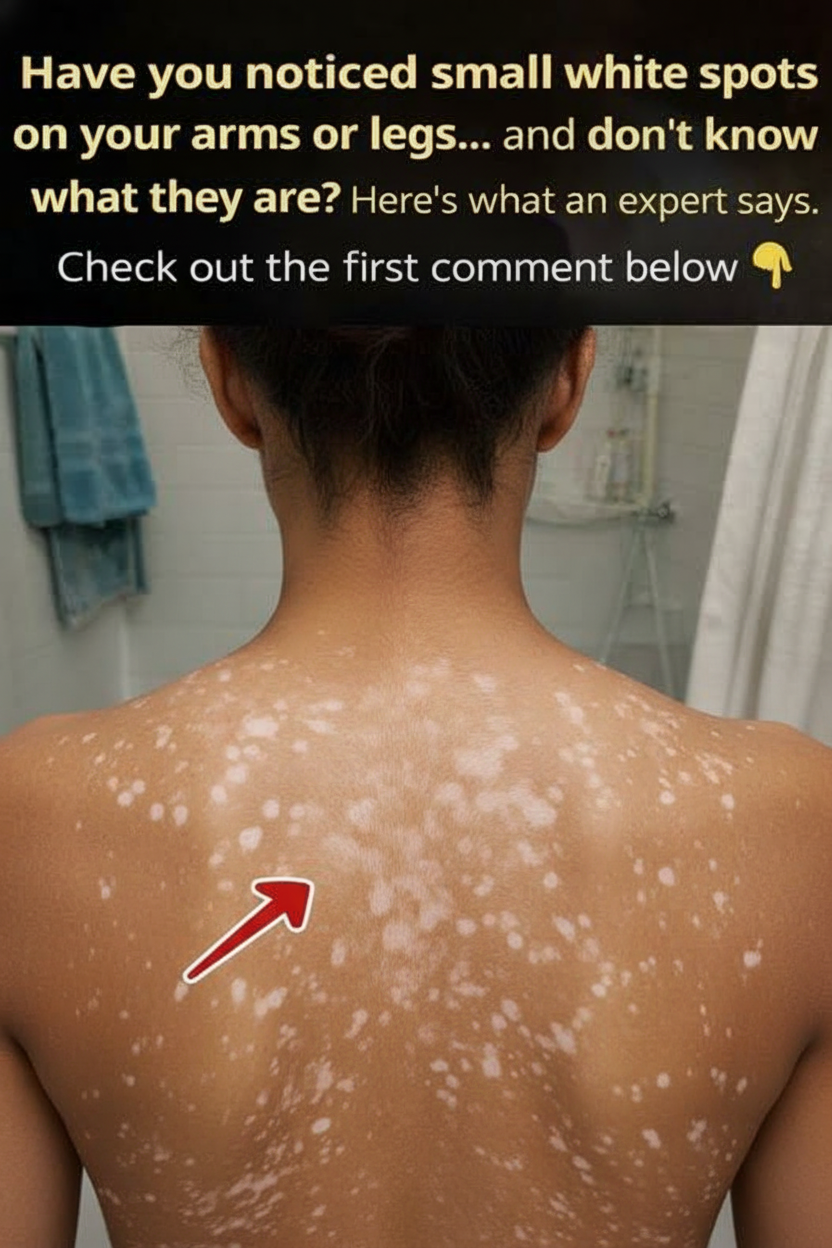
- Appearance: Typically small (2-6 mm), round or oval, and distinctly flat and smooth. IGH spots generally lack raised edges, scaling, or flakiness.
- Location: Most commonly found on chronically sun-exposed areas, such as the forearms, shins, upper back, and shoulders.
- Associated Symptoms: Usually none. IGH spots are typically asymptomatic, meaning they don’t itch, cause pain, or spread rapidly.
- Onset and Progression: They tend to develop gradually, becoming more numerous and noticeable with increasing age and a history of significant sun exposure.
- Tanning Response: The affected areas remain light, even when the surrounding skin tans. This contrast often makes them more prominent during warmer months.
If your spots present with different characteristics—such as being larger, noticeably scaly, itchy, or appearing in unusual clusters—it’s possible other factors, like severe dryness, contact dermatitis, or mild fungal infections, could be at play.
Practical Strategies for Optimal Skin Health and Appearance
While completely preventing every white spot might not be feasible, adopting a proactive approach to skin care can significantly help maintain a more even skin tone and protect against further pigmentary changes. Here are evidence-backed habits to integrate into your daily routine:
- Daily Sun Protection is Paramount: Make broad-spectrum sunscreen with an SPF of 30 or higher a non-negotiable part of your morning routine. Apply it generously to all exposed skin, even on overcast days or when indoors near windows. Reapply every two hours, or more frequently if swimming or sweating. This consistent practice is your strongest defense against UV radiation, a primary driver of skin pigment irregularities.
- Embrace Protective Apparel: During peak sun hours (typically 10 a.m. to 4 p.m.), opt for clothing that offers physical barriers. Long-sleeved shirts, pants, wide-brimmed hats, and garments with Ultraviolet Protection Factor (UPF) ratings provide excellent defense for your arms and legs.
- Maintain Skin Hydration: Regularly use gentle, fragrance-free moisturizers to keep your skin adequately hydrated. Well-moisturized skin can appear smoother and healthier, potentially making uneven tone less conspicuous and reducing dryness that can sometimes exacerbate skin changes.
- Consider Gentle Exfoliation (If Suitable): A very mild exfoliation routine can help promote a smoother skin texture. However, exercise caution and avoid aggressive scrubbing, which can lead to irritation and potentially worsen skin conditions. Consult a dermatologist before incorporating new exfoliation methods.
- Nourish Your Skin from Within: Support overall skin resilience by adopting a healthy lifestyle. Incorporate antioxidant-rich foods like berries, leafy greens, and nuts into your diet. Ensure adequate hydration by drinking plenty of water, and avoid smoking, which is known to impair skin repair mechanisms and overall skin health.
These strategies are not instant remedies but rather foundational pillars for long-term skin wellness. Many individuals report enhanced confidence simply by committing to consistent sun protection and a holistic approach to skin care.
When to Consult a Healthcare Professional
Although the majority of small white spots are benign, there are specific situations where seeking medical advice from a dermatologist or healthcare provider is highly recommended:
- Rapid Changes: If the spots begin to multiply quickly, grow in size, or merge into larger, more extensive patches.
- Associated Symptoms: If you experience additional symptoms such as persistent itching, noticeable scaling, redness, or inflammation within or around the spots.
- Systemic Concerns: If these skin changes coincide with other unusual or concerning health symptoms.
A qualified professional can provide an accurate diagnosis, rule out other conditions, and offer personalized insights and treatment options tailored to your specific skin type and medical history, ensuring peace of mind.
Embracing Skin Confidence Through Knowledge and Care
Small white spots on the skin, particularly those appearing on sun-exposed areas like the arms, legs, and back, are frequently attributed to common factors such as cumulative sun exposure and the natural aging process. In many adults, these manifest as Idiopathic Guttate Hypomelanosis (IGH), a typically benign and harmless condition.
While these spots are generally not a cause for medical concern, understanding their nature and adopting consistent skin care practices—especially diligent sun protection—can significantly contribute to maintaining overall skin health and an even complexion. Remember, for any new or changing skin concerns, a consultation with a dermatologist is always the best course of action to ensure an accurate diagnosis and appropriate guidance.