 By admin
 Metoprolol Side Effects: A Patient’s Essential Guide to Medication Awareness
Many individuals prescribed metoprolol for managing heart conditions or high blood pressure often notice subtle yet significant shifts in their daily well-being. These changes can sometimes transform routine activities, like climbing a flight of stairs or maintaining focus during work, into unexpected challenges. The empowering truth is that gaining a deeper understanding of how this medication interacts with your body can foster a sense of confidence and empower more effective collaboration with your healthcare team. Interestingly, there’s a simple, practical daily habit that subtly influences several of these effects, yet it’s frequently overlooked by most – we will unveil this valuable insight towards the conclusion of this guide.
Why Metoprolol Side Effects Occur and the Importance of Vigilance
Metoprolol is classified as a beta-blocker, a vital group of medications designed to moderate heart rate and relax blood vessels. This action effectively reduces the heart’s workload and helps regulate blood pressure. Given their direct impact on the cardiovascular system, experiencing certain side effects is a natural part of your body’s adjustment process. Reputable health organizations, including the Mayo Clinic and MedlinePlus, confirm that the majority of users experience only mild effects, which frequently diminish over time. The critical factor is early recognition, enabling you to continue your treatment safely and comfortably.
It’s important to note that many of these potential side effects can mimic symptoms of everyday stress or the natural aging process, making them easy to dismiss initially. However, here’s where proactive engagement becomes invaluable: by learning to identify recurring patterns in your own experiences, you equip yourself with a powerful tool for more informed and productive discussions with your doctor or pharmacist.
The 10 Common Metoprolol Side Effects Explained
-
Persistent Fatigue or Unusual Tiredness
Experiencing persistent fatigue or an unusual sense of tiredness, even after adequate rest, is among the most commonly reported metoprolol side effects. This sensation arises because metoprolol, by gently lowering your heart rate, can lead to a slightly reduced rate of oxygen and nutrient delivery throughout your body. Research suggests that up to 10% of individuals taking this medication, particularly during the initial weeks of treatment, may encounter this. Patients often describe it as feeling “drained” rather than merely sleepy. Encouragingly, for many, energy levels tend to normalize as the body adapts to the medication over several weeks.
-
Dizziness or Lightheadedness
You might occasionally feel dizzy or lightheaded, especially when rising quickly from a seated or lying position, or after extended periods of activity. This occurs because metoprolol can cause a more noticeable drop in blood pressure in certain postures. MedlinePlus identifies this as a frequent patient concern, typically mild in nature. A simple yet surprisingly effective strategy for many is to ensure adequate hydration and to transition slowly when changing positions.
-
Slower Than Normal Heart Rate (Bradycardia)
Since metoprolol is specifically designed to reduce heart rate, a lower pulse is an anticipated effect. In some instances, this might manifest as a feeling of your heart “taking it easy.” Clinical data from the FDA product label confirms this is common and generally benign. Nevertheless, if your pulse consistently drops below 50 beats per minute, or if you experience associated symptoms like fainting or severe dizziness, it warrants immediate contact with your healthcare provider.
-
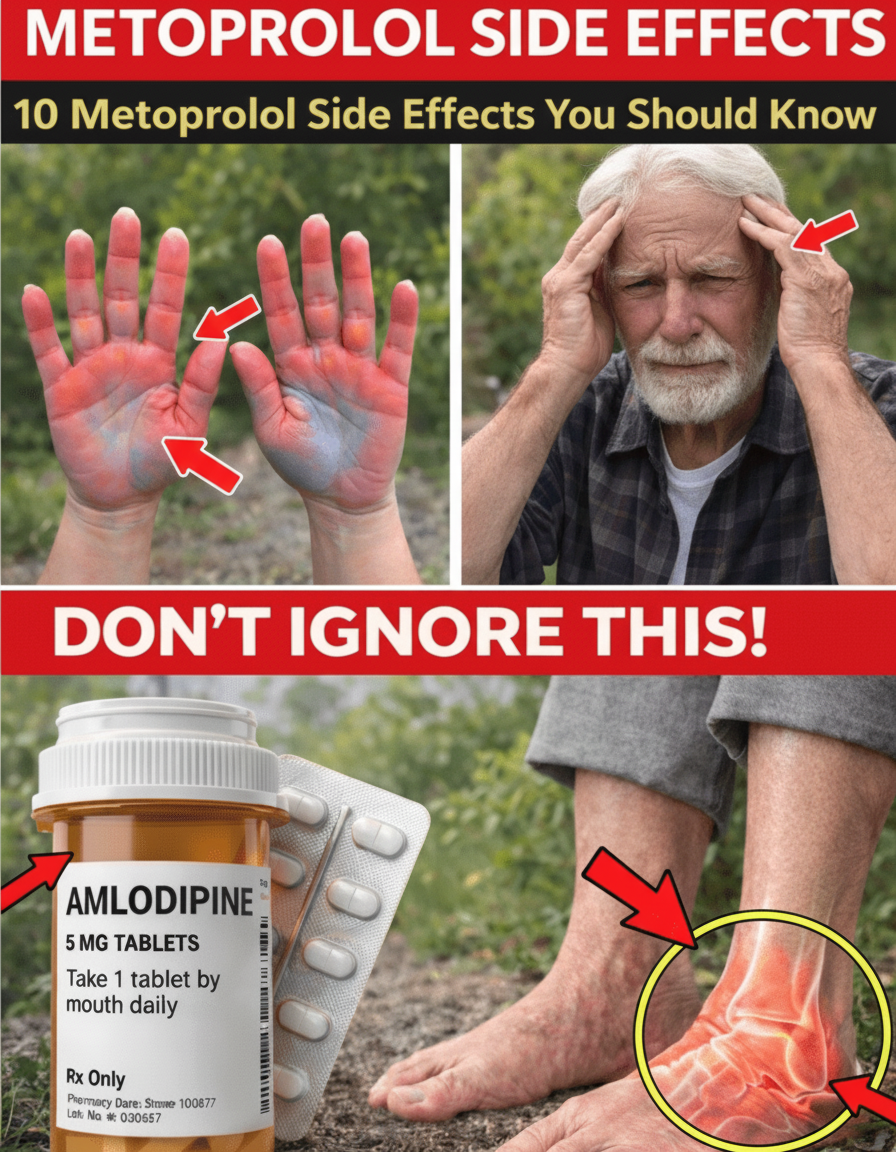
Cold Hands and Feet (Raynaud’s-like Symptoms)
You may notice your fingers and toes feeling cooler than usual, occasionally accompanied by a bluish tint, particularly in colder environments. This phenomenon, known as Raynaud’s-like symptoms, results from beta-blockers potentially restricting blood flow to the extremities. WebMD highlights this as a characteristic effect of the medication. A straightforward and effective measure many people adopt is wearing warm socks and gloves during cooler seasons.
-
Shortness of Breath During Physical Activity
Some users report experiencing breathlessness more quickly during activities like walking uphill or engaging in exercise. This is directly related to the heart’s moderated response rate due to the medication. According to patient data reviews on platforms like GoodRx, this effect can be more pronounced in individuals who maintained a high level of physical activity prior to commencing treatment. Gradually adjusting your exercise routine often allows the body sufficient time to adapt.
-
Gastrointestinal Disturbances (Diarrhea or Nausea)
Mild digestive upset, including loose stools or occasional nausea, can emerge, particularly during the initial weeks of therapy. The Mayo Clinic documents these gastrointestinal effects in a small percentage of users. To enhance comfort, consider consuming smaller, more frequent meals and avoiding heavy or overly spicy foods immediately after taking your dose.
-
Mood Changes or Feelings of Depression
A minority of individuals may experience subtle mood shifts or feelings of sadness. This effect is thought to be linked to how beta-blockers can influence certain neurochemicals in the brain. Research published in various medical reviews indicates that these mood changes are typically transient. Engaging in an open dialogue with your doctor about any emotional fluctuations is highly advisable, as straightforward adjustments often lead to rapid improvement.
-
Headaches
Mild headaches can sometimes occur as your body adjusts to metoprolol. While generally not severe, if headaches become persistent or intense, it’s important to discuss them with your healthcare provider. Often, these headaches subside as your body acclimates to the medication.
-
Sleep Disturbances (Insomnia or Vivid Dreams)
Some patients report difficulty falling asleep (insomnia) or experiencing unusually vivid or disturbing dreams. This is another known effect of beta-blockers that can impact the central nervous system. If sleep disturbances significantly affect your quality of life, discussing this with your doctor can lead to strategies for better rest.
-
Skin Rash or Itching
Less commonly, individuals may develop a mild skin rash or experience itching. While typically not serious, any new skin reaction should be monitored. If a rash is widespread, accompanied by hives, or causes significant discomfort, seek medical advice promptly, as it could indicate an allergic reaction.
Empowering Your Health Journey with Metoprolol
Understanding these potential metoprolol side effects is not about causing alarm, but rather about empowering you to be an active participant in your own healthcare. By recognizing common symptoms and knowing when to communicate with your doctor, you can navigate your treatment path more confidently. Remember the practical daily habit we hinted at earlier? Staying consistently hydrated throughout the day can significantly mitigate several of these effects, particularly dizziness and fatigue. Always consult your healthcare provider with any concerns or questions regarding your medication. Your proactive approach is key to optimizing your well-being while on metoprolol.