 By admin
 You’ve likely done it countless times: sliced open a ripe avocado, scooped out its creamy green flesh, and instinctively tossed the large seed into the waste bin. This common practice means most people are unknowingly discarding a part of the fruit that traditional cultures revered for its health-promoting properties. While you might occasionally grapple with digestive discomfort, fluctuating energy levels, or a feeling of heaviness after meals, the very component you discard could hold answers. Emerging research and ancient wisdom suggest the avocado pit, often overlooked, is a powerhouse of beneficial compounds, potentially containing even more antioxidants than the fruit’s flesh itself. By the end of this article, you’ll gain a new perspective on this unassuming seed and understand why nutrition experts are increasingly advocating for a reevaluation of its potential.
The Avocado Pit: A Hidden Nutritional Powerhouse You’re Overlooking
The avocado pit, or seed, is the hard, central core of the avocado fruit. Its tough texture and bitter taste often lead people to believe it’s inedible and devoid of value. Yet, across various traditional cultures in Latin America, particularly in regions of Mexico and Central America, the avocado seed was far from useless. Instead, it was meticulously prepared – often dried, grated, or boiled – and incorporated into herbal drinks and wellness routines. These preparations were historically valued for their potential to support digestion and enhance overall vitality.
Modern scientific inquiry now provides compelling reasons to revisit these ancient practices. Researchers analyzing avocado components have discovered that the seed boasts a remarkable concentration of plant compounds, including a significant amount of antioxidants and dietary fiber. Intriguingly, some studies indicate that a substantial portion of the avocado’s total antioxidant capacity might actually reside within its seed, surpassing that found in the pulp. This implies that the part most people routinely discard could be a nutritionally dense treasure. However, its inherent bitterness and hardness mean it cannot be consumed raw and necessitates specific preparation methods, a crucial point for anyone considering its use.
Key Phytochemicals and Nutrients Within the Avocado Seed
When scientists delve into the composition of plant-based foods, they frequently identify a class of beneficial compounds known as phytochemicals. These naturally occurring plant substances are recognized for their potential to support various normal bodily processes. Avocado pits are particularly rich in several such compounds, with the most notable including:
- Polyphenols: These potent compounds function as antioxidants, playing a vital role in neutralizing unstable molecules called free radicals, which can contribute to cellular damage.
- Soluble Fiber: Essential for maintaining digestive equilibrium, soluble fiber contributes to healthy gut bacteria and promotes overall gut health.
- Plant Sterols: These plant-derived molecules are currently a subject of extensive research for their potential role in supporting heart-friendly dietary patterns.
- Flavonoids: Widely recognized for their antioxidant properties, flavonoids are naturally abundant in many fruits, vegetables, and teas.
- Amino Acids: As the fundamental building blocks of proteins, amino acids are crucial for supporting a multitude of metabolic functions throughout the body.
The notable density of antioxidants within avocado seeds is a frequent highlight in research discussions. Laboratory analyses have, in certain instances, reported antioxidant levels in avocado seeds comparable to those found in other plant foods traditionally celebrated for these compounds. Nevertheless, experts consistently underscore the importance of moderation and proper preparation when exploring any traditional uses of the avocado pit.
Leveraging the Avocado Pit for Digestive Wellness
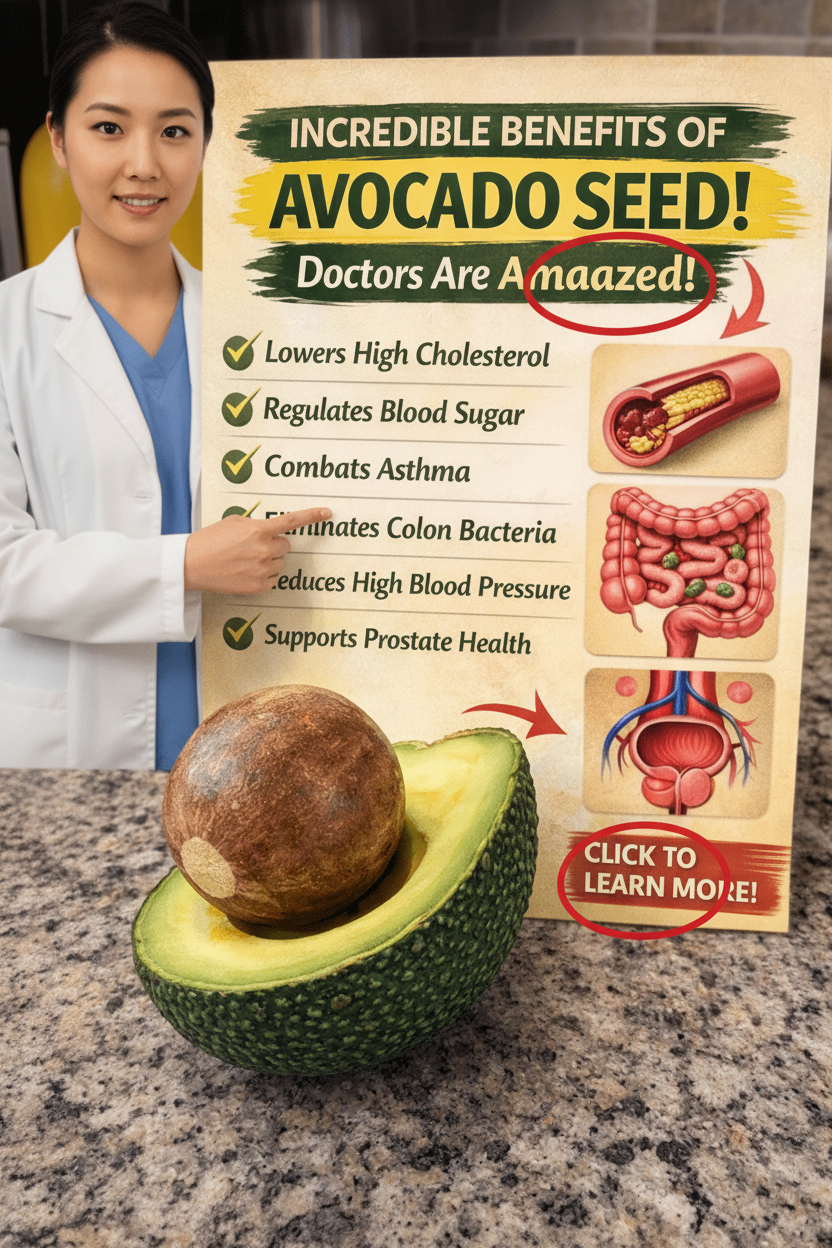
Digestive discomfort, encompassing issues like bloating, sluggish digestion, and irregular bowel movements, is a prevalent concern, particularly among adults. Historically, many traditional remedies have centered on fiber-rich plant ingredients to address these complaints. The avocado seed naturally contains a high concentration of fiber compounds, which, when properly prepared and consumed in very small quantities, may contribute to digestive balance.
Traditional practices often involved creating herbal teas by boiling dried pieces of the avocado pit. These infusions were historically used to alleviate mild digestive discomforts, such as:
- Occasional bloating experienced after substantial meals.
- Sensations of sluggish or slow digestion.
- Feeling excessively full or heavy, especially after consuming fatty foods.
- Supporting overall general gut balance.
From a nutritional science perspective, dietary fiber performs several crucial functions in digestion. It is known to:
- Promote normal bowel regularity and prevent constipation.
- Serve as nourishment for beneficial gut bacteria, fostering a healthy gut microbiome.
- Contribute to feelings of fullness and satiety after meals, potentially aiding in appetite management.
However, a critical point that cannot be overstated is the necessity for correct preparation and consumption in strict moderation. The avocado pit should never be considered a replacement for a balanced diet, professional medical advice, or prescribed treatments.
Antioxidant Support for Healthy Aging
One of the primary reasons avocado seeds have captured the interest of researchers is their impressive antioxidant content. As the human body ages, it naturally produces unstable molecules known as free radicals. Over time, an accumulation of these molecules can lead to oxidative stress, a process associated with the normal mechanisms of aging. Plant-derived antioxidants play a crucial role in neutralizing these free radicals, thereby helping to mitigate oxidative stress.
The rich profile of antioxidants within the avocado seed suggests its potential as a natural source of compounds that could contribute to maintaining cellular health and supporting the body’s resilience against the effects of normal aging processes. Incorporating such antioxidant-rich elements, when properly prepared, aligns with a broader dietary strategy aimed at promoting long-term well-being and helping you look at your avocado in a whole new light.