 By admin
 Waking Up to a Sticky Eye: A Common Concern for Parents
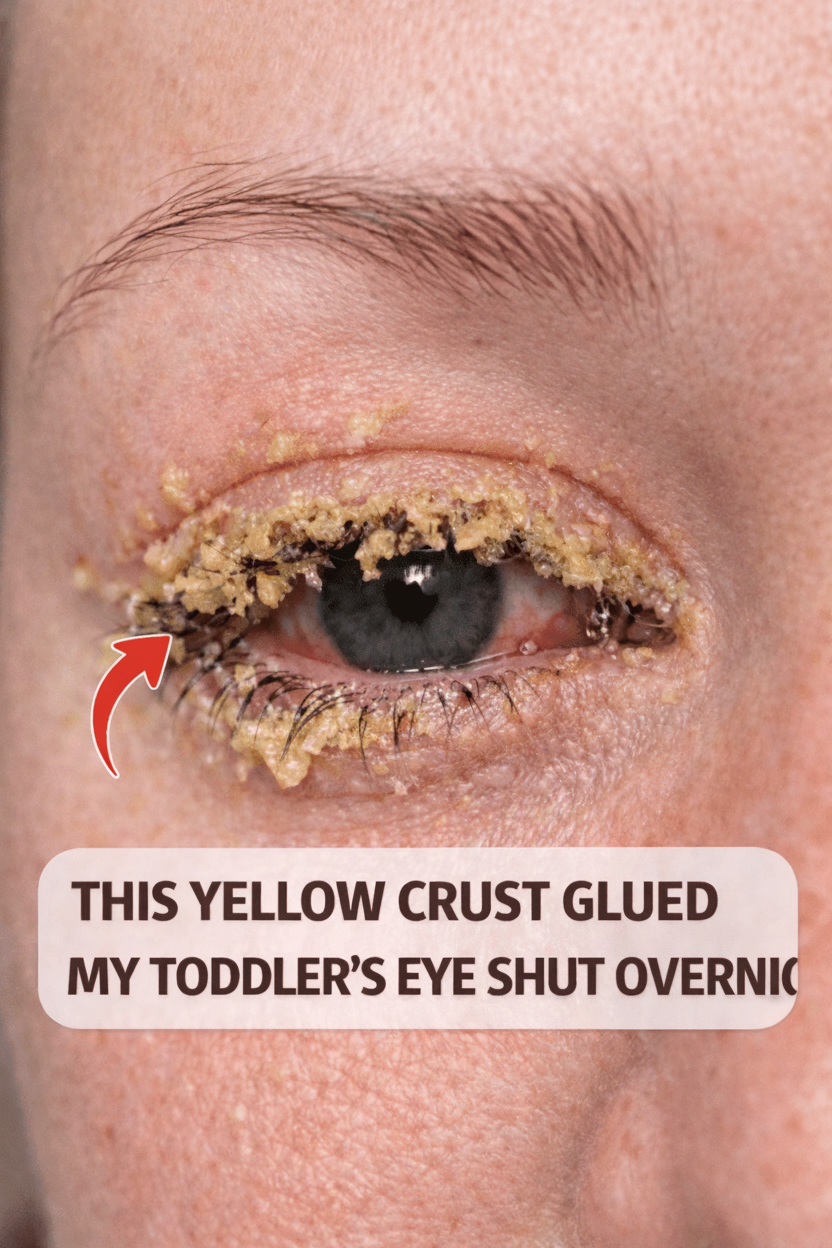
Waking up to find your toddler’s eye sealed shut by a sticky, yellowish discharge can be a startling experience for any parent. This common scenario often occurs first thing in the morning when a child tries to open their eyes, only to find an eyelid stubbornly crusted closed overnight. Understandably, many parents feel a surge of concern or even helplessness, particularly if their little one becomes distressed or cries due to discomfort. The reassuring news is that this phenomenon is remarkably prevalent among infants and young children, frequently stemming from relatively minor issues such as mild eye irritation, a common case of conjunctivitis, or a temporarily obstructed tear duct. What often surprises many parents, however, is the significant role simple, consistent home care routines can play in managing symptoms, maintaining eye hygiene, and ensuring your child’s comfort as you observe their condition.
Understanding Why Your Toddler’s Eye Might Be Crusted Shut Overnight
It can be quite surprising for parents to witness the rapid onset of thick, yellowish eye discharge. One evening, your child’s eyes appear perfectly normal, yet by the following morning, an eyelid may be completely sealed by a sticky crust. The fundamental reason behind this lies in the eye’s natural defense mechanisms. Our eyes continuously produce mucus and tears to cleanse and protect their delicate surface. When an irritant or an infection is present, this protective system ramps up its activity, leading to an increased production of discharge. A few prevalent conditions are typically responsible for this sticky eye phenomenon.
Conjunctivitis (Pink Eye)
Conjunctivitis, commonly known as ‘pink eye,’ occurs when the delicate membrane lining the eyelid and covering the white part of the eyeball becomes inflamed. This condition is particularly widespread among toddlers, largely due to their frequent habit of touching their eyes with hands that may not always be clean. Key indicators of conjunctivitis often include:
- Yellowish or greenish discharge
- Eyelids that are matted or stuck together upon waking
- Slight redness noticeable around the eye
- Excessive watering or an itchy sensation in the eyes
Pediatric health studies indicate that bacterial forms of conjunctivitis frequently result in a more viscous discharge that tends to reaccumulate throughout the day.
Blocked Tear Duct
An equally prevalent issue in infants and toddlers is an obstructed tear duct. Typically, tears are produced to lubricate the eye and then drain away through tiny ducts located near the inner corner of the eye, close to the nose. Should this drainage pathway become blocked, tears and mucus can build up on the eye’s surface. Common signs that parents often observe include:
- A persistently watery eye, even when not crying
- Sticky discharge that reappears shortly after being cleaned
- Crusting around the eye, especially noticeable after sleep or naps
Fortunately, for many young children, this condition resolves naturally as their tear ducts develop and mature over time.
Mild Irritation from Environmental Factors or Colds
Occasionally, the explanation for eye discharge is far less complex. A toddler’s eye might produce discharge in response to various mild irritants, such as:
- The intrusion of dust or other foreign particles into the eye
- A mild viral infection, like a common cold
- Vigorous rubbing of the eyes with unwashed hands
In these instances, the eye’s natural reaction is to generate more mucus to help flush away the irritant. However, understanding the cause is only part of the solution. The method parents employ to clean their child’s eye can significantly impact their comfort and overall hygiene.
Safe and Gentle Home Cleaning Techniques for Your Toddler’s Eye
When confronted with a toddler’s eye that is sealed shut by dried discharge, the initial impulse might be to quickly rub or pick at the crust. Nevertheless, healthcare professionals strongly advise against this, recommending a significantly gentler and more deliberate approach. Properly cleaning the eye not only effectively removes the accumulated discharge but also plays a crucial role in preventing further irritation or potential damage to the delicate eye area.
Step-by-Step Gentle Eye Cleaning Method
Adhere to these straightforward yet effective steps, widely endorsed by pediatric care guidelines:
- Thorough Handwashing: Begin by washing your hands meticulously with soap and warm water to ensure maximum hygiene.
- Prepare Your Cleaning Tool: Dampen a fresh, clean cotton ball or a soft gauze pad with warm, clean water or a sterile saline solution.
- Gentle Wiping Technique: With extreme gentleness, wipe the affected eye starting from the inner corner (closest to the nose) and moving outwards towards the ear.
- Fresh Pad for Each Stroke: Crucially, use a brand-new cotton pad for every single wipe. This prevents reintroducing discharge or spreading potential infection.
- Repeat Until Clear: Continue this process until all crust and discharge have been gently removed, and the eyelid can open naturally.
This careful method effectively softens dried mucus, allowing the eyelid to open without force. It’s vital to remember a key point often overlooked by parents: never reuse the same cotton pad on both eyes, nor should you use a soiled pad multiple times on the same eye. This precaution significantly minimizes the risk of cross-contamination or spreading irritation from one eye to the other.
Daily Home Care Practices to Minimize Eye Irritation
Applying a Warm Compress
A warm compress can be highly effective in both loosening stubborn crusts and providing soothing relief to an irritated eye. Here’s how to apply one safely:
- Prepare the Compress: Soak a clean, soft cloth (like a washcloth) in warm (not hot) water. Wring out any excess liquid.
- Gentle Application: Carefully place the warm, damp cloth over your toddler’s closed eyelid.
- Duration: Allow it to rest there for approximately 5 to 10 minutes.
The gentle warmth helps to soften dried discharge, making it much easier to wipe away afterward with less discomfort.
Maintaining Eye Cleanliness Throughout the Day
Should eye discharge reappear throughout the day, simply reiterate the gentle cleaning method as described above. Healthcare professionals frequently advise removing discharge as soon as it becomes noticeable to maintain optimal hygiene and prevent further accumulation or potential irritation.
Preventing the Spread of Infection or Irritation
Given that young children frequently touch various surfaces and then their own faces, preventing the spread of potential infection or irritation is paramount. To minimize the risk of spreading discharge between your child’s eyes or to other family members:
- Frequent Handwashing: Ensure your child, and all caregivers, wash hands thoroughly and often.
- Avoid Sharing Personal Items: Do not share towels, washcloths, or other personal items.
- Regular Toy Cleaning: Routinely clean and disinfect toys, especially those frequently handled.
- Discourage Eye Rubbing: Gently remind your child to avoid rubbing their eyes, which can worsen irritation and spread germs.
These seemingly minor habits collectively contribute significantly more to eye health and infection prevention than many parents might anticipate.
Gentle Tear Duct Massage (If Recommended)
In cases where a blocked tear duct is suspected as the cause of chronic stickiness, some pediatricians or eye specialists may recommend a specific, gentle massage technique. This typically involves parents applying light pressure to the area situated between the inner corner of the eye and the side of the nose, aiming to help open the tear duct and encourage proper tear drainage. It is crucial, however, to only perform this massage if specifically instructed and demonstrated by your child’s doctor, as incorrect technique could cause harm.
When to Seek Professional Medical Advice
While most instances of sticky eyes in toddlers are benign and manageable with home care, it’s essential for parents to know when to consult a healthcare professional. You should contact your pediatrician if:
- The discharge is very thick, persistent, or changes color significantly.
- The eye becomes increasingly red, swollen, or painful.
- Your child develops a fever or other signs of systemic illness.
- There’s no improvement after a few days of consistent home care.
- Your child’s vision appears affected.
By combining gentle home care with attentive observation and timely medical consultation, you can help your toddler navigate through sticky eye issues comfortably and safely. Remember, your pediatrician is always your best resource for personalized advice regarding your child’s health.